After previous years of following game release dates and witnessing delay after delay, I heavily lost interest in keeping track of what games are releasing and when. Admittedly, this is also in no small part because I rarely buy or have time for new games immediately. My philosophy is, once they are out, I will get to them when I get to them. In the meantime, I am not running out of other things to play.
There is something about this mindset that has been an absolute boon this year, where I have been taken by surprise time and time again by the amount of games I really want to play. 2024 has been an outstanding year not only for games, but especially for indies.
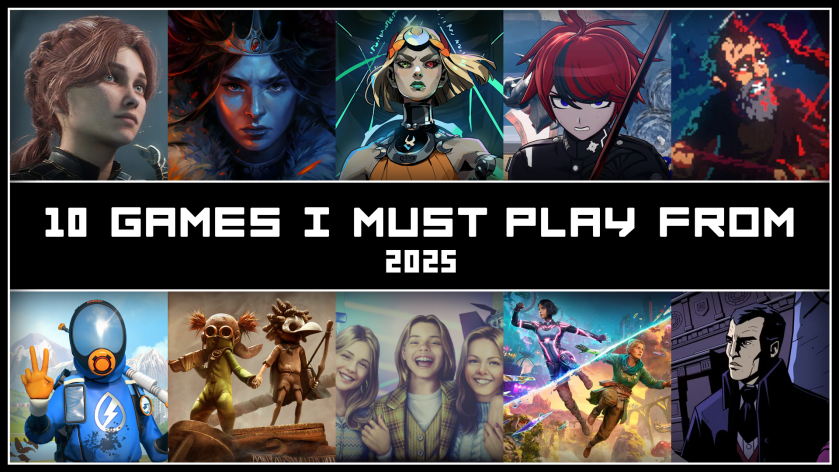
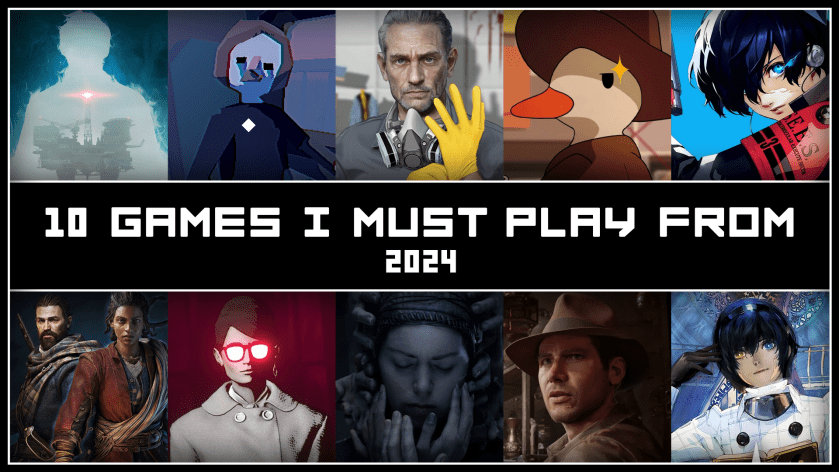
Here are some of those games that I absolutely must play.
This list is in release order, from the beginning of the year to the end!
Persona 3 Reload
Developer: ATLUS
Release Date: 2 February 2024
Dive into the Dark Hour and awaken the depths of your heart. Persona 3 Reload is a captivating reimagining of the genre-defining RPG, reborn for the modern era with cutting-edge graphics and gameplay.
To my knowledge, the only JRPG other than Pokemon that I have played and finished, is Persona 5. I have dabbled in the first hour of a couple of modern Final Fantasy games, but otherwise it is a genre that I have not embraced yet. When I did play Persona 5 though, I was enraptured. From the first hour or two I was drawn into the story, then hour by hour as the gameplay revealed itself, I was all in. By day, I was Noob. By night, I was Joker, Phantom Thief of Hearts, delivering justice and making the world a better place, one intervention at a time.
Once I finished P5 I saw that both Persona 3 & 4 were available to buy and play immediately, but I dug deep and resisted, knowing that I would most likely be once again consumed. Cue Persona 3 Reload – here to allow me to play the most modern version, and to tempt me all over again.
I am exceptionally curious to see how the game presents itself with any other storyline than the Phantom Thieves. One day.
You can buy Persona 3 Reload here.
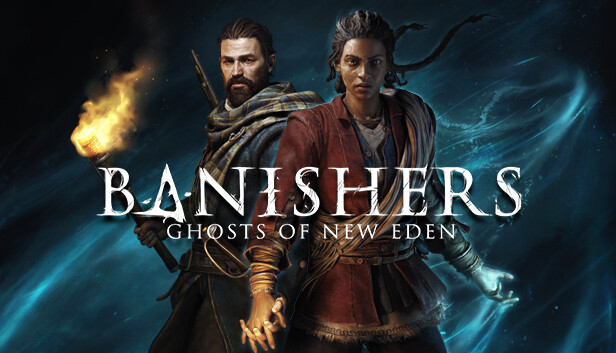
Banishers: Ghosts of New Eden
Developer: DON’T NOD
Release Date: 12 February 2024
Hunt ghosts as two memorable characters in a story-driven Action-RPG where your decisions carry dramatic consequences. Torn between honoring your oath to the living and saving your departed partner, how far will you go for love?
I don’t know a lot about Banishers: Ghosts of New Eden, except that I saw a trailer, liked what I saw, and filed it away as a game I would really like to play. Both before and after the game released, I haven’t seen much chatter around it and I am not sure why. Is it average and forgettable? Or was it just under the radar? Whenever I am presented with these questions my desire to find out for myself rises dramatically.
You can buy Banishers: Ghosts of New Eden here.
Lorelei and the Laser Eyes
Developer: Simogo
Release Date: 16 May 2024
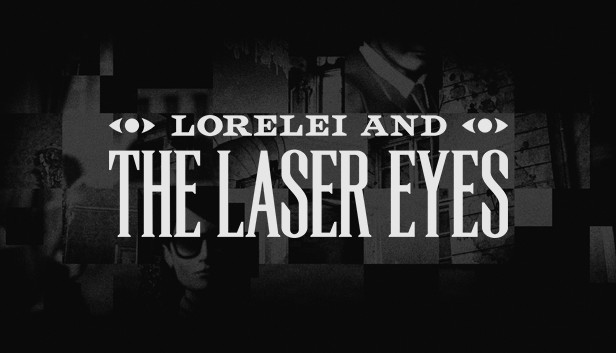
The stage is set. Imagine an old baroque manor, perhaps a hotel or a museum, somewhere in central Europe. A woman wanders in search of answers.
Classic Noob disclaimer: I get weirdly intimidated by puzzle games. Usually that is only confined to playing them as content. Whether that is the fear of showing myself up, of failing, of being judged, that is an entirely different conversation. So why does this game intimidate me? Even the idea of playing with 0 viewers makes me feel slightly unsure. Everything I have heard about Lorelei and the Laser Eyes sounds intriguing and great, but every part of me is sure that I am not going to get far with it.
I think one factor is a fear of the unknown. All I truly know about this game is that I have seen photographs of peoples notebooks during playing it. As far as I am aware it is a non-linear puzzle game, and that gives me flashbacks to how hard I dropped The Witness 4 hours in. Even the way that the visuals look so oppressive in their own, stylised way. Vibes work hard on me and I almost dropped Animal Well – one of my favourite games of the year – due to a spine chilling moment and gameplay section causing stress and terror. Will this game do that too?
Ultimately, it is my choice to avoid the answers to these questions because I know deep down I would like to find out for myself. And the most burning question of all… why laser eyes?
You can buy Lorelei and the Laser Eyes here.
Senua’s Saga: Hellblade II
Developer: Ninja Theory
Release Date: 21 May 2024
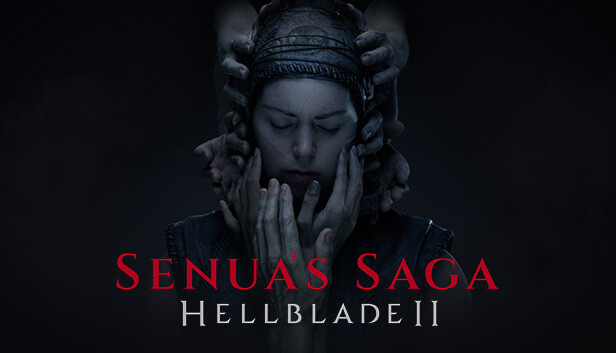
The sequel to the award winning Hellblade: Senua’s Sacrifice, Senua returns in a brutal journey of survival through the myth and torment of Viking Iceland. Intent on saving those who have fallen victim to the horrors of tyranny, Senua faces a battle of overcoming the darkness within and without.
This is another new game that I was aware was releasing that I have heard little to nothing about post launch. Hellblade: Senua’s Sacrifice is a very important game to me. I didn’t play it myself as I was way more nervous about potential horror back then, opting to watch a playthrough instead. Despite not being the one playing, the game left a huge impression. This is a game with huge themes of grief and it came to me at a time when I was heavily grieving myself, even inspiring me to take my own solo trip into the wilderness in an attempt at healing. This is the impact that I remember the first game for, before I even remember the fantastic audio design, the stunning visuals and haunting atmosphere. All of this to say, I am very fond of the first game, but was surprised when a sequel was announced.
I don’t crave another Hellblade game, but I have got to know where they went with it. Whether it brings disappointment, another extremely emotionally profound experience, or anything between, I feel ready to pick up the controller for myself this time.
You can buy Senua’s Saga: Hellblade II here.
Duck Detective: The Secret Salami
Developer: Happy Broccoli Games
Release Date: 23 May 2024
Solving crime is no walk in the pond. You are a down-on-his-luck detective who also happens to be a duck. Use your powers of de-duck-tion to inspect evidence, fill in the blanks, and bust the case wide open! This is a short but twisty detective case.
Duck Detective: The Secret Salami was one of my favorite demos of the year, of course I have to play this game. Deduction gameplay, mysteries, good jokes and phenomenal voice acting all within a bite-sized package sounds absolutely perfect for a Noob stream.
You can buy Duck Detective: The Secret Salami here.
Still Wakes the Deep
Developer: The Chinese Room
Release Date: 18 June 2024
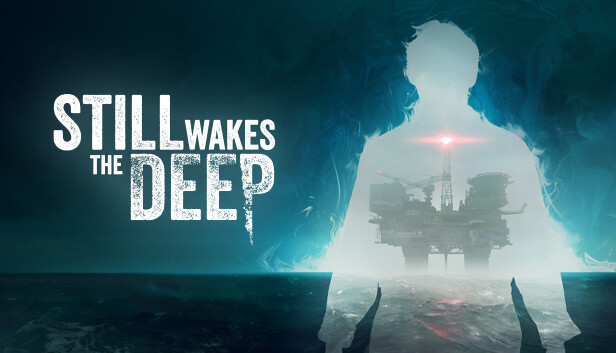
1975. Disaster strikes the Beira D oil rig off the coast of Scotland. Navigate the collapsing rig to save your crew from an otherworldly horror on the edge of all logic and reality.
I can’t put my finger on why I am so insistent that I want to Still Wakes the Deep. I have already mentioned my aversion to horror, but this one is drawing me in. The setting is certainly a factor. Not only is an oil rig the perfect isolated environment for whatever horrors lie ahead, but whenever a game is relatively local to me it immediately piques my interest. They really did have me with 2 words – North Sea.
Survival horror is too stressful for me, but I have lead myself to believe this is a more linear and straight forward experience, more akin to Soma than Alien Isolation. Hopefully I don’t get a rude awakening when I finally get to playing it but if so, I would 100% watch a Let’s Play instead as it seems very much up my alley.
You can buy Still Wakes the Deep here.
Crime Scene Cleaner
Developer: President Studio
Release Date: 14 August 2024
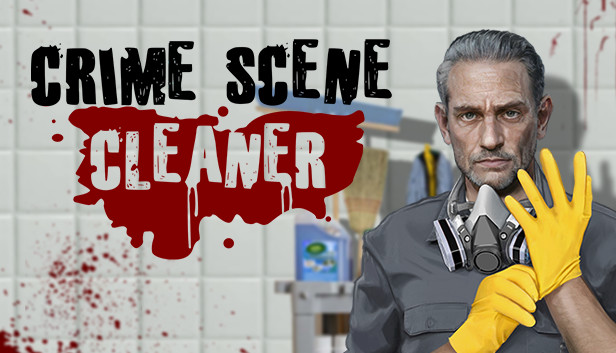
Once you get tangled with the mob, you will forever be a part of the mob. At least they pay a decent salary and all you have to do is clean up after their dirty work, but you know what you’re doing. So clean crime scenes, earn as much money as you can, and get ready for the next mission.
Another demo that I thoroughly enjoyed, Crime Scene Cleaner is a game that I would love to be my next House Flipper, Powerwash Sim, task based, hands busy, half a brain, podcast game. I went in with low expectations and came out with a game very high up on my wishlist. Something these types of games do is fun, subtle environmental storytelling and it is endlessly entertaining to me. I imagine I will be picking this one up next time that mood strikes.
You can read my impressions of the Crime Scene Cleaner demo here.
Grunn
Developer: Sokpop Collective, Tom van den Boogaart
Release Date: 4 October 2024
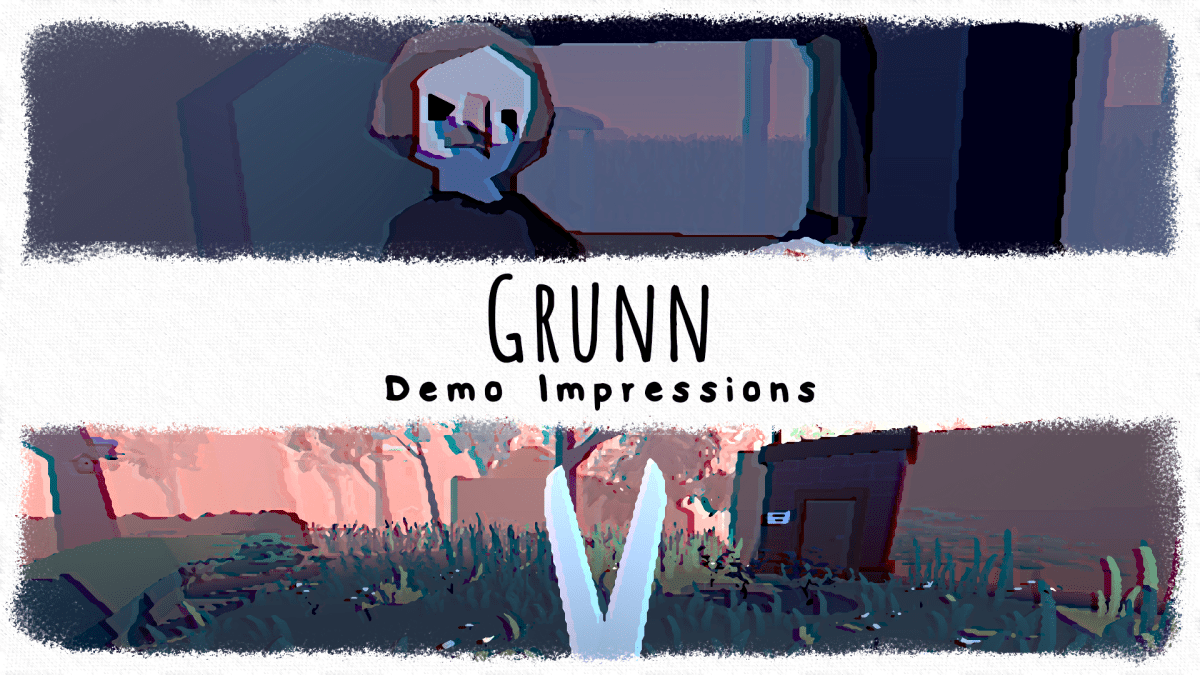
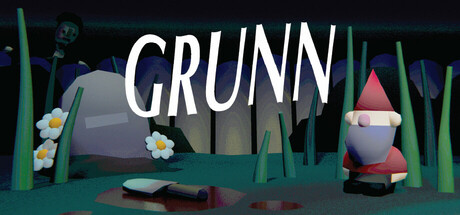
A gardener gets hired for maintenance work over the weekend. A simple task, but strangely some tools are missing… The owner of the garden isn’t around, and their house is off-limits. Perhaps new tools can be found in the mysterious town, or maybe some of the reserved townsfolk have seen them?
Grunn was a demo that I actually had to stop playing because I was seeing too much and I HAVE to play this on stream. Weird, wonderful, awful, hitting those task based feelings I mentioned above but mixing that up with what I can only describe as ‘right unsettling vibes’.
I imagine playing this on stream will be super fun, collaborating on ideas, chat being both the angels and devils on my shoulders at the same time. Noticing any changes will be an entertaining group effort and they might even give me the courage(?) to stay out at night.
You can read my impressions of the Grunn demo here.
Metaphor: ReFantazio
Developer: ATLUS
Release Date: 11 October 2024
The throne sits empty after the king’s assassination. With no heirs, the will of the late king decrees that the next monarch will be elected by the people, & thus begins your fight for the throne..
I felt the fomo HARD when Metaphor: ReFantazio released. I didn’t touch the demo as I knew already that I would want to play it. I haven’t played enough Persona to be sick of the high school setting yet (see the Persona 3 Reload entry above), but regardless of how you feel about real life monarchy, it makes an exciting prospect for fictional drama and I am so here for that idea alone. As the reviews released the fomo grew even more and I knew that this is something I am going to have to make time for eventually.
You can buy Metaphor: ReFantazio or play the demo here.
Indiana Jones and the Great Circle
Developer: MachineGames
Release Date: 9 December 2024
Uncover one of history’s greatest mysteries in a first-person, single-player adventure. The year is 1937, sinister forces are scouring the globe for the secret to an ancient power connected to the Great Circle, and only one person can stop them – Indiana Jones™.
I haven’t seen a single Indiana Jones film and I wasn’t particularly interested in playing this game. That is until the reviews came out of course. The more I heard about it, the more fun this game sounds.
I think a lot about Uncharted, and wonder if there are many others like me who enjoy adventurous shenanegans but really could not stomach another Uncharted game. After playing all 5, the formula becomes so glaring that it feels impossible to un see it. Everything I have heard about Indiana Jones and the Great Circle makes me feel hopeful that I can have these adventures again in a new and exciting format.
You can buy Indiana Jones and the Great Circle here.
As always, there are way more than 10 games that released this year that I would like to play. The top 10 got swapped around so many times this year, here are some others that I would also like to get around to some day.
- Balatro
- Botany Manor
- The Casting of Frank Stone
- Caves of Qud
- Clem
- Cryptmaster
- Dungeons of Hinterberg
- Ete
- Europa
- Hades II
- Indika
- Life is Strange: Double Exposure
- Little Kitty, Big City
- Phoenix Springs
- Rise of the Golden Idol
- Tales of Kenzara: Zau
- Times and Galaxy
Thanks 2024 for another stellar year of video games!
top 10 games i must play from other years
More end of year content
Sign up now to stay up to date with the latest posts!









































































































![A Noob’s [Mini] Review – Death Trick: Double Blind](https://ctrlaltnoob.com/wp-content/uploads/2024/06/death-trick-double-blind-review.png?w=840)




























![A Noob’s [Mini] Review – SOMA](https://ctrlaltnoob.com/wp-content/uploads/2023/04/moonlighter-soma.png?w=840)
![A Noob’s [Mini] Review – Return of the Obra Dinn](https://ctrlaltnoob.com/wp-content/uploads/2023/03/return-of-the-obra-dinn-review.png?w=840)


 CtrlAltNoob