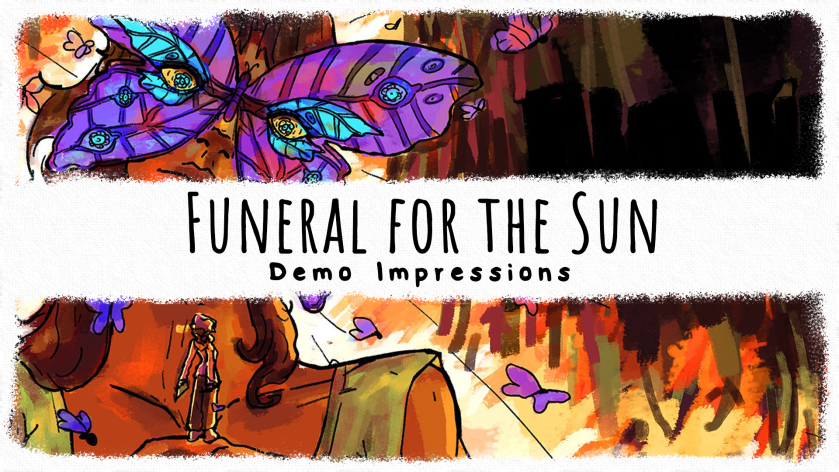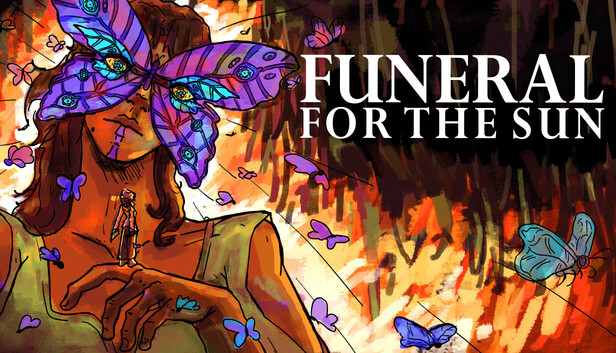
Search the ashes of an abandoned Latin American town and uncover 500 years of secrets. A non-linear mystery where you travel back in time and untangle the complex history of a community cursed by supernatural forces.
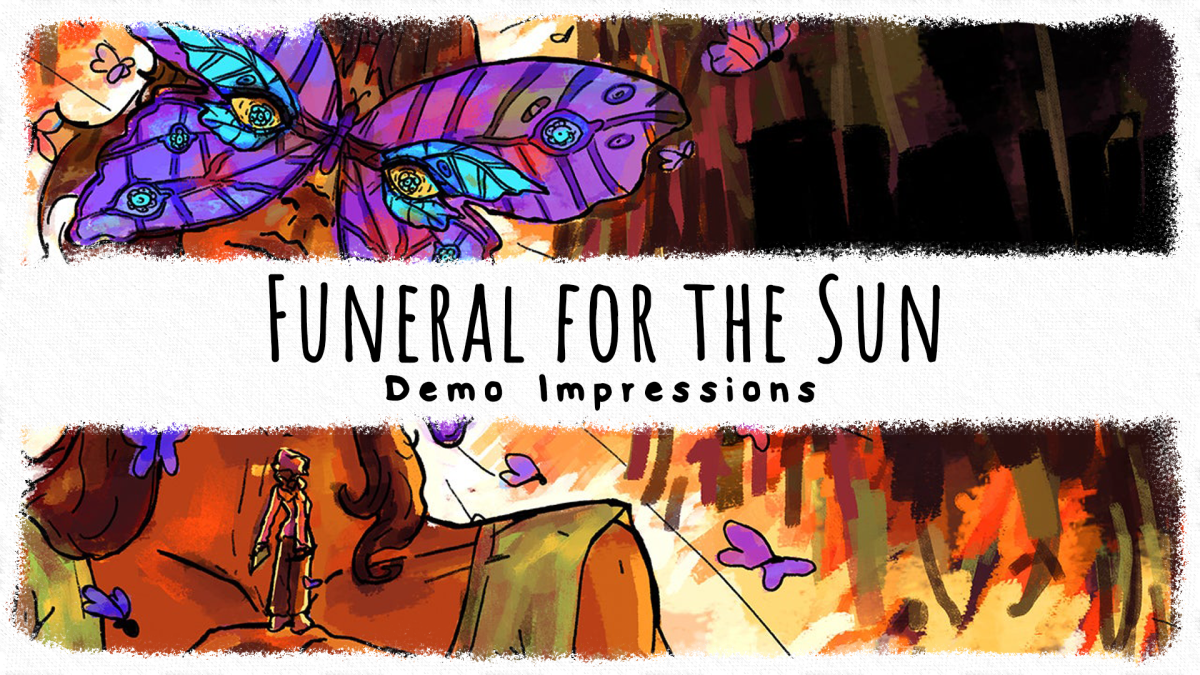
The final demo that I tried from the Thinky Direct 2026 was the demo for a game that I already had on my wishlist, Funeral for the Sun. We play as a historian on her attempt to unravel the past of a town doomed to flames and time.
Of all the games that I have tried that have evoked Return of the Obra Dinn in some way – my favourite game of all time might I add – Funeral for the Sun has come the closest to capturing that magic so far. Don’t get me wrong, Funeral for the Sun has its own soft, painterly art style, its own story to tell and its own unique way of telling it, but exploring the environments, discovering clues from the past and encountering the drama along the way is reminding me of the reasons that I like the genre. It is not only for the deduction of the logic puzzles – however smart that makes me feel when I have some success – but the story that unfolds along the way, the surprises, unexpected turns, and the oddities that provide another level of intrigue.
In less than 45 minutes I was given enough clues, enough fulfilment and enough strangeness to really want to continue beyond what is currently available. Exploring the same scenes in both the past and the present in order to fill out our journal, put names to faces and make the connections between them is an endlessly satisfying process, presented seamlessly. I will be keeping my eye on this one!
Demo Length – 30min-1hr At a glance + A satisfying deduction system + I have no idea where the story is going to go + Drama ramps up quickly + The way the past and present work together to present puzzles and solutions + The colour palette is evocative and art style recognisable – Only being able to save a limited amount of journal entries felt restricting
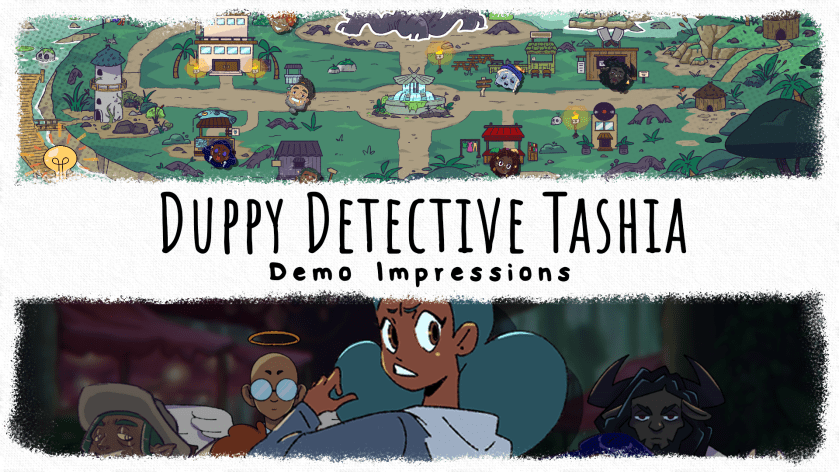
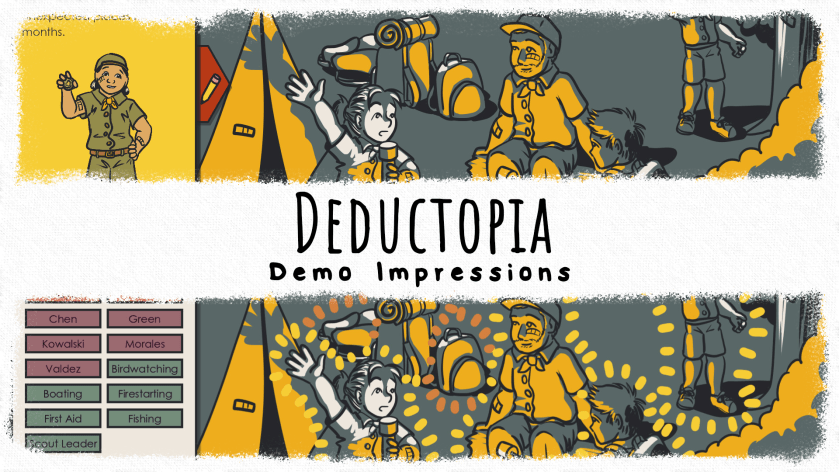
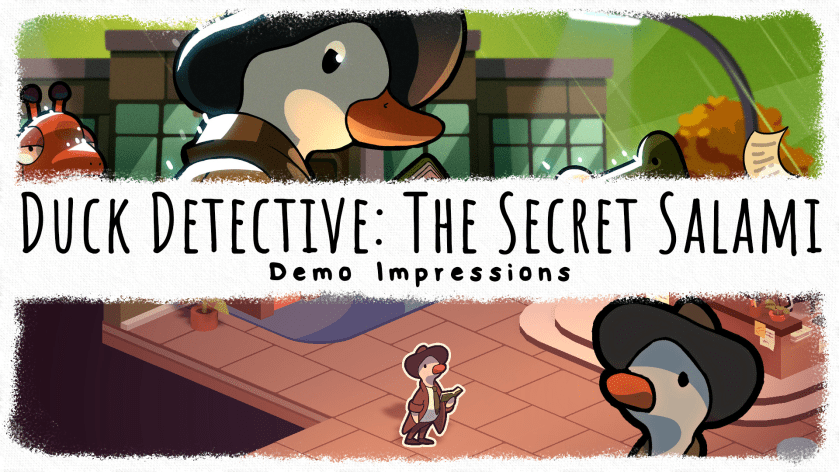
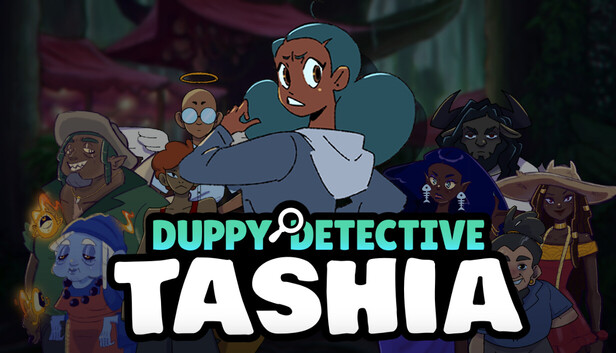
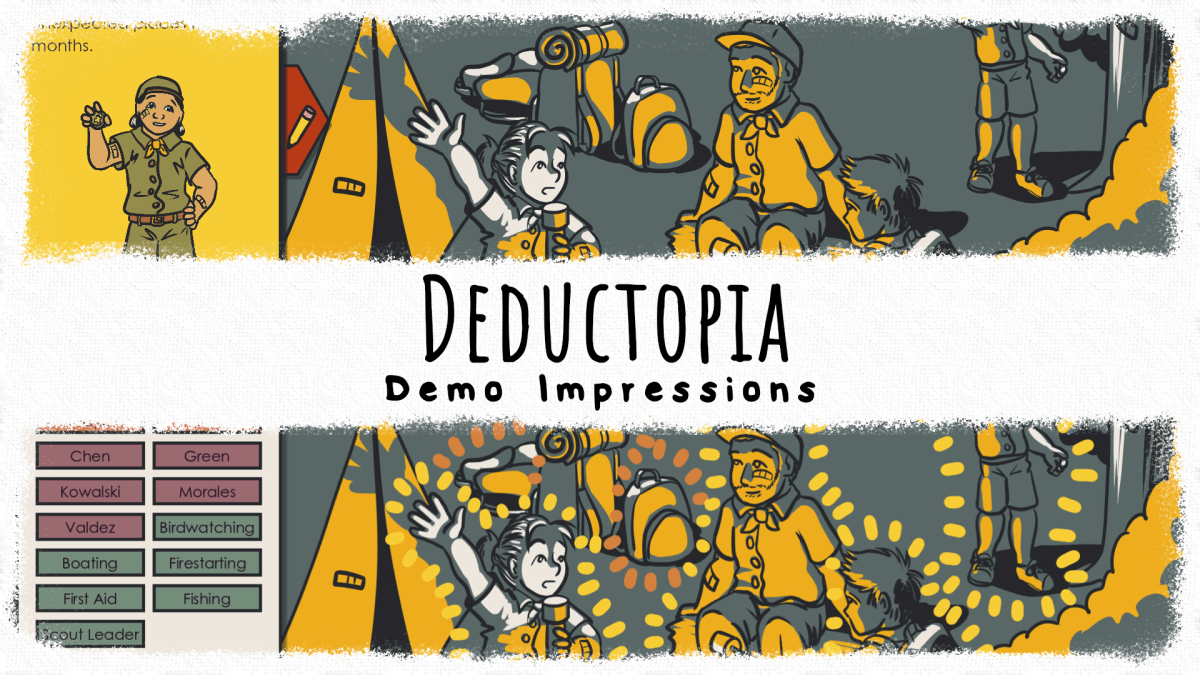
Explore the scenes, find clues, and sort out people, pets, and belongings in this cozy slice-of-life detective puzzle game. Fans of Duck Detective, Little Problems, and The Case of the Worst Day Ever will enjoy this new deduction game for all ages.
I have tried a lot of demos for Obra Dinn and Golden Idol likes (admittedly I still have yet to play Golden Idol beyond the demo), and Deductopia has been my favourite so far. It is a logic puzzle to its core and it did all of the right things. The UI is intuitive, the clues are just enough, and it pushes you in the deep end, giving that delicious initial overwhelm that unravels through exploration, turning ‘how the heck am I ever going to do this?’, to ‘if this is this then that must be that’, at a satisfying fast pace. It throws you in a scene, provides you with some questions, some clues and some solutions, and says, ‘have fun’.
Something that I really appreciate about Deductopia are the difficulty options. There is the option to experience these levels in two different ways. Easy mode checks your answers as you go, informing you if you are correct or potentially going down the wrong path. Hard mode waits until you have inputted all of your answers and deduced the entire scene to reveal whether you made any mistakes. Hard mode was exactly the kind of challenge that I am after. If you give me a way to brute force a puzzle I will, I just can’t resist it so for me, easy mode would have had me gaming the game rather than playing the game. I only bring this up because, while I am glad it exists for the folk that prefer to play that way, a lot of the reward of a deduction games for me is the dopamine flood I get when I get confirmation of my answers. From my experience so far, this is always 10x better when lots of information that you have been chipping away at all gets approved at once. These options allow me to flex whatever brain muscles that this works, while also providing reassurance that if I get stuck later down the line, I am not hung out to dry, easy mode will be there for me.
The demo offered 3 of 12 scenes to explore and solve. It took me 30 minutes total, so this is not going to be a long game. It does however seem like it is going to be an extremely satisfying version of what it is. Low stakes, sit down with a cuppa and a biscuit, and be the observation hero that everyone needs.
Demo Length – 30 mins At a glance + Difficulty settings + Thoughtful UI + A good ratio of clues:deduction so far +/- Trusts that the player doesn’t need handholding +/- Short
Stupid-smart puzzles. Genius, dumb fun. Clever all around.
Escape Academy 2: Back 2 School
Developer: Coin Crew Games
Release Date: To be announced
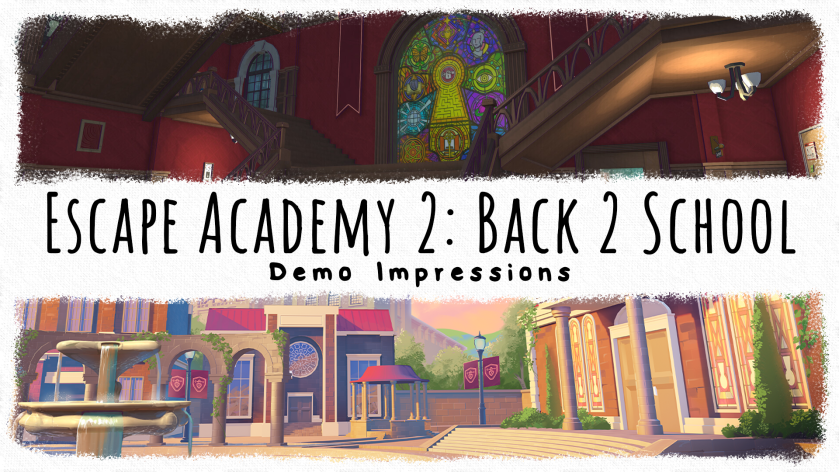
Class is (back) in session with Escape Academy 2: Back 2 School! Get a first look at next year’s curriculum with this new playable demo. Escape from a death-defying introductory puzzle course, kick it with new and familiar faces on campus, and enjoy a sneak peek at our brand new quest system!
There is something to be said for frantically zooming around a scene, on the clock, clicking on every little thing to help find your puzzle solutions and at least 50% of the time being provided with a pun instead. Whether the jokes land or not doesn’t matter, it is a delightful experience and surprisingly enough, the majority of them do.
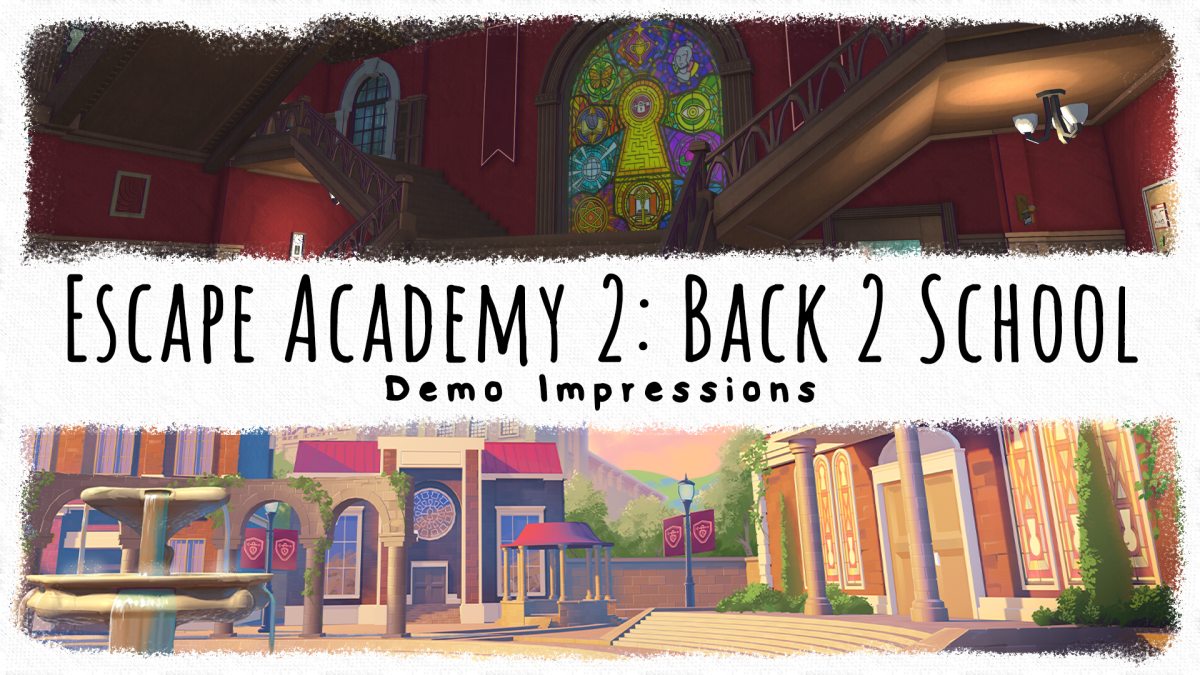
Escape Academy 2: Back 2 School is the upcoming sequel of Escape Academy, where you are student at Escape Academy, learning to… well, escape. The pressure is high and the consequences for failure can be deadly, but that is just another day at the prestigious school. The entire premise and the writing alongside it are the dumbest of fun and I couldn’t have more affection for it. The sequel feels like an expansion of the formula of the first game in the most exciting way.
The writing is fun, the vibes are peak, and the gameplay is equally strong. There are themed escape rooms galore and the demo gave a wonderful and substantial taste of the variety ahead. Between main puzzles there are optional side puzzles, an abundance of your peers to chat to with the best – and worst – names, and an ever expanding environment to explore as you prove your capability by not dying in class.
I am usually allergic to rushing, in games and in real life, but in the case of Escape Academy 2: Back 2 School, I do recommend choosing the timed option, providing you are at least a semi seasoned escape roomist. The urgency adds a lot to the atmosphere of the game and so far I had enough time for every puzzle while also thoroughly exploring every nook and cranny of the room. You will never know whether a one liner will be worth the 10 seconds of your precious time until after you have read it, and that was a gamble that was always entertaining to take. If you prefer though, you can turn the clock off and take the game at your own pace.
Everything feels so serious and yet so light-hearted simultaneously. You will solve a puzzle so intelligently to be greeted by the dumbest joke. The puzzle itself may be a dumb joke. That is what sets this game above so many other puzzle games for me, and why I recommend it so highly. Despite the silliness, I even had to pull out a note book a couple of times! There are local and online co-op options available too.
Demo Length – 1-2 hours At a glance + Engaging puzzles + Abundant jokes and amusing writing + An improvement of an already great game in the way that great sequels are + New open world providing more opportunities for laughs and brain scratchers + Substantial demo really shows what you are getting into + Snappy pacing + Difficulty options
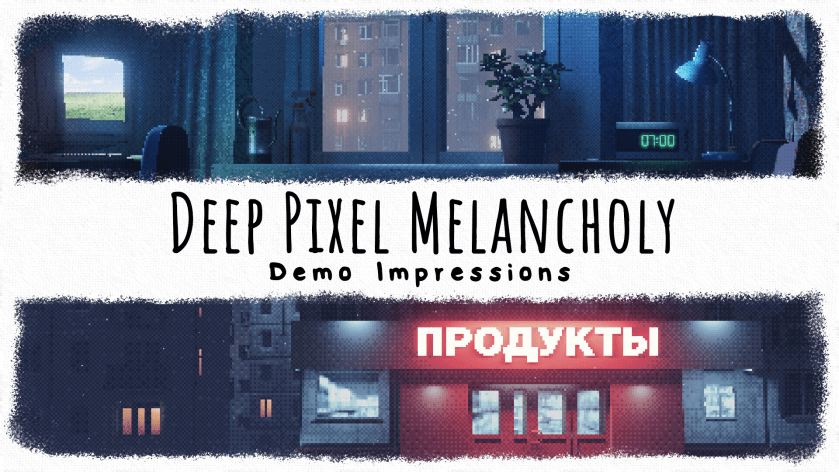
Deep Pixel Melancholy is a visual novel about being stuck in a time loop inside a far northern city. Unravel the mystery, and decide whether escaping is really worth it.
A unique Visual Novel demo that works on every level for me!
I realised as I was gathering my thoughts that I wanted to describe what I have played of Deep Pixel Melancholy as dystopic. When I pondered on that for only a few seconds, I realised that actually, there is nothing dystopic about it. The game is just portraying everyday life for millions of people on the planet. We go to the job that we don’t want to go to to pay the bills that we have to pay to survive, while worrying about losing the job that we don’t even want in the first place, because we need it to survive. Of course this isn’t the case for everyone in the world. If you don’t relate on some level then I am genuinely so happy for you, but it is undeniable that this is a universal experience across countries and continents for many, and a sad but real part of the human experience.
A concern that I often have trying games with these kind of themes and atmosphere is that there is a thin line between bleak, and straight up, for lack of a better term, misery porn. Sometimes this kind of fiction, depending on the way it is written, makes me want to put it down immediately and play something else. But Deep Pixel Melancholy so far runs the line perfectly. I related to my characters thoughts, feelings and actions without ever feeling irritated or ever getting that ‘too real’ feeling that makes me run away.
The pacing and prose make the story easily digestible. I am grateful for the bite-size, snappy sentances when dealing not only with a heavy world but a heavy mind. The game is written with present tense narration, guiding you as the player on what to do next, which you do by clicking on the stylised scene that you are in. You can also explore the scenes via descriptions and observations that you hover over. Each day they build on another which is another way that the game immersed me quickly. It is a subtle but true fact that my thoughts, even on a particular object, change each day depending on all sorts of internal and external factors and I loved seeing that represented.
Deep Pixel Melancholy has a gorgeously cohesive style, it presents just enough of a mystery to get its hooks in, and it has a relatable realness that I couldn’t help but want to see more. An immediate wishlist for me!
Demo Length – <1 hour At a glance + Bleak but not overwhelming + Intriguing mystery + Unique visuals + Interactions feel more diegetic than a standard VN
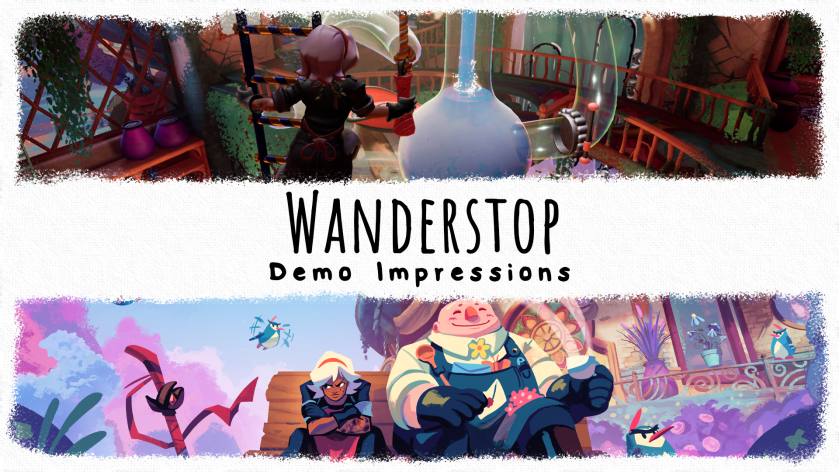
From the creator of The Stanley Parable and The Beginner’s Guide comes Wanderstop, a narrative-centric cozy game about change and tea.
We live in an era of hustle culture that glorifies work over wellbeing. We are encouraged to put everything we have into everything we do. If we don’t achieve our goals, we must not have worked hard enough. If we managed to take breaks or have fun along the way, did we really work hard enough? Of course, not everyone actually believes this, but we certainly all have met people who do, and based on the reception to this game by both critics and gamers alike, I would say a lot of us have internalised this mindset somewhat, whether we want to have, agree with it, care to admit it, or not.
Wanderstop challenges this mindset in a way that only a game really could.
These are demo impressions only, so I have yet to experience any of the story beyond the intro, but this small taster had a big enough impact that it felt really important to sum up my experience.
So far, Wanderstop is a commentary on passion and obsession. Where is the line between those things and if we are walking it, would we even realise it? Say we do take a step back and recognise, “Yes. I have a passion about something (in our main character Alta’s case, it is fighting). I am so passionate that I am going to chase this dream, idea, goal, or whatever it may be. I am going to chase it so completely that no one could possibly question my passion.” Wanderstop asks the question, “at what cost?”
We meet Boro, the most gentle, content soul, and the game asks another question. “Are you ok?”. Then, gives you all the time you need – probably more time than you would usually give yourself – to ponder it.
As someone who is prone to going all in on things and has burnt myself out multiple times before, every cutscene and conversation in this demo had an impact that I did not anticipate would hit me so hard. Personally, I am at a time in my life, I’d say a little further on than Alta is currently, where I have started to recognise the need for – and desire – balance. The moment I met Boro, his energy felt like the end goal for me. While Alta is wrecking herself, living her life with one goal in mind, desperatly clutching at one potential outcome and tormenting herself for falling short of an almost impossible goal, Boro is living in the moment, enjoying the journey, the here and the now. Alta, and I can confidently say a lot of us too, could do with taking a leaf or two out of Boro’s book (or tea… hehe).
Perhaps, feeling a longing for a Boro to find you and give you this opportunity the way that I did is an indicator that you yourself should take some time to reflect, to have no schedule, and to be. Whether that is through getting out in nature, a duvet day, doing absolutely nothing, or through making tea in Wanderstop, that is up to you – although I’d say Wanderstop is a good place to start.
The action of playing this game forces the player to do the very thing the narrative is encouraging. Slow down. Potter around. Make some tea. No rush. No worries. This is our time. Rather than just telling you that you should do these things in a way that you have likely heard 100 times before, Wanderstop teaches you through showing and doing. This, along with some beautiful artwork, voice work and dialogue, is the reason this game stands out to me among a sea of cozy games, and I am really pleased to have it accompany me during my LudoNarraCon 2025 coverage. I am thrilled by the prospect of taking a break from my other IRL projects to go all in on game content for the month, but I am going to keep Wanderstop going on the side, reminding me to take a break and check in with myself every so often. And I am rooting for Alta to do the same.
Demo Length – 1+ hour At a glance + Writing – both conceptually and dialogue. + Beautiful cutscenes. + Heavy hitting package, relatable to many. + Meta in a way that only a game can be. + Voice acting is great. + Boro is precious. + Alta is imperfect in a very real way + Themes of tunnel vision, failure, sacrifice, exhaustion, burnout and the consequences of that have already been explored in the first hour. +/- I am anxious to see where the story goes and whether it continues to resonate. +/- I am also anxious to get further into the gameplay, to see whether it is therapeutic, or becomes tedious, boring or repetative.
Watch my playthrough and first impressions of the Wanderstop demo here!
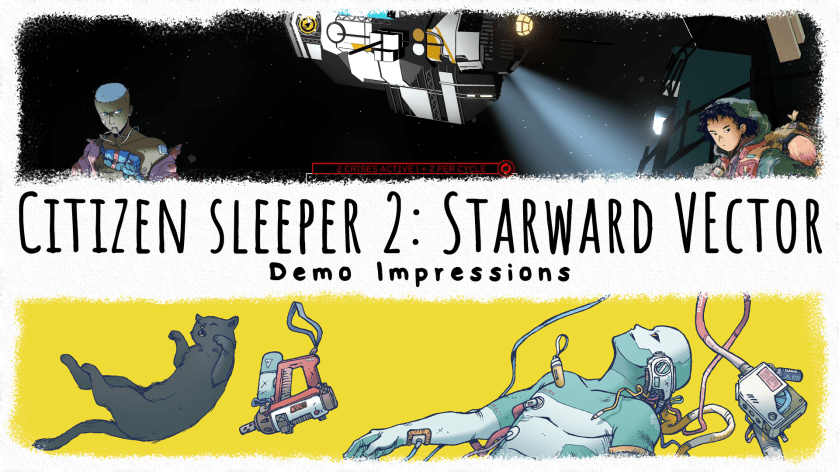
A dice-driven RPG, in a human and heartfelt sci-fi world. You are an escaped android, with a malfunctioning body, a price on your head and no memory of your past. Get a ship, find a crew, and take on contracts while you navigate across the Starward Belt.
The Citizen Sleeper 2 demo throws you straight into the narrative. We are a sleeper. We are disoriented and lost as we come to our senses in an unfamiliar situation. The eloquent introductory scenareo does a great job of filling you in if you have yet to play the original, while not lingering too long for those that are already acquainted with the fiction. The ever familiar UI and soundscape provide comfort to me as a player as I get to know a new individual in an entirely new scenareo. We are no longer confined to the Eye, and based on what I have played so far, I cannot wait to see the stories that are yet to be told throughout the rest of space.
Citizen Sleeper is a Narrative RPG in which we use dice rolls to determine and distribute our actions. As is the case in Citizen Sleeper, your character has stats to give an advantage to certain types of tasks over others based on your strengths. Building these up over time as you gain experience in the world is just one of the mechanics in play in this management style, choices matter story.
What strikes me about the sequal so far during my 2 hours with it is that while a lot of the tone is synonymous with the first, there is a subtle change that has huge implications in both the gameplay and the narrative experience. We have a crew. In the first game we met plenty of people, got to know them, relied on them, even grew to love some of them, but deep down, it was a wholly solitary experience. For me at least, it felt deliberate as we go through the personal struggle of acceptance of what/who we are. People can help us along the way but that journey has to be ours and ours alone. I went to sleep alone at night, and I made my decisions based on what was best for me as survival had to be my number one priority. The small shift of having a crew is going to ripple out not only into my decisions, but into my way of thinking, and that is an exciting proposition.
Another impactful mechanic added to 2 is the contract system, changing up the day to day gameplay. If you are not currently on a contract, you are probably going to want to stock up for the next one as these multi-day jobs take you away from any bustle, to focus solely on the hustle. This new system is sure to complement our nomadic lifestyle, but presents its own challenges in resource management, risk reward and possibly even crew relations. I can tell you that my first contract absolutely did not go as I intended.
The writing is just as engaging as the first and with the universe at our fingertips, the possibilities feel endless. And with the recent announcement of a January 31st release date, we don’t have long to wait.
Demo Length – 2 hours At a glance + Meaningful changes from the first game. + A comfortable familiarity with the general structure and UI. + Choices matter, even during contracts. + Time pressure still feels weighty. + The addition of crew stress adds more plates to spin in an interesting way. + Writing and design remain stand out. +/- Looking forward to seeing the rest of the structure of the game.
A relaxing puzzle game where you recreate towns from people’s memories. These people will give you written puzzles and to solve them you’ll be able to either modify the buildings or use different tools, such as one that makes wind, and many others. Each puzzle will surprise you in a different way.
Townframe is an incredibly lo-fi, chill game that allows you to solve the puzzles of friendly folks hometowns or favourite locations based on the clues that they share with you. You begin with a landscape acting as your canvas. It is your job to recreate their memories by placing the correct buildings or objects in the correct places, allowing a nostalgic glimpse into their past.
The game couldn’t be simpler to pick up, offering a point and click interface. There is no need for any extended tutorials as the game is self explanatory and the UI is as clear as it is pleasing. The soothing music is complemented by the pastel colour palette. It is bright but never harsh maintaining the soft, airy aesthetic throughout.
This not going to be a long game. The demo included 8 puzzles which took 15 minutes to complete, with no indication of how much more complexity to expect. For now, it feels like it is going to be a lovely, short puzzle game for a rainy day or for winding down for bed. I am thoroughly charmed and wish all of the best for the release!
Demo Length – 15 Mins At a glance + The colour palette. + The vibes are perfectly relaxing and nostalgic. + The UI is clean and clear. + Easy to pick up and play. +/- Total playtime will be 2-3 hours. +/- Puzzles in demo were very simple.
Developer: Sokpop Collective, Tom van den Boogaart
Release Date: 4 October 2024
A gardener gets hired for maintenance work over the weekend. A simple task, but strangely some tools are missing…The owner of the garden isn’t around, and their house is off-limits. Perhaps new tools can be found in the mysterious town, or maybe some of the reserved townsfolk have seen them?
Grunn mixes together a type of game that I love with a type of game that I hate. Together, they become a genius concoction that I absolutely don’t want to play despite REALLY wanting to play. Let me explain.
I love a task simulator. Give me games like Powerwash Sim, House Flipper or similar and I can play them all day, getting myself into that hyper fixated state of ‘just one more task’. The entire idea of this genre – in my opinion – is to allow for a flow state, zoning out of your everyday life, keeping your hands busy and your dopamine bar full. No thinking, only doing. As soon as I begun cutting the grass in this slightly overgrown garden I instantly fell into this zone, my safe zone, forgetting any uncanny feelings I may have had prior. What a perfect zone to get someone in before intruding, pulling the rug and making their hair stand on edge.
In Grunn, we are hired to do some gardening. We are left some instructions, a deadline, and that is all you get as you are let loose into this sandbox of oddities. I am not going to spoil in which way this is a horror game, you will have to play yourself for that, but I will say that at one point I did squeal. Once you notice something strange, you may notice something else, until the things you are noticing are probably nothing at all. Or.. If you are like me you will just get on with the job you were hired to do, happily snip-snip-snipping away without a care in the world. Once you realise, however, that things don’t quite seem ordinary, the dread creeps in and the real game begins.
You have been placed into a playground and the world is yours to explore, experiment and tidy up.. or not. Every action you take, object you find or information you obtain will lead you to the next, adding to your knowledge banks ready to take action somewhere down the line. The game takes place with a running clock, which means you only have limited time to do what you need to do, and there is far more to do than you could achieve before the deadline. The time pressure looms as you make your choice on what you pursue. I recommend a notebook as you find yourself zipping around, following clues without context and discover leads that you may want to follow up on.
I found the games unique aesthetic to be a little jarring at first. The generally soft colour palette draws you into the initial ‘cozy’ atmosphere, but it never feels perfect as what can only be described as a surreal wobble obfuscates your environment. This can be turned off in the settings but I quickly got used to it, preferring to keep it on as a scapegoat for any potential peripheral movement that should not be, that I would rather deny happened.
The demo contains 5 endings, with the full game presumably adding many more. In my playtime I found 2, neither of which being the true ending of the demo. While I had ideas of more things to try, I decided to wait for the full game to puzzle it out. Maybe then, I will finally dare to stay out after dark.
If you enjoy weird and wonderful, subversions and curiosity, I recommend giving this one a go. Something is going on here, and it is NOT wholesome.
Demo Length – 1+ Hours At a glance + All in on the surreal aesthetic that can so easily turn creepy. + Tasks feel good to do and complete. + Freedom/No handholding. + So weird. + Multiple endings feel achievable in a game this length and densely packed. + Non-traditional puzzle game. + Contrasts cozy ideas with less cozy moments.
Slow is smooth. Smooth is fast. Fast is panic. Oops, let me repair that for you. Repeat.
Uncle Chop’s Rocket Shop
Developer: Beard Envy
Release Date: November 2024
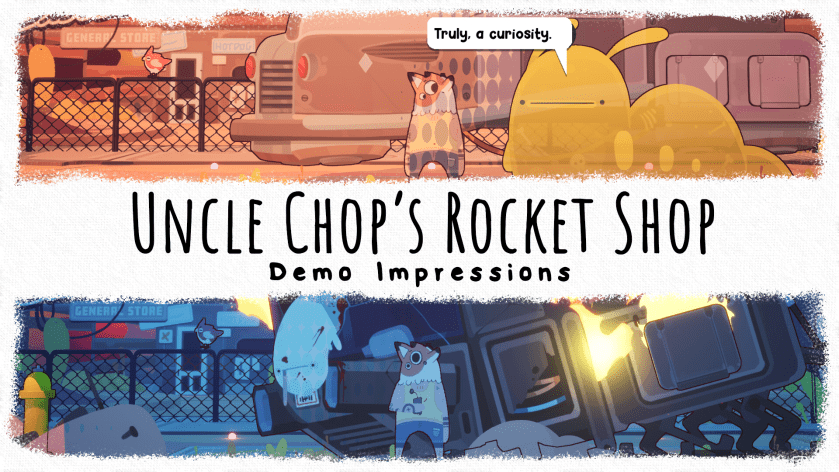
Come on down to Uncle Chop’s Rocket Shop, for all your roguelite spaceship repair simulation needs!
WARNING: Untested genre not suitable for people with tentacles for arms or an aversion to dying horrifically. Side effects include improved reading comprehension under pressure and a furry fetish.
Uncle Chop’s Rocket Shop is a roguelite puzzle game that is built around minigames. We have been soulbound tasked to run the local Rocket Shop, and not only do passers by need their ships fixing to the highest standard for you know, safety, we have rent to pay and the better job we do, the more sweet sweet space cash we earn.
This is a game about problem solving, following instructions and being strategic where it matters. In focused mode you can take your time, meticulously getting to know the machines you are repairing and the components within. In frantic mode, the more jobs that you get done within a certain timeframe, the more money you earn. Personally, I enjoyed the idea of frantic mode, feeling reminiscent of games like Among Us, Tin Can, Keep Talking and No One Explodes and Papers, Please. However, for me, focused mode was the way to go, feeling more akin to House Flipper or a building flat pack furniture situation, allowing me to take my time, dig deep into the detailed and amusing instruction manual, and still somehow manage to do something wrong.
Not only does the gameplay have a high concentration yet flow state inducing element to it, the entire design is great. Everything is simple enough and clear to read, while also being very distinct and colourful. Everything you click on is responsive and makes visual changes that communicate to the player clearly. The design of the different aliens arriving at the shop and the vehicles in tow are creative and fun, the dialogue is funny, the random events that occur always made me smirk and I continued to be surprised at the new things occurring each run.
The game has run based progression that is erased when you die/lose, as well as a classic meta progression system that ticks over with you onto your next run. Dialogue and scenareos are slightly altered each run, adding more elements and allowing forward momentum as you get more familiar with the loop. It is the type of game where familiarity is going to help you improve equally as much as the upgrades.
The attention to detail is fantastic, the game play is silky smooth and my time with the demo was an absolute joy. I am going to be keeping an eye on this one for sure.
Demo Length – 2+ Hours At a glance + High concentration yet flow state gameplay. + Funny. + Polished. + Two key options for gameplay offer different experiences. + Keeps on giving. + The roguelite aspects feel seamless.
Resisting the urge to buy a trailer and a bunch of books irl as we speak.
Tiny Bookshop
Developer: Neoludic games
Release Date: To be announced
Leave everything behind and open a tiny bookshop by the sea in this cozy narrative management game. Stock your tiny bookshop with different books and items, set up shop in scenic locations, and run your cozy second-hand bookshop while getting to know the locals.
Tiny Bookshop is a cozy management sim about running your own portable bookshop from a trailer on the back of your car. I can’t express how pleased I was that the peaceful atmosphere was complimented by engaging systems, allowing me to live a fantasy that I never knew I had.
The game is not heavy on the management systems, or at least not from my time in the demo. This, in my opinion, is a good choice, allowing the player to fully absorb into the relaxing vibes. I didn’t feel the need to min-max everything, optimising my shelves in an attempt to wring my customers dry. Instead, experimentation felt key in these early stages.
On a daily basis you are able to manage your inventory, decor and location in order to sell as many books as you can in the most aethetically pleasing way posible. The books that you place on your shelves determine the chance that a customer will find a book that they like in the given genre they are looking for. If they successfully find one, they will continue looking, picking up books until they find no more that they like. While this is of course RNG, it feels so clever and realistic to the shopping experience. Sometimes you will go into a shop with something in mind and nothing speaks to you, or sometimes, you will find way more than you expected. Throughout the day as your shelves get depleted, it will naturally be less likely that your customer will find the book that they are after, but there is still always a chance.
Although it is RNG, we can affect the outcome somewhat with the choices we make and it still feels very nice when you succeed. In my case, one lady picked up 10 books. That was 10 coin flips in a row, except luckier as the 50% chance got lower every single purchase.
If the pleasing aethetic and breezy management wasn’t enough, there are more mechanics to the game. Visiting different locations is essential to build up your knowledge of the area. Meeting people will give you leads on new areas and events in the town. Reading the paper will allow you to buy more books as your stock runs dry, as well as decorations. I love the inclusion of the paper, not only as it narratively makes a lot of sense but it is also, on purpose or not, makes the game even more ‘feel good’ by being an eco-friendly business.
Finally, every book you have on your shelf is an actual book, written in real life. Chances are, you have read some of them. One fun way that the game plays with this is that throughout the day, customers will ask you for recommendations. They will tell you a genre, mood, preference, or specific things that they want or don’t want from a book. Then, it is up to you to scour your shelves, reading the descriptions to find a good match. Of course once you sell the book it is gone, so if you think that you have the perfect match for some one, you ought to hope no one has snatched it up in the meantime.
I went into the Tiny Bookshop demo expecting a pleasant way to pass half an hour but I got a lot more than I expected. It is an instant wishlist from me while I look up the price of trailers and have a peak at Facebook Market Place for book bundles, contemplating a pivot to a travelling librarian.
Demo Length – 30 mins At a glance + More to this game than I expected, while not being too complicated. + Aesthetically pleasing. + Lo-fi vibes. + Especially fun for book lovers. + Recycling. + Bookshop fashion.