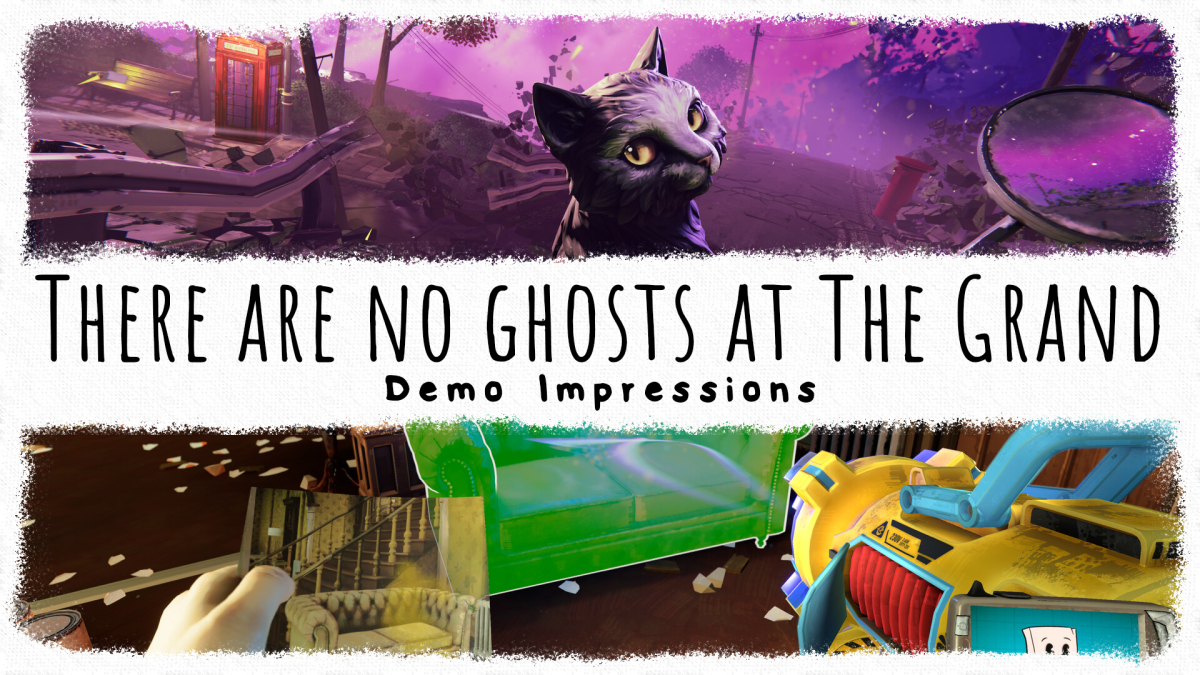
Inherit a crumbling English hotel and restore it by day—while battling ghosts by night. With a sardonic cat, a talking power tool, and a twisting supernatural plot, this is a musical mystery unlike any other. Will you be able to hold it together while everything around you falls apart?
I often like to start these posts by explaining a little bit about what the game is that I am writing about. What actually is There Are No Ghosts at the Grand…? It is a British renovation, mystery, drama, comedy, light acid trip of a musical, where you have inherited a hotel in a dying town where there are definitely no ghosts. I don’t know how else to describe it really…
During my time with the demo, it didn’t take long for the dialogue to endear me as our trusty tool gun won me over, guiding us through the quick tutorial of renovating one of the rooms of The Grand. As you are getting close being done, you are whisked away into other segments of gameplay, meeting characters, driving around a strikingly British town, a musical number and an amusing situation, all the while getting to use your renovation tools in so many pleasing and unexpected ways. Some segments gave the cadence of a puzzle game but every solution was very clearly signposted, making the experience feel more akin to a walking sim to me than anything else.
The demo is very on the rails and while there is a whirlwind of mechanics during the short runtime, and I am unsure whether the game will ever open up to give the players more freedom, or whether it is a strictly linear experience. Either way, there are ways to make your own mark on the game, decisions to make and I feel like there is no way you won’t have some amount of fun with it. My PC did struggle a little with running the game smoothly but I am reluctant to talk too much about performance as my set up is ageing and due for some upgrades.
Ultimately, the whole package made me smile throughout, sometimes through the humour and sometimes through the potential of the rest of the game to come. I have no idea whether we will be renovating the whole hotel, the whole town, the proportion of mystery solving to other tasks, the freedom we may or may not be awarded or the impact of our decisions, but I am keen enough to find out. I can’t say I have played another demo like it, fearless in its design and unapologetic about what it is.
Demo Length – <60 mins At a glance + A unique experience + The humour hit for me + Creative use of tools + The town was so distinctly British just from a quick drive through + Quirky characters +/- On the rails +/- It remains to be seen whether the variety adds or detracts from the experience – Puzzle solutions were quest markers with objective telling you exactly what to do
A unique form of narrative puzzle in an uneasy package.
Am I Nima
Developer: HO! Games
Release Date: 8 October 2026
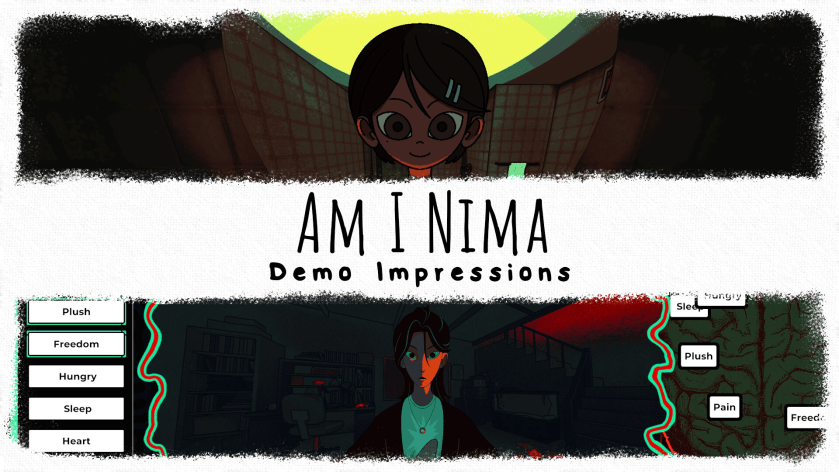
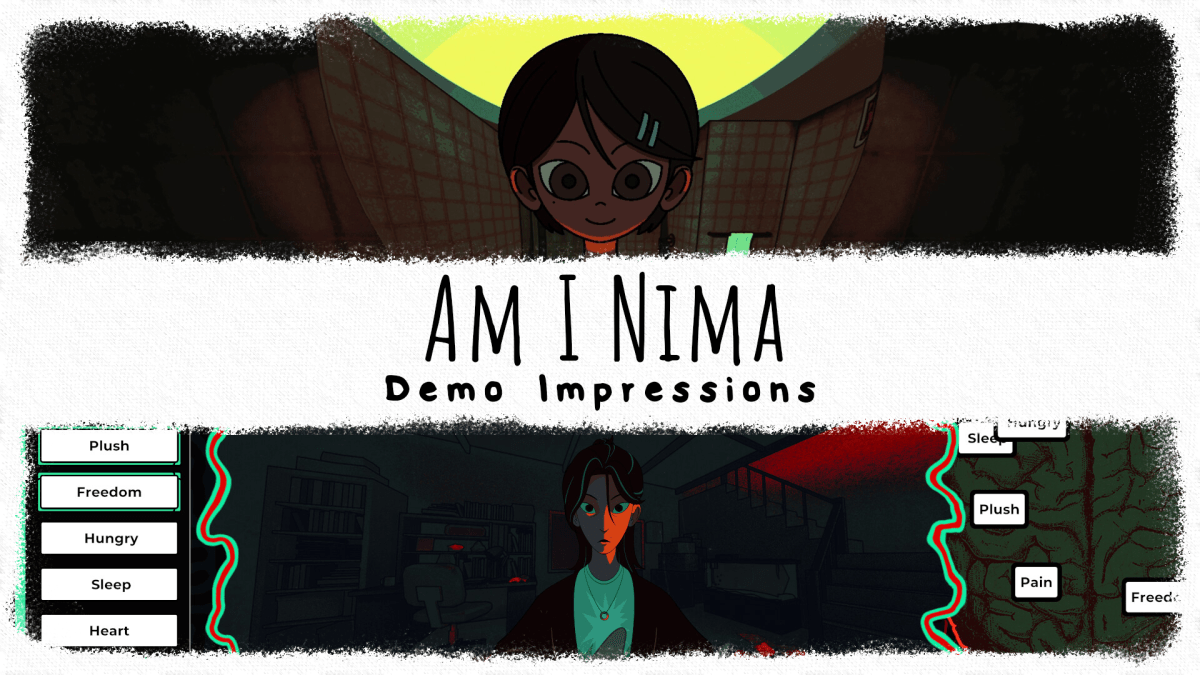
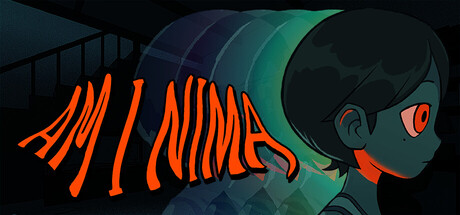
Am I Nima is a psychological-horror game where you must convince your mom that you really are her daughter. Combine words together in your brain and use them to talk. Get her to trust you.
In the Am I Nima demo, you wake up tied to a chair with a stranger looming over you and no idea what is going on. The lingering discomfort of the unknown and well executed creepiness of the environment and interactions keep you consistantly uneasy through the entire duration, with the mystery unravelling – or deepening? – as you discover new thoughts.
This game feels like a fantastic innovation of Doodle God/Alchemy style games, where you combine elements to create new elements, and combine those with the new and old elements to create more. While those games are all about finding the next thing for discoveries sake, Am I Nima has a narrative reason for doing so. The screen is split and the top right corner is dedicated to Nimas brain. In there, you will receive words. These are thoughts based on the conversation taking place, or findings as you explore the room. Within the brain, you can combine words to create different words. This, in my opinion, is such cool way of delivering a story.
The words that you combine are telling, when you take the time remember that they are thoughts. Combining Nima and Dad results in grief, which must be the feeling that Nima gets when she thinks about her dad. Due to this, I know something happened. I have contextless pieces of information that allow my imagination to fill in the gaps, and the curiosity to fuel my incessant pairing of words. I can continue combining to find more contextless clues, knowing that at least some of the context will be revealed by the rest of the game as we go. It feels like the equivalent of environmental storytelling but baked directly into the gameplay and mechanics. I feel rewarded for being observant, even though it hasn’t really got me anywhere yet.
Then there is the other half of the game. You are conversing with a woman who appears to be your Mom. As she talks, asks you questions and allows you to ask questions, you can reply using the words that you have stored in your brain by dragging them down to the active conversation. I am unsure how far you can go with using any word at any time (I did unlock a lot of words but I only played the demo once so I only got to see what I chose in the first instance), but it certainly feels like you need to be careful with your choices, to get the information that you need without putting yourself in danger.
The demo allowed for a lot of word gathering but I don’t feel like I have a good grasp on how the rest of the game will go/present itself, and how I will get to use the words that I have conjured. But it did feel like a promise of an interesting experience that I would be keen to continue, especially given the intrigue of story hook we are left on.
Demo Length – 40 mins At a glance + Uneasy vibes are on point + Freedom to experiment + Intriguing mystery off the bat + I feel rewarded for finding new words because not only do they present the opportunity to find more words, but they have narrative relevance. +/- I have no idea how linear the game actually is or really the gameplay loop beyond the conversations in the demo.
Step aside logic puzzles, there is a new contender in town.
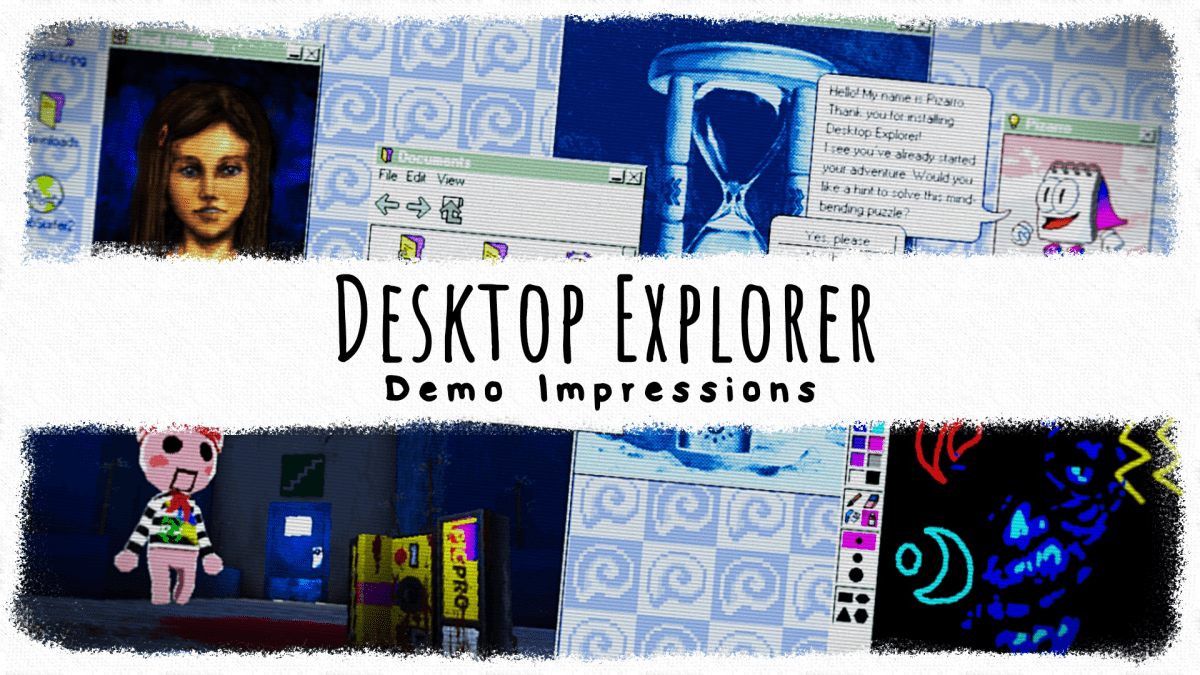
Desktop Explorer
Developer: Recurring Dream
Release Date: 17 Jul 2026
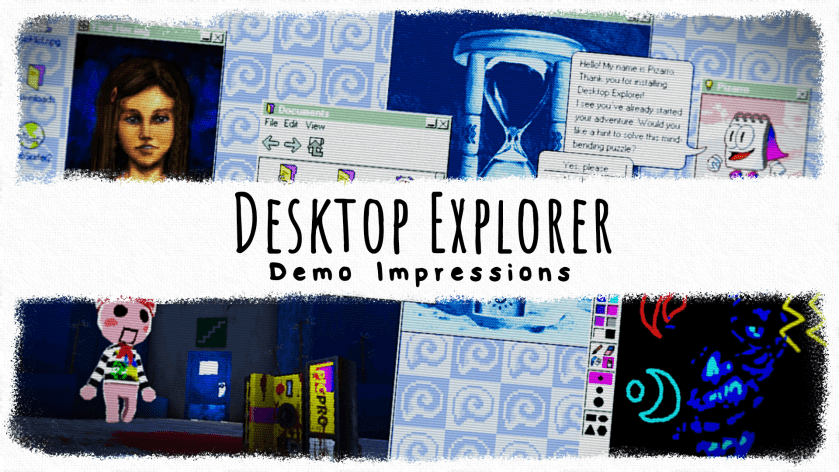
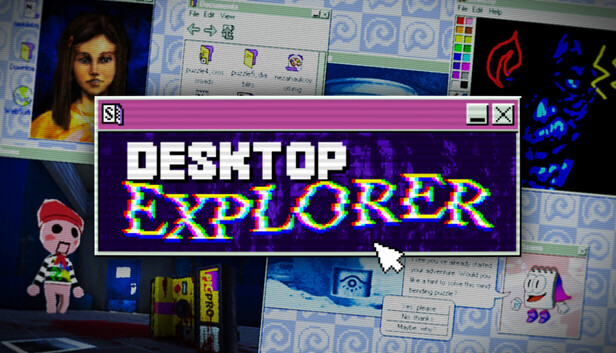
Rummage through the abandoned profiles of an old PC to unravel an inherited mystery. What secrets hide in this eerie adventure of cryptic games and outdated software? Who was using this computer? And what happened to them?
Desktop Explorer is what I want to call an OS exploration game, but not like any other I have played. The entire premise of the demo revolves around solving the puzzles on the system, incrementally unlocking new folders and using the files within to solve the next puzzle. They are presented to you through a light horror adventure, laterally unravelling the presumably real life mystery of your uncles amnesia/history/life.
The immersive nature of the OS threw me at first, as puzzle solutions can and will be found throughout the functions of the programmes themselves. Every solution had me feeling like a tech genius, despite – or should I say, especially because of – the brain scratching moments that had me starting at the screen, browsing back and forth wondering what on earth I was supposed to do. The information is there for those lightbulb moments and I feel that is all that you should know going into this game.
After seeking out logic puzzles for the last while, Desktop Explorer is an absolute breath of fresh air and I can’t say I have played anything else like it. I was thoroughly invested in this demo both mechanically and narratively and I highly recommend checking it out for yourself.
Demo Length – ~1 hour At a glance + Excellent puzzles + Diagetic puzzles + Diagetic hints + Immersive + Engaging story +/- Doesn’t feel hand holdy +/- Disturbing enough. Not too scary (yet)
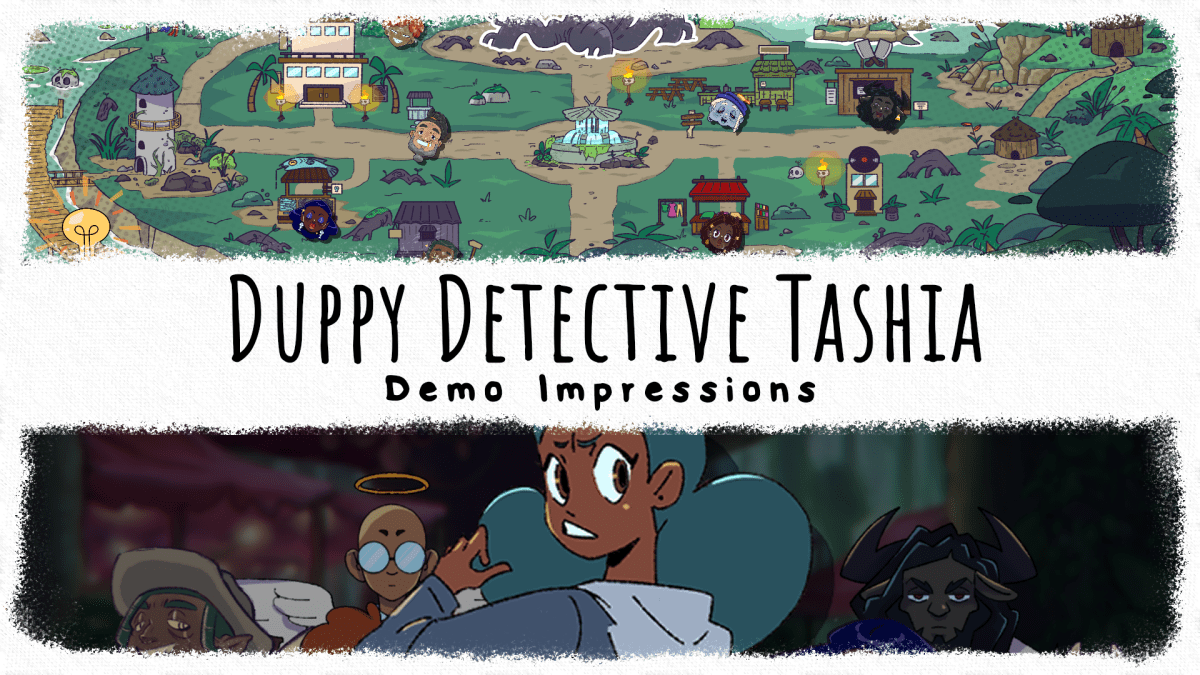
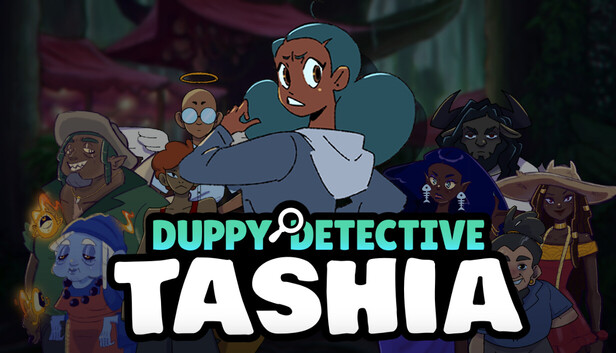
The cast are as vibrant as the colourful art style.
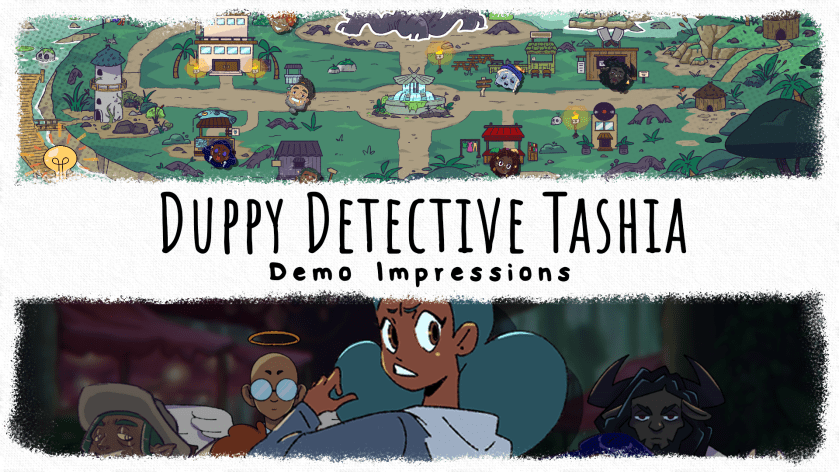
Duppy Detective Tashia
Developer: Spritewrench
Release Date: 8 Jun 2026
Help Tashia unravel the case of a heinous murder and find her cell phone in this point & click, mystery adventure based on Caribbean folklore!
With the full game of Duppy Detective Tashia due to be 2-3 hours, this 30 minutes slice showcased a fun, bubbly detective adventure that left no space for tedium. After unfortunately and unknowingly being struck from life, Tashia has a murder to solve in the afterlife. The stylish animations and UI tie the simple investigative gameplay together in a way that never felt like it slowed down.
The game is created by a tiny Jamaican studio eager to showcase their culture and as a result, the afterlife is populated with mythical figures that I am unfamiliar with. Cultures are unique but games are universal and indie games in particular remain an incredible medium to discover people, places and stories that you may never have encountered otherwise. I hadn’t even heard the word Duppy before (it means ghost!). This game has a flavour that couldn’t be produced be anyone else and I would love to see more.
What I didn’t expect was for the game to turn in to a narrative version of Among Us. You should play yourself to understand what that means as it gave me a good chuckle when the demo wrapped up the way that it did. An easy-going easily digestible way to spend some time and solve a mystery!
Demo Length – -30 mins At a glance + Colourful and stylish + Characters based on not your everyday myths +/- Gameplay is simple +/- The game feels more about the narrative than a challenging puzzle
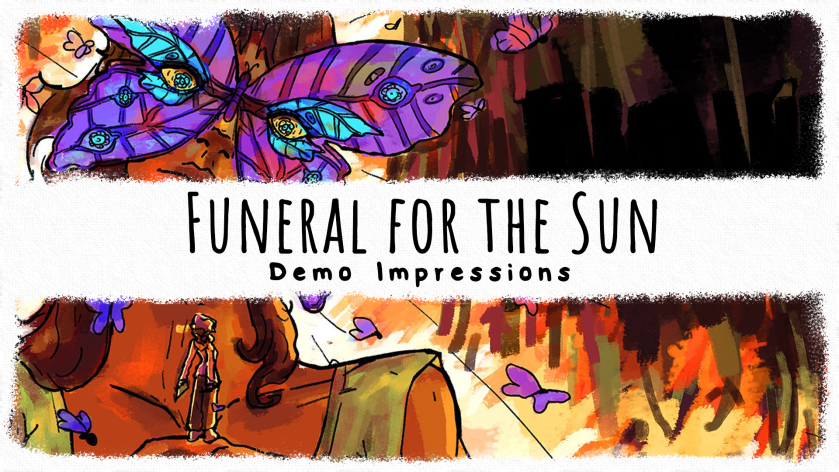
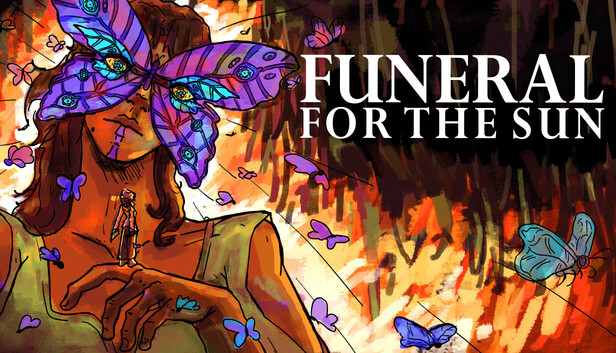
Search the ashes of an abandoned Latin American town and uncover 500 years of secrets. A non-linear mystery where you travel back in time and untangle the complex history of a community cursed by supernatural forces.
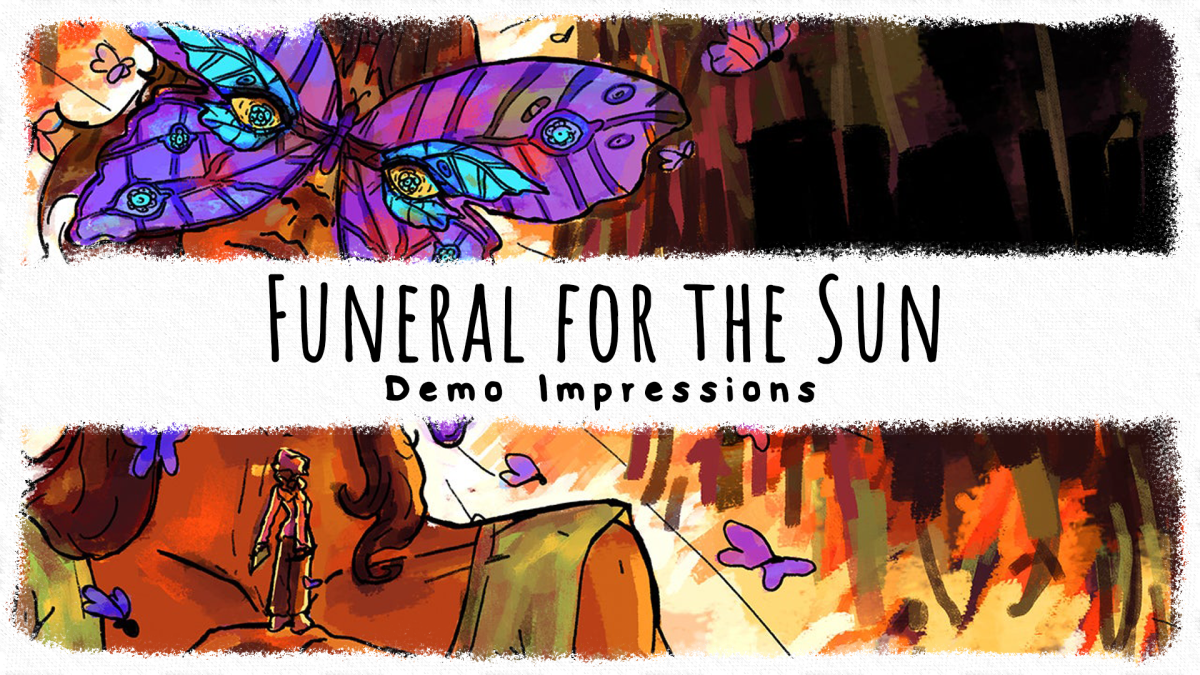
The final demo that I tried from the Thinky Direct 2026 was the demo for a game that I already had on my wishlist, Funeral for the Sun. We play as a historian on her attempt to unravel the past of a town doomed to flames and time.
Of all the games that I have tried that have evoked Return of the Obra Dinn in some way – my favourite game of all time might I add – Funeral for the Sun has come the closest to capturing that magic so far. Don’t get me wrong, Funeral for the Sun has its own soft, painterly art style, its own story to tell and its own unique way of telling it, but exploring the environments, discovering clues from the past and encountering the drama along the way is reminding me of the reasons that I like the genre. It is not only for the deduction of the logic puzzles – however smart that makes me feel when I have some success – but the story that unfolds along the way, the surprises, unexpected turns, and the oddities that provide another level of intrigue.
In less than 45 minutes I was given enough clues, enough fulfilment and enough strangeness to really want to continue beyond what is currently available. Exploring the same scenes in both the past and the present in order to fill out our journal, put names to faces and make the connections between them is an endlessly satisfying process, presented seamlessly. I will be keeping my eye on this one!
Demo Length – 30min-1hr At a glance + A satisfying deduction system + I have no idea where the story is going to go + Drama ramps up quickly + The way the past and present work together to present puzzles and solutions + The colour palette is evocative and art style recognisable – Only being able to save a limited amount of journal entries felt restricting
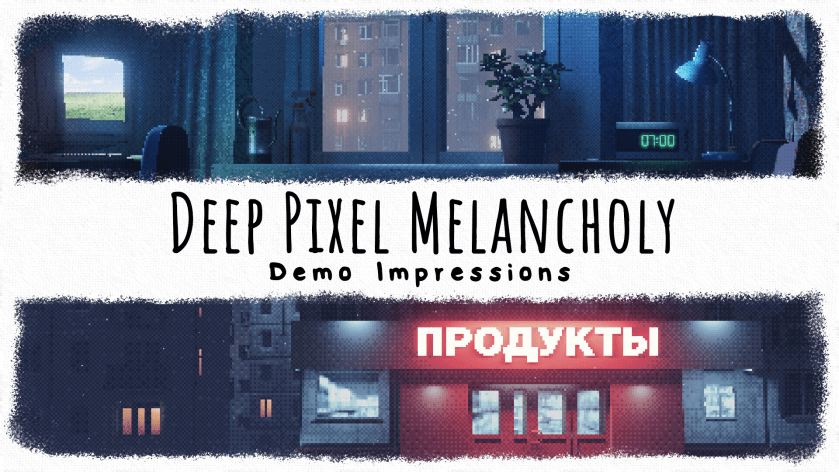
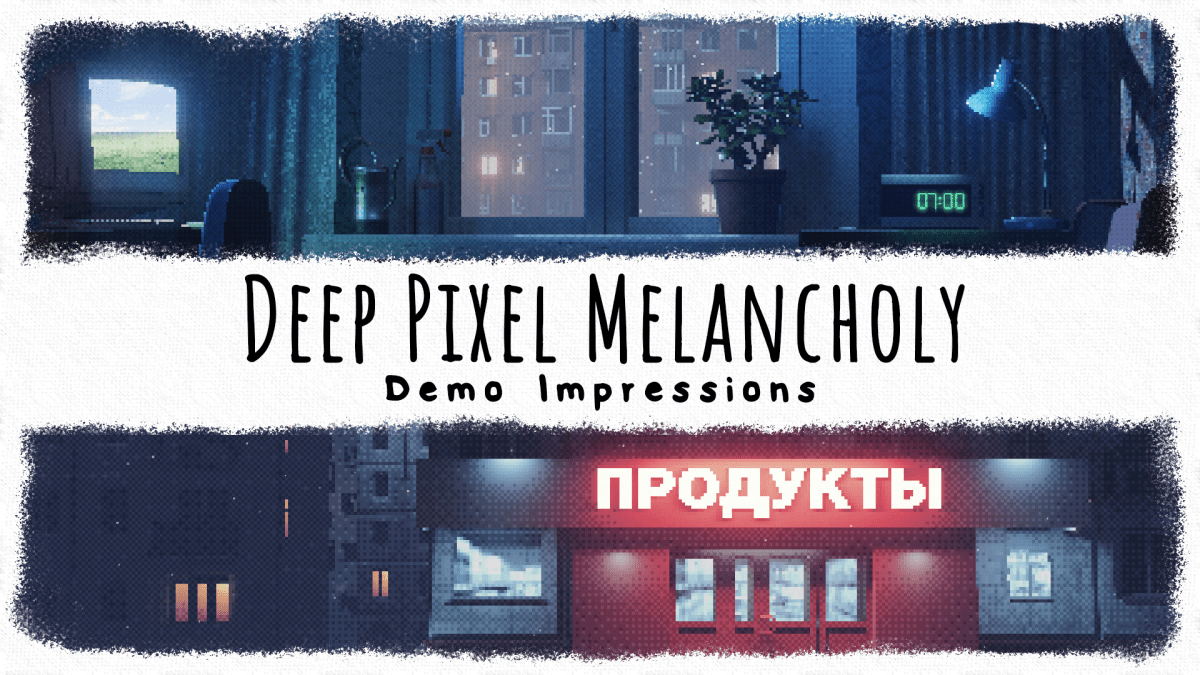
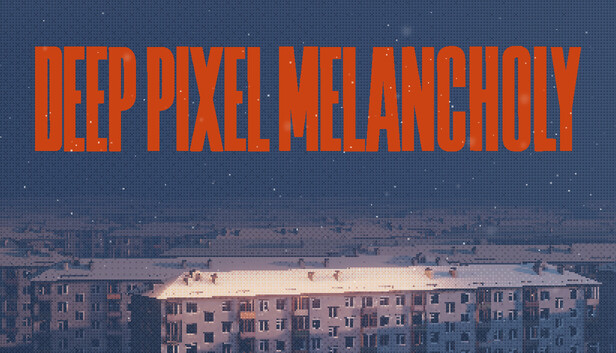
Deep Pixel Melancholy is a visual novel about being stuck in a time loop inside a far northern city. Unravel the mystery, and decide whether escaping is really worth it.
A unique Visual Novel demo that works on every level for me!
I realised as I was gathering my thoughts that I wanted to describe what I have played of Deep Pixel Melancholy as dystopic. When I pondered on that for only a few seconds, I realised that actually, there is nothing dystopic about it. The game is just portraying everyday life for millions of people on the planet. We go to the job that we don’t want to go to to pay the bills that we have to pay to survive, while worrying about losing the job that we don’t even want in the first place, because we need it to survive. Of course this isn’t the case for everyone in the world. If you don’t relate on some level then I am genuinely so happy for you, but it is undeniable that this is a universal experience across countries and continents for many, and a sad but real part of the human experience.
A concern that I often have trying games with these kind of themes and atmosphere is that there is a thin line between bleak, and straight up, for lack of a better term, misery porn. Sometimes this kind of fiction, depending on the way it is written, makes me want to put it down immediately and play something else. But Deep Pixel Melancholy so far runs the line perfectly. I related to my characters thoughts, feelings and actions without ever feeling irritated or ever getting that ‘too real’ feeling that makes me run away.
The pacing and prose make the story easily digestible. I am grateful for the bite-size, snappy sentances when dealing not only with a heavy world but a heavy mind. The game is written with present tense narration, guiding you as the player on what to do next, which you do by clicking on the stylised scene that you are in. You can also explore the scenes via descriptions and observations that you hover over. Each day they build on another which is another way that the game immersed me quickly. It is a subtle but true fact that my thoughts, even on a particular object, change each day depending on all sorts of internal and external factors and I loved seeing that represented.
Deep Pixel Melancholy has a gorgeously cohesive style, it presents just enough of a mystery to get its hooks in, and it has a relatable realness that I couldn’t help but want to see more. An immediate wishlist for me!
Demo Length – <1 hour At a glance + Bleak but not overwhelming + Intriguing mystery + Unique visuals + Interactions feel more diegetic than a standard VN
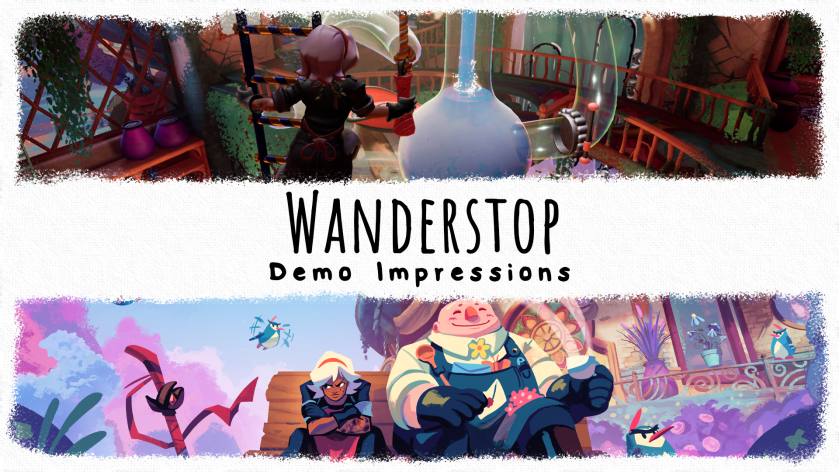
From the creator of The Stanley Parable and The Beginner’s Guide comes Wanderstop, a narrative-centric cozy game about change and tea.
We live in an era of hustle culture that glorifies work over wellbeing. We are encouraged to put everything we have into everything we do. If we don’t achieve our goals, we must not have worked hard enough. If we managed to take breaks or have fun along the way, did we really work hard enough? Of course, not everyone actually believes this, but we certainly all have met people who do, and based on the reception to this game by both critics and gamers alike, I would say a lot of us have internalised this mindset somewhat, whether we want to have, agree with it, care to admit it, or not.
Wanderstop challenges this mindset in a way that only a game really could.
These are demo impressions only, so I have yet to experience any of the story beyond the intro, but this small taster had a big enough impact that it felt really important to sum up my experience.
So far, Wanderstop is a commentary on passion and obsession. Where is the line between those things and if we are walking it, would we even realise it? Say we do take a step back and recognise, “Yes. I have a passion about something (in our main character Alta’s case, it is fighting). I am so passionate that I am going to chase this dream, idea, goal, or whatever it may be. I am going to chase it so completely that no one could possibly question my passion.” Wanderstop asks the question, “at what cost?”
We meet Boro, the most gentle, content soul, and the game asks another question. “Are you ok?”. Then, gives you all the time you need – probably more time than you would usually give yourself – to ponder it.
As someone who is prone to going all in on things and has burnt myself out multiple times before, every cutscene and conversation in this demo had an impact that I did not anticipate would hit me so hard. Personally, I am at a time in my life, I’d say a little further on than Alta is currently, where I have started to recognise the need for – and desire – balance. The moment I met Boro, his energy felt like the end goal for me. While Alta is wrecking herself, living her life with one goal in mind, desperatly clutching at one potential outcome and tormenting herself for falling short of an almost impossible goal, Boro is living in the moment, enjoying the journey, the here and the now. Alta, and I can confidently say a lot of us too, could do with taking a leaf or two out of Boro’s book (or tea… hehe).
Perhaps, feeling a longing for a Boro to find you and give you this opportunity the way that I did is an indicator that you yourself should take some time to reflect, to have no schedule, and to be. Whether that is through getting out in nature, a duvet day, doing absolutely nothing, or through making tea in Wanderstop, that is up to you – although I’d say Wanderstop is a good place to start.
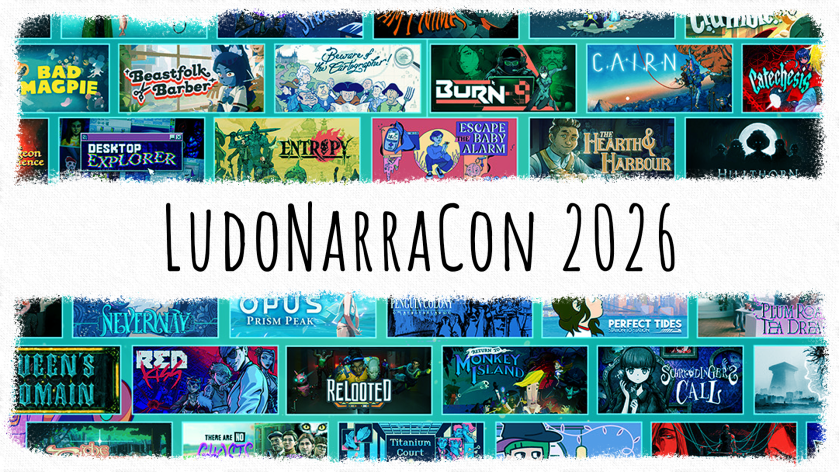
The action of playing this game forces the player to do the very thing the narrative is encouraging. Slow down. Potter around. Make some tea. No rush. No worries. This is our time. Rather than just telling you that you should do these things in a way that you have likely heard 100 times before, Wanderstop teaches you through showing and doing. This, along with some beautiful artwork, voice work and dialogue, is the reason this game stands out to me among a sea of cozy games, and I am really pleased to have it accompany me during my LudoNarraCon 2025 coverage. I am thrilled by the prospect of taking a break from my other IRL projects to go all in on game content for the month, but I am going to keep Wanderstop going on the side, reminding me to take a break and check in with myself every so often. And I am rooting for Alta to do the same.
Demo Length – 1+ hour At a glance + Writing – both conceptually and dialogue. + Beautiful cutscenes. + Heavy hitting package, relatable to many. + Meta in a way that only a game can be. + Voice acting is great. + Boro is precious. + Alta is imperfect in a very real way + Themes of tunnel vision, failure, sacrifice, exhaustion, burnout and the consequences of that have already been explored in the first hour. +/- I am anxious to see where the story goes and whether it continues to resonate. +/- I am also anxious to get further into the gameplay, to see whether it is therapeutic, or becomes tedious, boring or repetative.
Watch my playthrough and first impressions of the Wanderstop demo here!
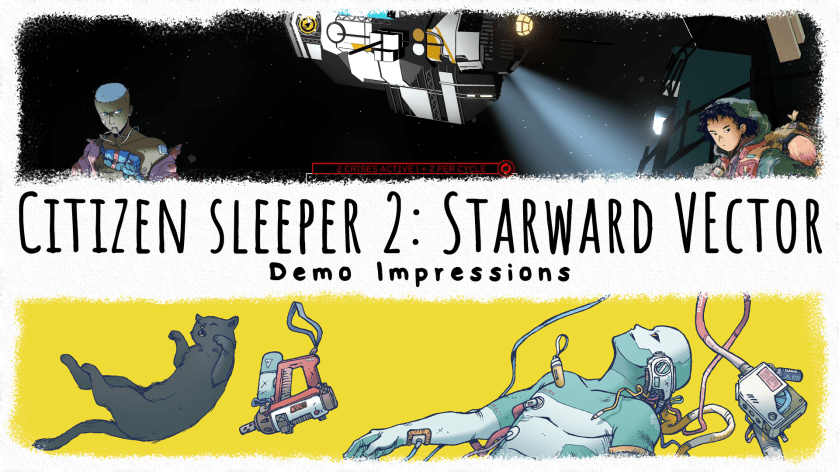
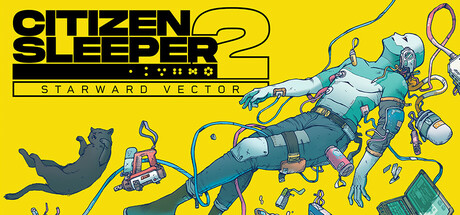
A dice-driven RPG, in a human and heartfelt sci-fi world. You are an escaped android, with a malfunctioning body, a price on your head and no memory of your past. Get a ship, find a crew, and take on contracts while you navigate across the Starward Belt.
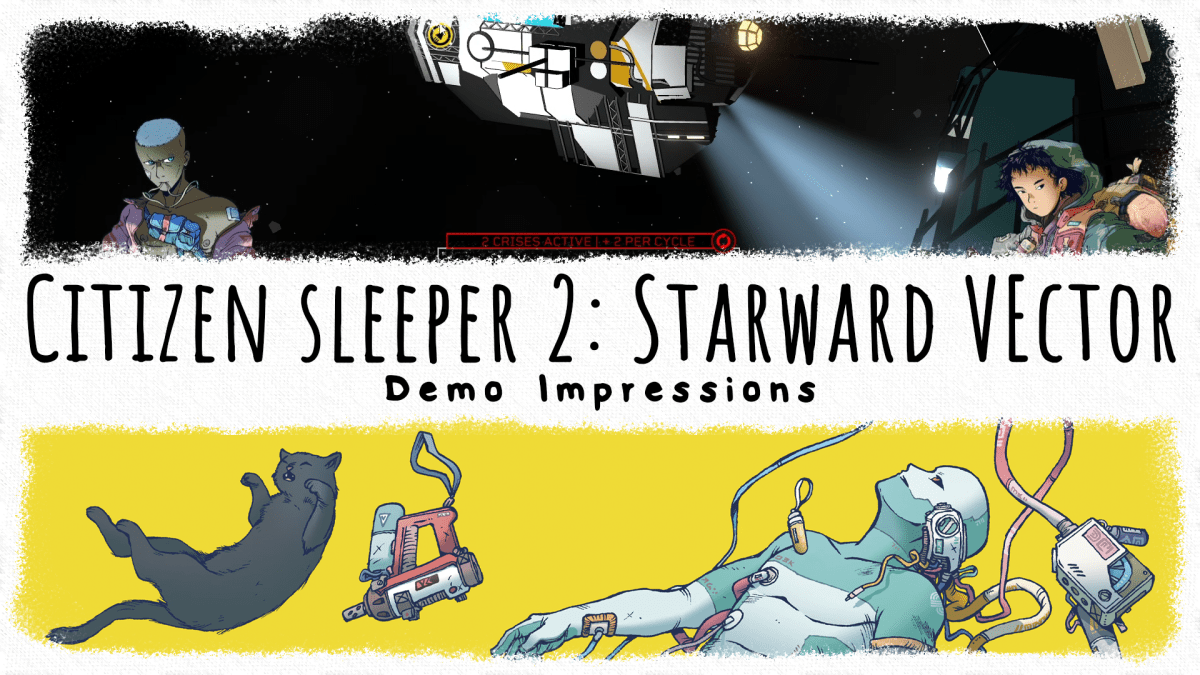
The Citizen Sleeper 2 demo throws you straight into the narrative. We are a sleeper. We are disoriented and lost as we come to our senses in an unfamiliar situation. The eloquent introductory scenareo does a great job of filling you in if you have yet to play the original, while not lingering too long for those that are already acquainted with the fiction. The ever familiar UI and soundscape provide comfort to me as a player as I get to know a new individual in an entirely new scenareo. We are no longer confined to the Eye, and based on what I have played so far, I cannot wait to see the stories that are yet to be told throughout the rest of space.
Citizen Sleeper is a Narrative RPG in which we use dice rolls to determine and distribute our actions. As is the case in Citizen Sleeper, your character has stats to give an advantage to certain types of tasks over others based on your strengths. Building these up over time as you gain experience in the world is just one of the mechanics in play in this management style, choices matter story.
What strikes me about the sequal so far during my 2 hours with it is that while a lot of the tone is synonymous with the first, there is a subtle change that has huge implications in both the gameplay and the narrative experience. We have a crew. In the first game we met plenty of people, got to know them, relied on them, even grew to love some of them, but deep down, it was a wholly solitary experience. For me at least, it felt deliberate as we go through the personal struggle of acceptance of what/who we are. People can help us along the way but that journey has to be ours and ours alone. I went to sleep alone at night, and I made my decisions based on what was best for me as survival had to be my number one priority. The small shift of having a crew is going to ripple out not only into my decisions, but into my way of thinking, and that is an exciting proposition.
Another impactful mechanic added to 2 is the contract system, changing up the day to day gameplay. If you are not currently on a contract, you are probably going to want to stock up for the next one as these multi-day jobs take you away from any bustle, to focus solely on the hustle. This new system is sure to complement our nomadic lifestyle, but presents its own challenges in resource management, risk reward and possibly even crew relations. I can tell you that my first contract absolutely did not go as I intended.
The writing is just as engaging as the first and with the universe at our fingertips, the possibilities feel endless. And with the recent announcement of a January 31st release date, we don’t have long to wait.
Demo Length – 2 hours At a glance + Meaningful changes from the first game. + A comfortable familiarity with the general structure and UI. + Choices matter, even during contracts. + Time pressure still feels weighty. + The addition of crew stress adds more plates to spin in an interesting way. + Writing and design remain stand out. +/- Looking forward to seeing the rest of the structure of the game.
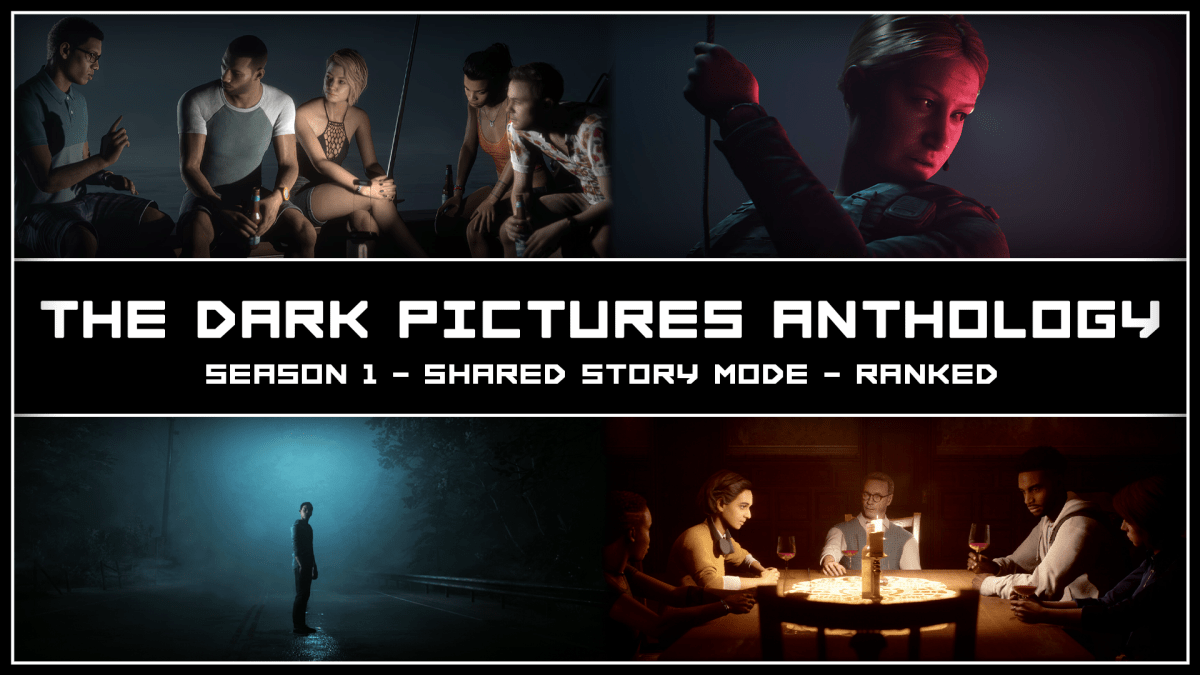
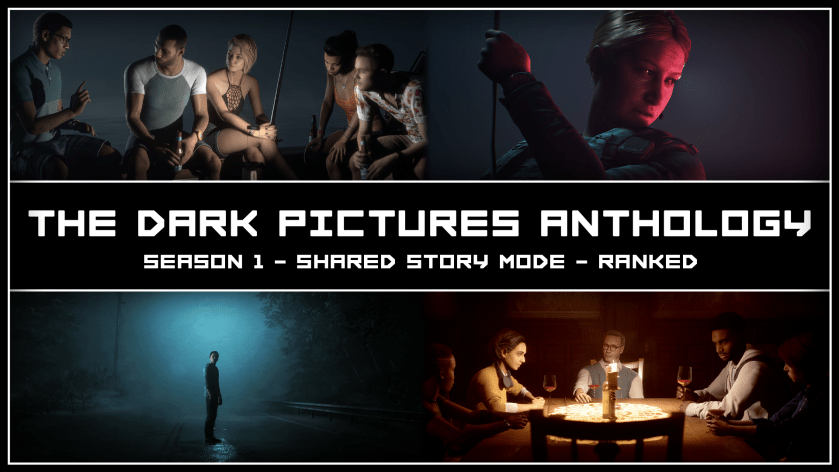
The Dark Pictures Anthology offer a rare and unique experience. I find the series as a whole to be underrated, not for their narrative or quality, but because they created Shared Story Mode.
Shared Story is a game mode that I don’t see talked about very often but feels revolutionary in the realm of narrative co-op gaming. Admittedly this is potentially a niche that couldn’t actually quantify a realm, but is the audience really that small? or do they just not realise the super interesting and fun play experience that this unique mode can provide.
So, Shared Story Mode is the ability to play these game via online co-op. This differs to the couch co-op option, because rather than passing the controller, you will each be playing different characters at the same time. Sometimes you will be in the same scene, exploring together and talking to characters – sometimes on either side of the same conversation, picking up clues and discussing the story. Other times, you will split up, taking charge of different characters in their own scenes, sometimes completely separate and sometimes affecting each others experience.
There is no right or wrong way to play this, but I believe the best way is to play with a friend that has similar values to you (e.g. explores a similar amount, investment in story, same intentions for characters etc) in a voice chat. When you’re characters are exploring together, you are free to chat away, but as soon as you are alone then you both mute yourselves, in a pact not to talk again until your characters have reunited (if they are so lucky). At that point, you can tell each other about what you did, what you found and what you learned.
Now, I am not saying Shared Story is THE definitive way to play. There are pros and cons. For example, in Shared Story you accept from the start that you aren’t personally going to get to play/see every scene. This is probably the biggest factor against playing this way. This also means that you may miss out on some context as you won’t get to see all of the clues that your parner saw, and therefore can’t make your own complete theories. Depending on your situation you may be rushing, unsure what your partner is doing and whether they are waiting for you. However, the game does a really good job of accounting for that.
While some of the edits can be a little janky, I am always impressed with how they manage to seamlessly tie the two playthroughs together. You never end up stuck waiting around, not knowing what to do. Also, in our experience, the gameplay is divided well, ensuring that both parties each get to play some key scenes. There are even some moments that you wouldn’t see in single player mode as you can only ever have one point of view. It is always fun to have the potential unpredictability that a friend can bring to a simple conversation between two characters, and it is always funny when it goes wrong.
Without further ado, here is my ranked list of Season 1 of The Dark Pictures Anthology, based on my Shared Story experiences.
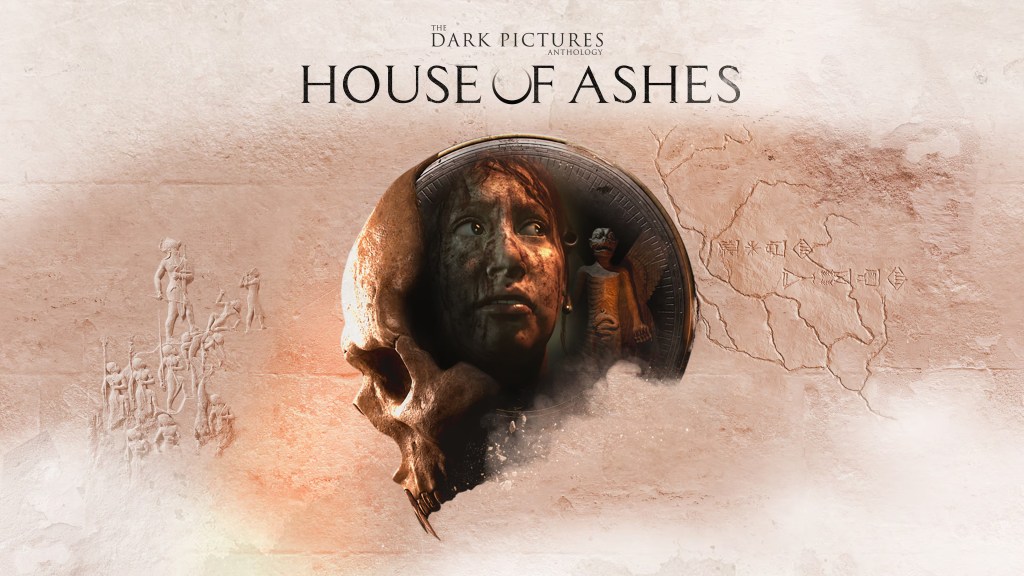
4. House of Ashes [2021]
At the close of the Iraq War, Special Forces hunting for weapons of mass destruction unearth something far deadlier – a buried Sumerian temple containing a nest of unearthly creatures. To survive the night below, they must forge a brotherhood with their enemies from the world above.
House of Ashes seems to be quite widely regarded as the best of the bunch but for whatever reason, that was not my experience. The issue? I cannot remember most of what happened in this game. The intro was strong, and I remember something happening at the end. Other than that? I have no idea. I cannot decide which is more damning, a bad impression, or no impression at all.
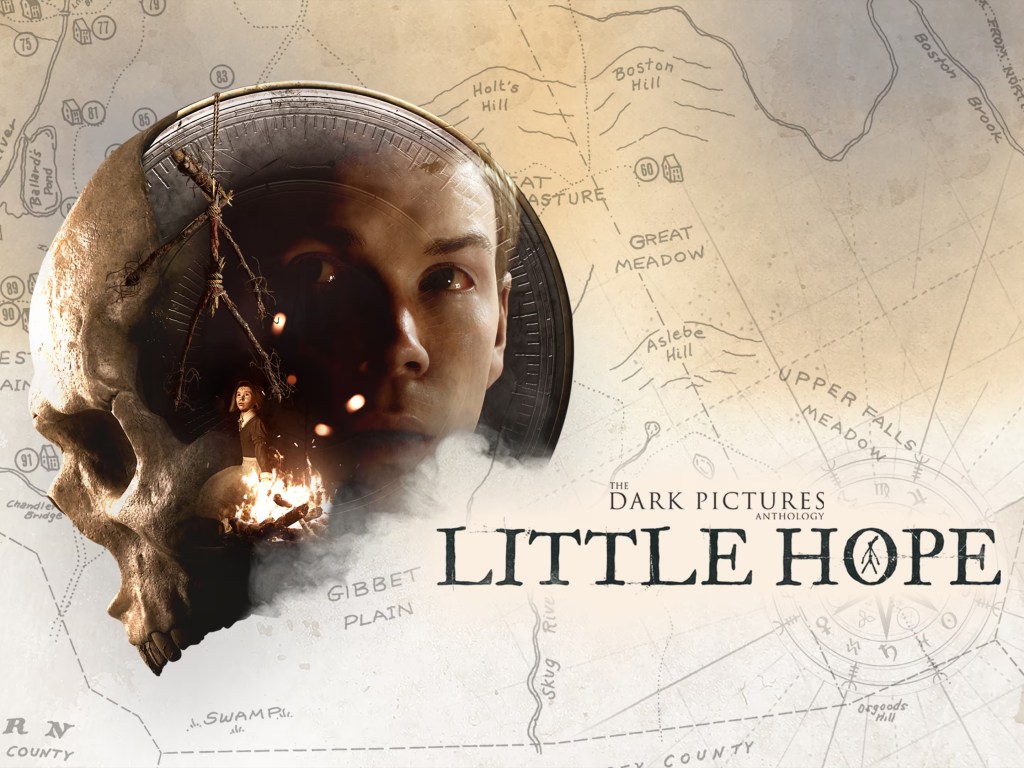
3. Little Hope [2020]
Trapped and isolated in the abandoned town of Little Hope, 4 college students and their teacher must escape the nightmarish apparitions that relentlessly pursue them through an impenetrable fog.
Little Hope is one of the games that I have the most conflicted opinion on in my entire games catalogue. It should be number one on this list, easily. The time spent playing this game, getting to know the characters, making connections, having the wildest theories and being excited by the potential, all washes away because of one thing that I cannot specify without spoiling the game.
I was so into what this game was doing. The non-linear storytelling is surprisingly fun to experience as a duo and the intrigue surpassed the horror, urging us to discover every clue that we could possibly find. The entire experience was such a thrill and delight, and while my buddy Hajda did not have the same turning point as I did, I was so disappointed that 20 minutes of the game managed to colour the rest of my entire experience.
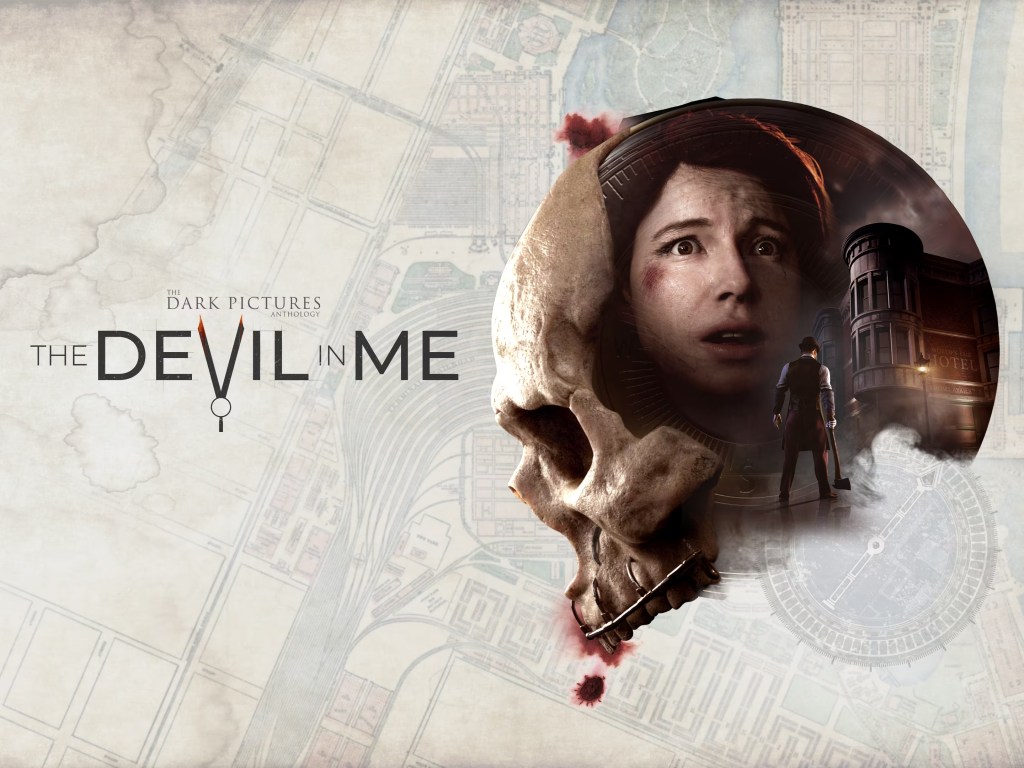
2. The Devil in Me [2022]
A group of documentary film makers receive a mysterious call inviting them to a modern-day replica of serial killer H.H. Holmes ‘Murder Castle’. But on arrival they soon discover they’re being watched, and even manipulated, and suddenly there is much more at stake than just their ratings…
The Devil in Me is the one out of all of the games that has the premise that interests me the most. The trailer gave very saw-esque vibes and that is the flavour of horror that I grew up with. I was disappointed to see upon release that the general reception was ‘meh’ at best. However this did lower my expectations enough to be thoroughly impressed with the time that I had.
I loved (and hated) walking around this claustrophobic, dingy, vintage environment, not knowing what was going to be around every corner. I loved that we were a documentary film crew, a classic but perfect reason to go to opt into traveling to a murder island. I loved the mysteries and isolation. This is the game that suffered the most from not being able to view all of the clues, as there were a lot of names and dates that got lost in communication. However, the experience of the story within the moment was a fun one, and I don’t think I could have handled this hotel alone.
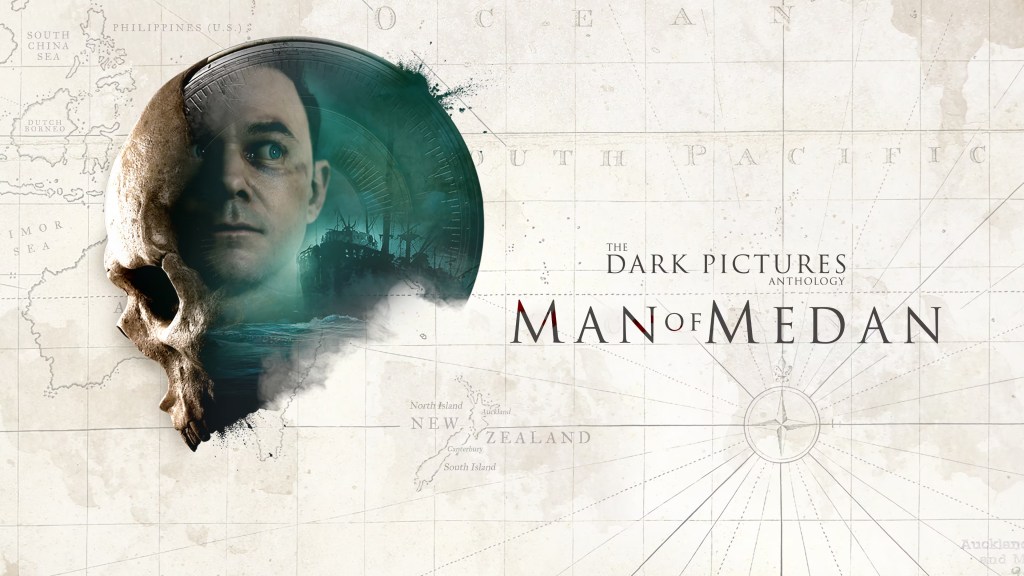
1. Man of Medan [2019]
The Dark Pictures Anthology is a series of stand-alone, branching cinematic horror games that can also be played online with a friend. In Man of Medan, five friends set sail on a holiday diving trip that soon changes into something much more sinister.
Man of Medan – the first of the bunch – remains my favourite, not because I didn’t enjoy the others, but because the premise of the game lent itself so perfectly to the shared experience. Once again, it is difficult to express the particulars for spoiler reasons, but trust me when I say that if you are still blind on the series and are interested in Shared Story mode, try it out for this one at least.
The truth is, even the bottom of my list offered a super fun time with my friend where we got to discover a story in a way that no other game offers. Shared Story Mode – despite its flaws – is a gem of an experience and I really hope that Supermassive manage to succeed in their Season 2 goals. The only other studios that I can think of that play within in this space are Hazelight (A Way Out/It Takes Two), using the narrative but using a lot of split screen, and Total Mayhem Games (We Were Here) which is much further into the puzzle genre.
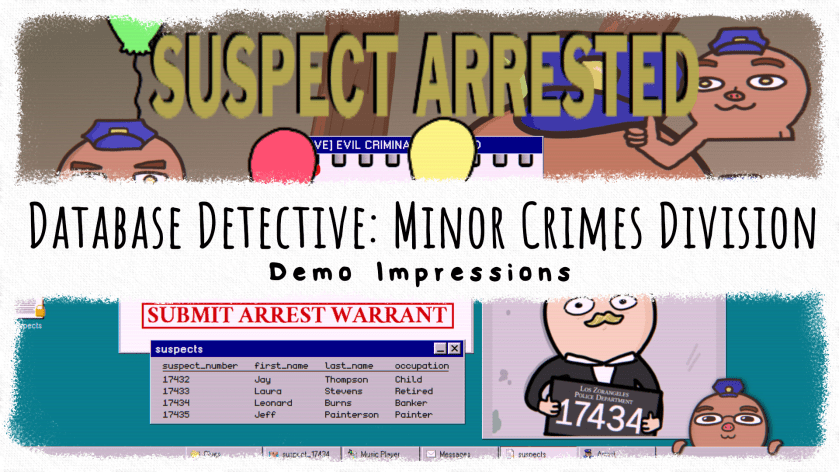
Death Trick: Double Blind is a detective visual novel. And it is a very good one. There has been a murder at the travelling circus and it is their last day in the area. We have until the conclusion of their big show tonight to solve it and it is up to us to use our time wisely.
This game was satisfying on both a narrative and mechanical level, the game-play providing a fantastic spin on the genre while the characters played a large part in populating this colourful world.
In Death Trick, we play as dual protagonists. A private detective hired to investigate the case, and a magician, here to ensure that the show goes on. Through both of these characters we get to know the cast of the circus from both an outsiders perspective and within.
The game is played in hourly blocks. First, we play as the magician, behind the scenes of the circus getting ready for our big performance. We are under cover as the famed murder victim herself, meaning that not only do we have to work to be accepted by our peers but we must avoid public areas to keep our performance a surprise. Then, we play the same hour as our down on his luck detective, re-orienting himself after a nasty black-out. As an outsider, we are not allowed into the behind the scenes sections, catching the entertainers for a word in the public areas between their performances.
Conversations are made using Action Points. Every hour they refill, and it is up to us how we use them. As we chat to different characters we gain topics and evidence that we can then question them about. Each question takes up an action point so you really want to take care to ask the questions that matter. Scouring environments for clues and calling out contradictions also use points. You can’t talk to everyone about everything, so a huge part of the game play is prioritising your questions, deciding whether you want to chase up every lead immediatly, or get to know a character in ways which may or may not get you closer to solving the mystery.
The circus setting is pleasing, the cast are colourful to say the least, the currency of points adds an angle of puzzle and the dialogue, as well as the mystery itself are well written, entertaining to read and easy enough to follow along. The music sets the scene, the art is evocative and does a good job visually presenting the characters personalities and styles alike.
I discovered two things playing this game. One is that I want more games set in a travelling circus. The other, is that I want many other games that follow this structure, set in their own weird and wonderful locations and telling their own fantastical stories with their own cast of characters. If any of this sounds appealing to you then I would urge you to give the game a go for yourself.
Developer: Misty Mountain Studio Publisher: Neon Doctrine Release date: 12 March 2024 Average Playtime: 7 1/2 hours Available on:PC, Switch




























![A Noob’s [Mini] Review – Death Trick: Double Blind](https://ctrlaltnoob.com/wp-content/uploads/2024/06/death-trick-double-blind-review.png?w=840)








![A Noob’s [Mini] Review – Death Trick: Double Blind](https://ctrlaltnoob.com/wp-content/uploads/2024/06/death-trick-double-blind-review.png?w=1200)
![A Noob’s [Mini] Review – Sea of Thieves](https://ctrlaltnoob.com/wp-content/uploads/2023/05/sea-of-thieves-review-2.png?w=840)
![A Noob’s [Mini] Review – Astro’s Playroom](https://ctrlaltnoob.com/wp-content/uploads/2023/04/astros-playroom-review.png?w=840)
![A Noob’s [Mini] Review – SOMA](https://ctrlaltnoob.com/wp-content/uploads/2023/04/moonlighter-soma.png?w=840)
![A Noob’s [Mini] Review – Return of the Obra Dinn](https://ctrlaltnoob.com/wp-content/uploads/2023/03/return-of-the-obra-dinn-review.png?w=840)