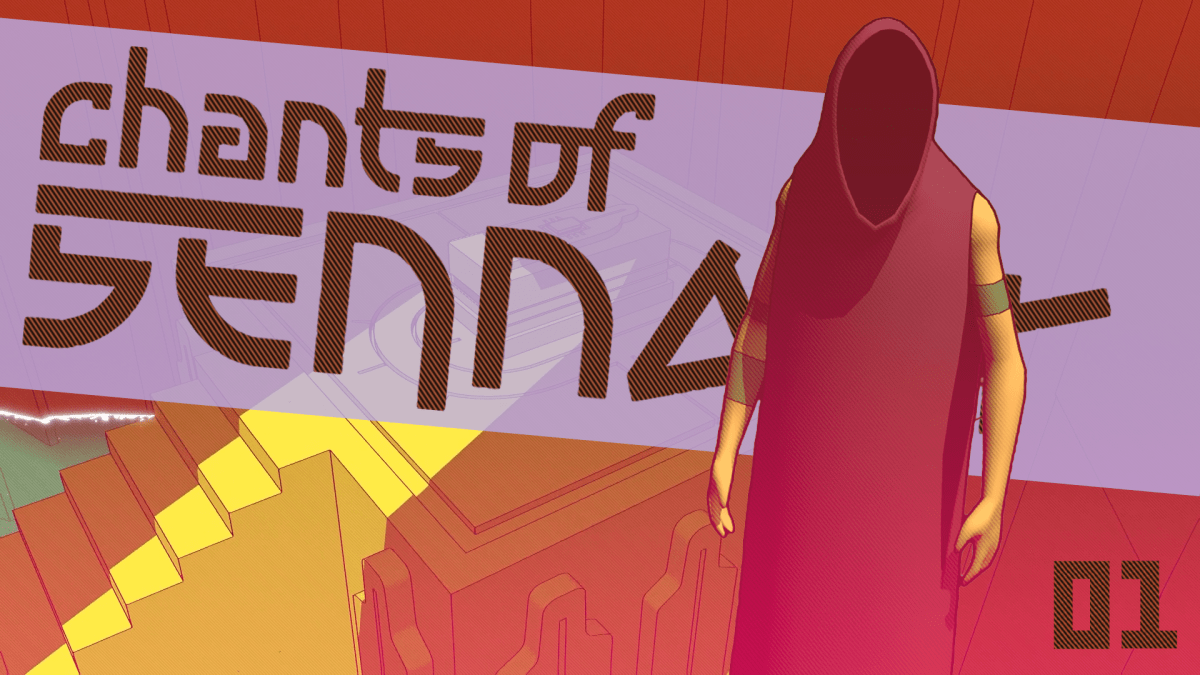
Chants of Sennaar is a puzzle game that involves translating languages based on the interactions that you have with the world and the people in it. We play as a wanderer, exploring the tower, ascending our way through a variety of communities.
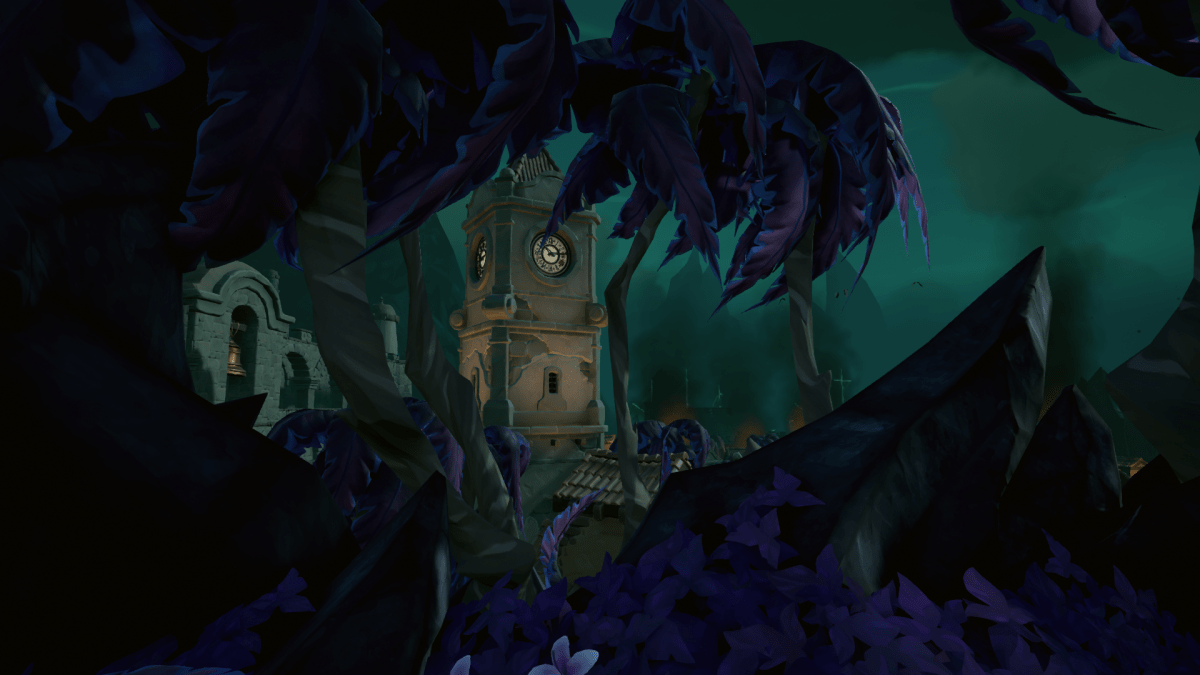
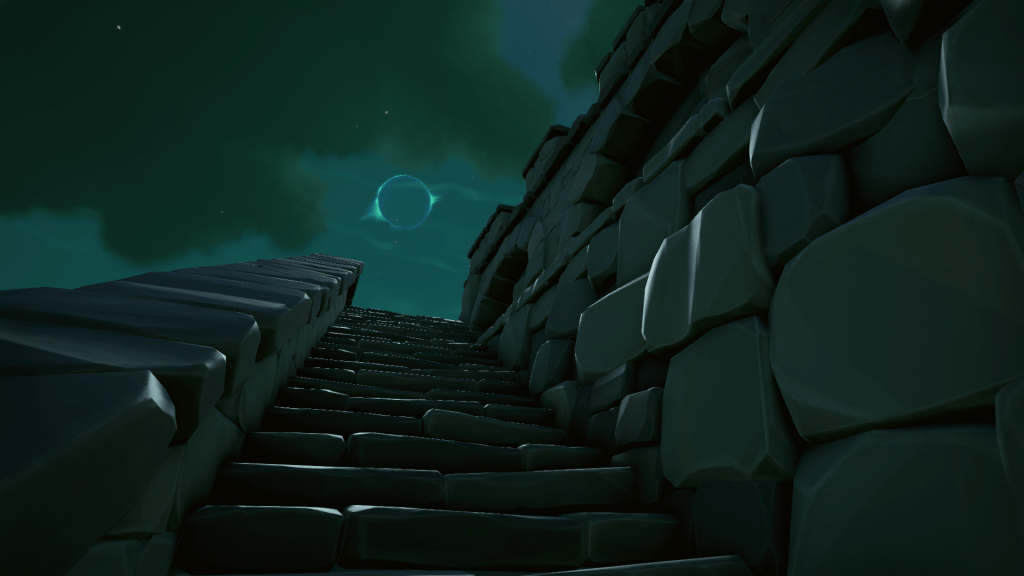
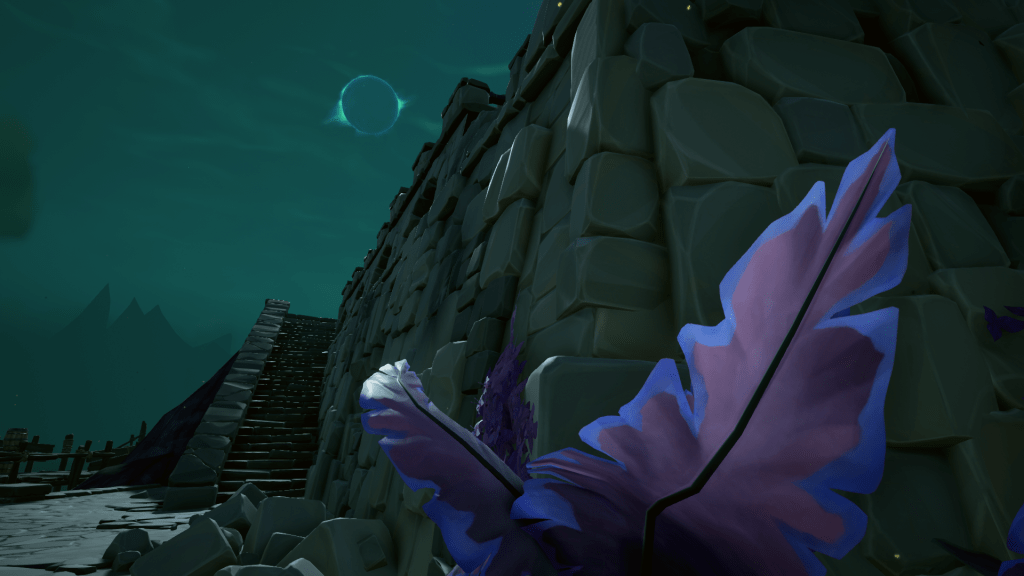
While the gameplay largely consists of learning the languages, there is also a lot of learning to be done about the way these different people live, interreact and perceive the world. Exploring the environments, taking in both the diegetic landscapes and the art direction itself tells a story beyond words.
From the moment that I played the demo I knew this needed to be a Let’s Play game, as the only thing more fun than solving these puzzles is sharing the thought process that leads us there. Whether you are playing Chants of Sennaar yourself or watching along, I hope your experience with the game is as beautiful as mine was!
Death Trick: Double Blind is a detective visual novel. And it is a very good one. There has been a murder at the travelling circus and it is their last day in the area. We have until the conclusion of their big show tonight to solve it and it is up to us to use our time wisely.
This game was satisfying on both a narrative and mechanical level, the game-play providing a fantastic spin on the genre while the characters played a large part in populating this colourful world.
In Death Trick, we play as dual protagonists. A private detective hired to investigate the case, and a magician, here to ensure that the show goes on. Through both of these characters we get to know the cast of the circus from both an outsiders perspective and within.
The game is played in hourly blocks. First, we play as the magician, behind the scenes of the circus getting ready for our big performance. We are under cover as the famed murder victim herself, meaning that not only do we have to work to be accepted by our peers but we must avoid public areas to keep our performance a surprise. Then, we play the same hour as our down on his luck detective, re-orienting himself after a nasty black-out. As an outsider, we are not allowed into the behind the scenes sections, catching the entertainers for a word in the public areas between their performances.
Conversations are made using Action Points. Every hour they refill, and it is up to us how we use them. As we chat to different characters we gain topics and evidence that we can then question them about. Each question takes up an action point so you really want to take care to ask the questions that matter. Scouring environments for clues and calling out contradictions also use points. You can’t talk to everyone about everything, so a huge part of the game play is prioritising your questions, deciding whether you want to chase up every lead immediatly, or get to know a character in ways which may or may not get you closer to solving the mystery.
The circus setting is pleasing, the cast are colourful to say the least, the currency of points adds an angle of puzzle and the dialogue, as well as the mystery itself are well written, entertaining to read and easy enough to follow along. The music sets the scene, the art is evocative and does a good job visually presenting the characters personalities and styles alike.
I discovered two things playing this game. One is that I want more games set in a travelling circus. The other, is that I want many other games that follow this structure, set in their own weird and wonderful locations and telling their own fantastical stories with their own cast of characters. If any of this sounds appealing to you then I would urge you to give the game a go for yourself.
Developer: Misty Mountain Studio Publisher: Neon Doctrine Release date: 12 March 2024 Average Playtime: 7 1/2 hours Available on:PC, Switch
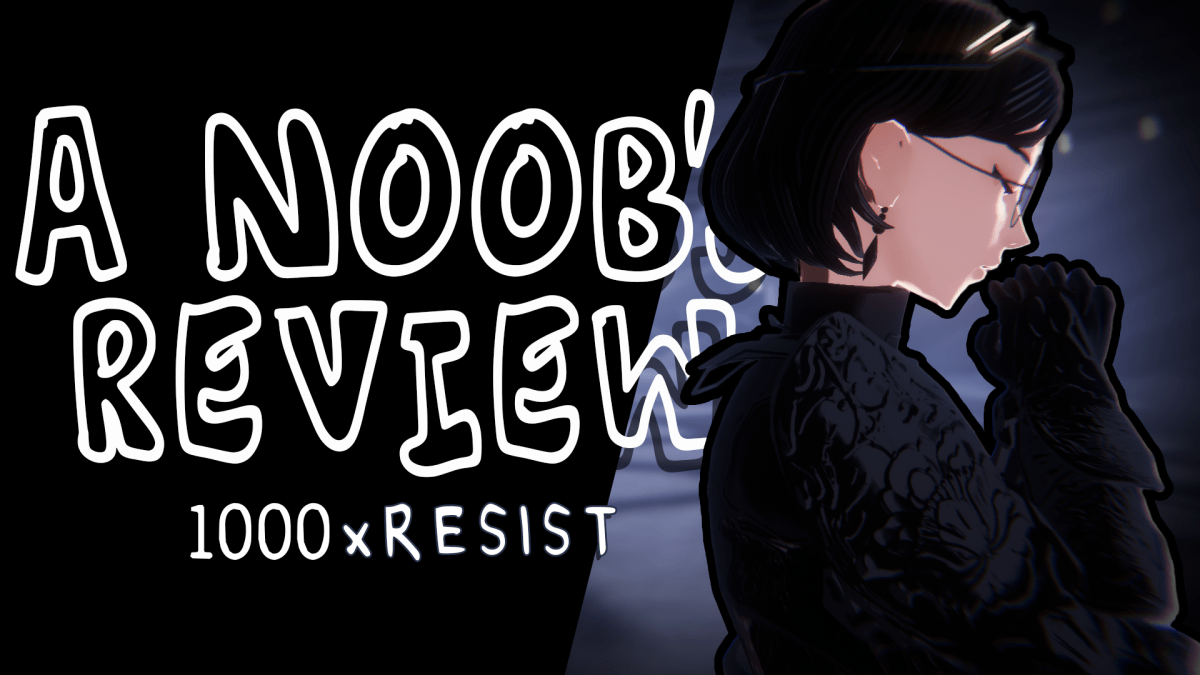
I already wrote at length about my first impressions of 1000xRESIST. Instead of rehashing that, I am going to talk about what I consider to be the games strengths. I would also talk about the weaknesses but I honestly have difficulty finding any beyond the slow start that I mentioned in those impressions.
The more you try to recommend this game to folk, the more you realise how difficult it is to define the genre. There is a surprising variety of touchpoints for comparison, but every similarity I point out is usually a specific tone or mechanic, rather that the game itself being similar to any other. Here, I want to talk about what this game does, and why it works for me.
+ Scope
I often wonder how people come up with stories like this. But then I read something from an AMA with the developers. This game is a fantastic example of using what you have to inform what you do.
A question was asked about what birthed the idea using clones. There were two answers, one we will get into later, but the second one stood out to me.
“The other thing was SCOPE. Yes, it meant we could focus on making the character model that we had, better!”
It’s fascinating how a creative decision so important can stem from such a technical, meta reason. I personally find that given all of the freedom in the world, my work will often be weaker than the work I had to do under restrictions, which could be why this resonates so much. Scope takes discipline, and while they could have decided to spend more time creating more characters, they made it a core part of the story, giving them more time to focus on the intricacies of the world they were building.
Thinking of it this way, it begins to dawn on me that there are a lot of reused environments too. Many of the places that you go, you will see again for one reason or another. However, there wasn’t a single visit to any of these locations that made me feel sick of them. It never got tiresome. Every revisit was repurposed so carefully that suddenly, fewer environments become a blessing, allowing me that familiarity that makes me feel more involved in the story.
+ Nature vs nurture / themes
Nature vs nurture is something that has always intrigued me. It’s not something that can ever be researched ethically, but the questions remain ever fascinating. How much of a person is in their genetics, and how much is their circumstance? What would the best of us be driven to under difficult circumstances? Could an evil person have been good? Is everyone capable of anything? Is anyone capable of everything? We will never know and it makes for an extremely rich setting for a narrative to explore. One thing that no one can deny is that we are influenced by the people around us, no matter how much we want to be, for better or worse, and that is explored well here.
There are two reasons why we wanted to look at clones! One, was getting to explore the classic thematic of nature vs. nurture. How much of how we turn out as human beings is because of things we don’t understand?
The game also took on many tricky themes that could very easily have been too much. Generational trauma, oppressive regimes, faith, sacrifice, ends justifying means, intent, justice. It was a lot, but never too much. Everything was handled with care and in a world where everyone is waiting for the next thing to be outraged about, I found the game handled everything with class, giving no ammunition to the folk who try to drag things down. Equally, it felt like a safe space to consider these delicate topics without judgement.
+ The Writing
As I mentioned in my first impressions, I didn’t like the writing at first. However, once I got used to the rhythm of the speech of these characters, I was finishing their sentences. I when I finished the game, I couldn’t remember the specific lines in some important moments, but I could hear their rhythm like a melody stuck in my head. And it’s believable. No one talks like this, but they do. It is another one of those bold choices that went well because they rightfully have confidence in the excellent quality of their storytelling.
+ Everything Audio
The music goes a long way to setting the atmosphere of this game. Every time I sat down for a session, hearing the melancholic tones had me immersed immediately, whether it was light, sombre melodies or a little heavier.
The voice acting is another auditory factor that solidifies this games identity. There are so many characters, all so similar and yet so different. The hushed tones, words spoken so softly yet carrying so much weight. It is all so intentional and commendable. The voice acting also contributes to the rhythm of the speech as mentioned above. Without it, I am not sure the game would have bled into my thoughts the same way that it did.
+ Visuals
The game does not have ‘impressive’ graphics. As in, don’t come here for photorealism or next gen aesthetics ala Hellblade. It is stylized. Sometimes, particularly walking around the hub area, the textures felt a little PS3 to me. However, I think any reasonable gamer, and particularly indie enjoyers, can accept that photorealism is only one choice in a medium that can achieve anything, and beauty can be created in other ways.
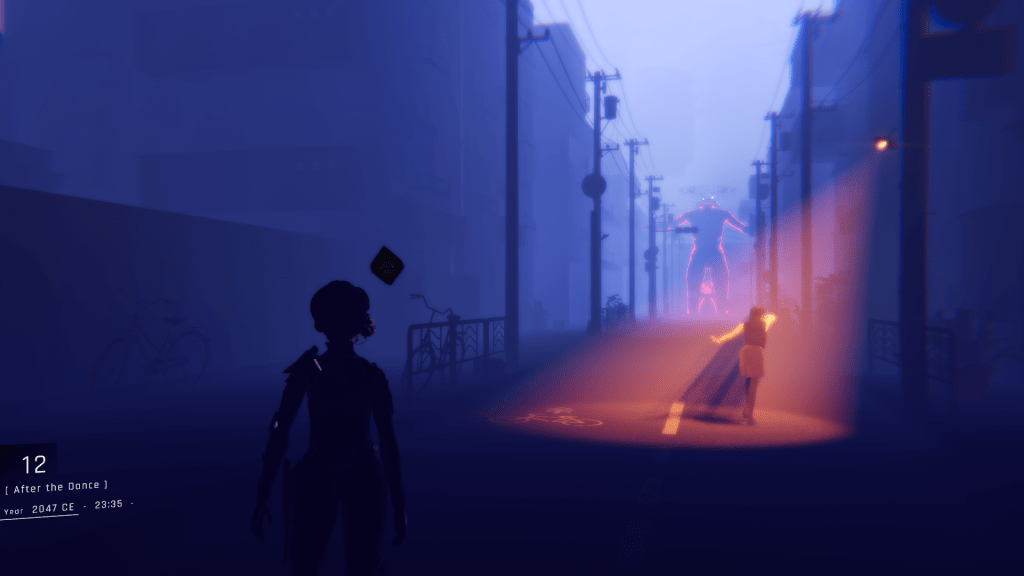
What this game does have is very impressive art direction and cinematography. It is ambitious in its style in every way except perfection. Colour is already an in game concern, but the use in a creative sense, alongside lighting, can be striking. Whether you are walking around a corner into a set piece, or being guided by a cutscene to see something new, the developers clearly had a vision and they did everything they could to put that on screen, succeeding with flying… colours.
+ Balance
1000xRESIST contains a huge, winding story, the likes of which is very rare to be told so comprehensively within a 14 hour experience. The reason that it is done so well is the balance achieved in the conceptual phases as well as the execution. This story is about disaster. It is about eras. Civilisations. But it is also about people. Individuals. It is about things much bigger than we can possibly comprehend, and it is about the nuance of being human within that. It never loses sight of either of these things.
+ Attention to Detail
Just because the scope was kept in check, that doesn’t mean there is a lack of anything. In fact, that is most likely the very reason that the game contains the density of detail that it does. Again, I am not talking about the textures or foliage. I am talking about continuity, and the stories that are being told indirectly throughout the entire game. It is worth looking around and talking to everyone that you find. You never know who or what will make a huge difference down the line. While it isn’t the focus of the story, I find there to be a bit of butterfly effect between the lines and it is really neat to identify the triggers that may change the course of history, no matter how small they seem at the time.
+ Respecting the Player
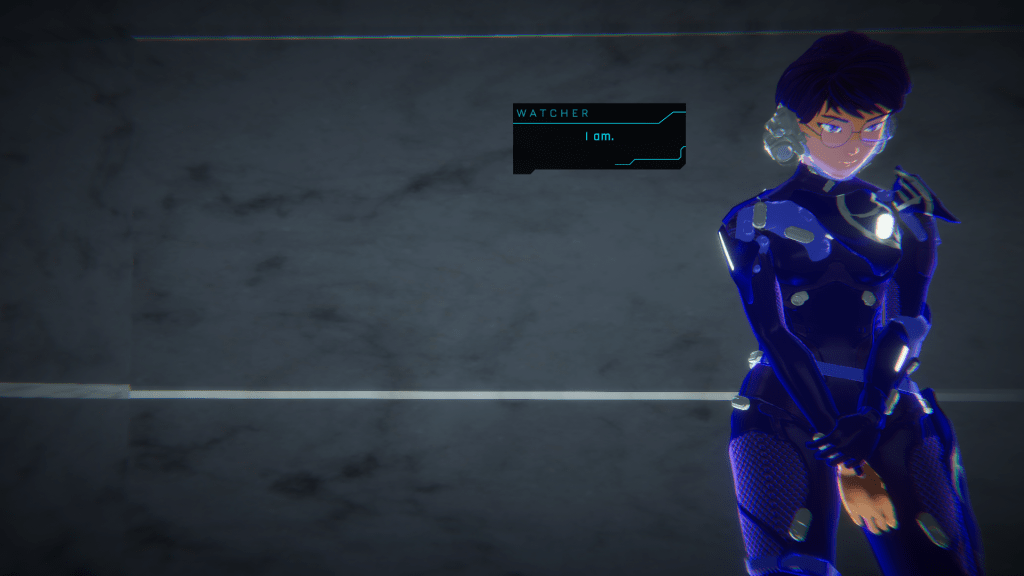
Possibly the thing that I found the most impressive above all else is the way that I felt respected as a player. In my initial impressions I complained that I felt I was supposed to care about something I had no understanding of or context for. I understand that decision a lot more as I have made my way through the game. The developers trust that you will come to understand, without any clumsy exposition dumps or codexes. We learn through experience, exploring the environments we are in, and observation. It is no coincidence that our main character is called ‘Watcher’.
Of course, there is exposition, there has to be, but it is weaved into the game so well that I never begrudged it. In fact I welcomed it as the more that I found out, the more that I realised I still wanted to know. There is even an exposition device written into the story in the form of communions, allowing us to learn about the history of the game world alongside our main character.
I felt respected in another way too. Throughout this whirlwind of heavy hitting themes, I never once as the player felt that I HAD to feel a certain way. These characters are flawed. They make mistakes, mistakes that we are making with them, whether we believe it is a good idea or not. Never once did the game then shame you for what you have done. It provides opportunities to think, but it never does the ‘What have you done?! You, the player, you did something despicable’ thing that some other games do. It could easily have gone down that route but I am very grateful that it did not and as a result it is a richer experience.
1000xRESIST appeals to the part of me that loves YA dystopian fiction. There is nothing wrong with that, but it also somehow feels very reductive. I think what I ultimately mean is that this is not going to be for everyone. For me, it came out of the blue, infecting my thoughts both in and out of the game for a while, but not everyone will have that experience. I think it is important to temper expectations, especially if you aren’t going in as blind as I did.
If anything that I have wrote sounds interesting to you then there is a good chance you will enjoy the game, but be aware that this is an immersive, experimental, narrative based experience. If that isn’t your jam then I don’t necesserily think this is the game that could convert you. My recommendation to everyone is that if you aren’t feeling the beginning, just like I wasn’t, try finishing the first two chapters and see if it grabs you. If it hasn’t by then it probably wont but that is a good amount of time to see some of the variety of storytelling on display.
One thing I do know is that I am not finished with this game.
This is a game about breaking barriers. Some characters giving their all to destroy them and some giving their all to stop them. But also the developers, creating a game that I can’t ever imagine a large studio having the courage to try. It is unconventional, it nails what it is going for, it is a breath of fresh (and emotional) air, and as I said in my impressions post, this is what indie gaming is all about.
Hekki Grace.
TLDR: + Scope + Themes + The Writing + Everything Audio + Visuals + Balance + Attention to Detail + Respecting the Player
If at first you do not succeed, try and try again, and again, and again
The Posthumous Investigation
Developer: Mother Gaia Studio
Release Date: Coming Soon
Travel to a noir Rio de Janeiro in 1937 and investigate the mystery behind the murder of Brás Cubas, famed character created by Machado de Assis. Until the truth is out, you’ll be trapped in a time loop, amidst a plot full of conspiracy and treason.
The Posthumous Investigation has the makings of a time loop game done right. We have been tasked with solving the murder of a man, hired by the deceased himself to unravel whatever trouble he got himself into. We only have one day but fear not, if at first you do not succeed, try and try again, and again, and again.
The area in which we are investigating is alive, with events happening all around whether you are present to witness them or not. Whether this means you wander into a dramatic confrontation or stumble upon the aftermath of an incident, it makes each loop a joy as it becomes less about being in the right place at the right time, and more about reverse engineering the situation to discover what happened before.
The noir atmosphere and classic cartoon style complement each other wonderfully, setting the scene both in universe and to the player. In contrast, the UI is modern, clean and easily readable, almost as smooth as the jazz occasionally gracing our ears.
Often with these types if games it is impossible to tell in advance how well the full game will hold up. It is going to rely on the mechanics continuing to feel fresh, the story staying interesting and an appropriate runtime. However, the demo did enough to stop me playing. In a good way of course, I am interested enough that I didn’t want to play anymore until I could have the complete experience.
Demo Length – 1+ hour At a glance + All in on the aesthetic. + User friendly options to prevent time loop tedium. + Lots of events happening inspiring ideas for next loop. + Clues carry over but items do not, creating a puzzle in the order of operations. +/- I didn’t feel the (dialogue) writing was great but it did the job.












































![A Noob’s [Mini] Review – Death Trick: Double Blind](https://ctrlaltnoob.com/wp-content/uploads/2024/06/death-trick-double-blind-review.png?w=1200)
![A Noob’s [Mini] Review – Death Trick: Double Blind](https://ctrlaltnoob.com/wp-content/uploads/2024/06/death-trick-double-blind-review.png?w=840)

![A Noob’s [Mini] Review – Sea of Thieves](https://ctrlaltnoob.com/wp-content/uploads/2023/05/sea-of-thieves-review-2.png?w=840)
![A Noob’s [Mini] Review – Astro’s Playroom](https://ctrlaltnoob.com/wp-content/uploads/2023/04/astros-playroom-review.png?w=840)
![A Noob’s [Mini] Review – SOMA](https://ctrlaltnoob.com/wp-content/uploads/2023/04/moonlighter-soma.png?w=840)
![A Noob’s [Mini] Review – Return of the Obra Dinn](https://ctrlaltnoob.com/wp-content/uploads/2023/03/return-of-the-obra-dinn-review.png?w=840)