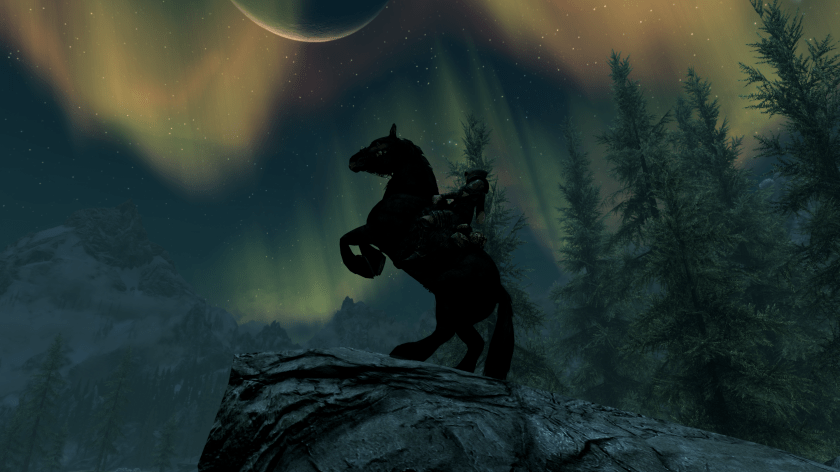
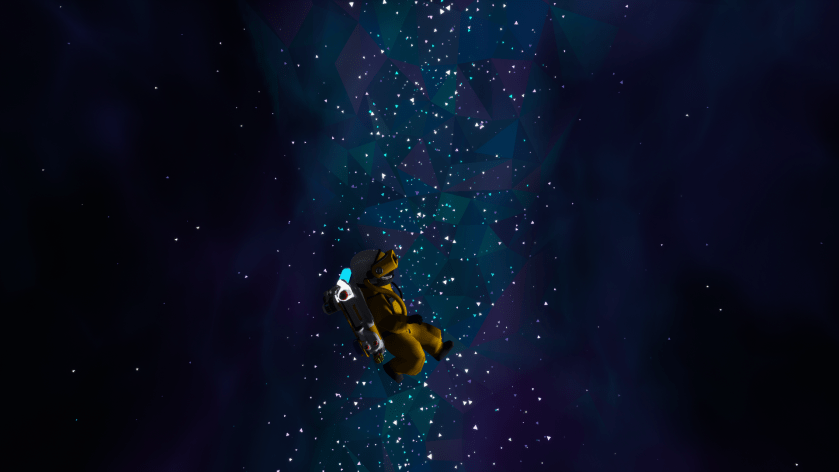
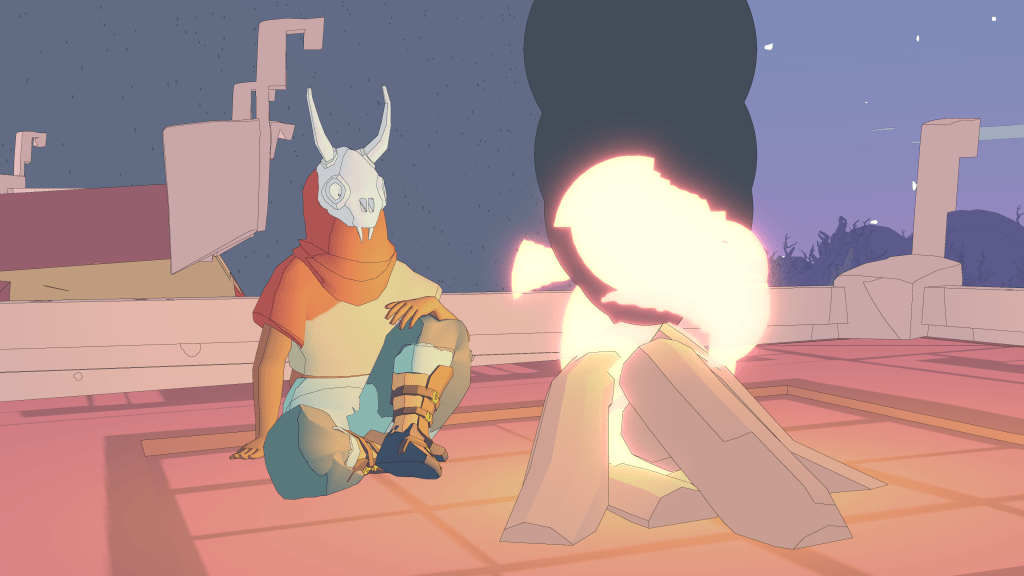
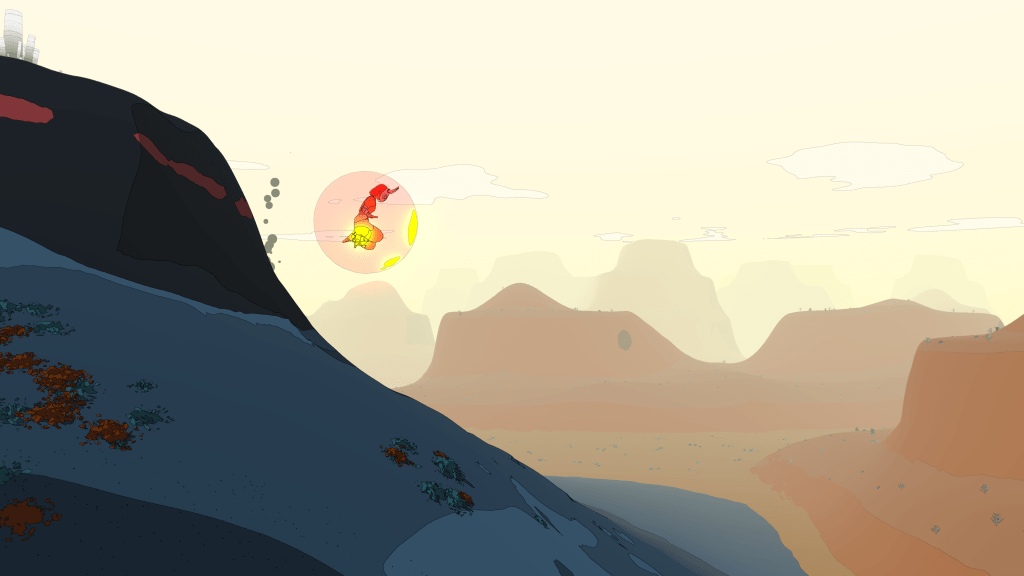
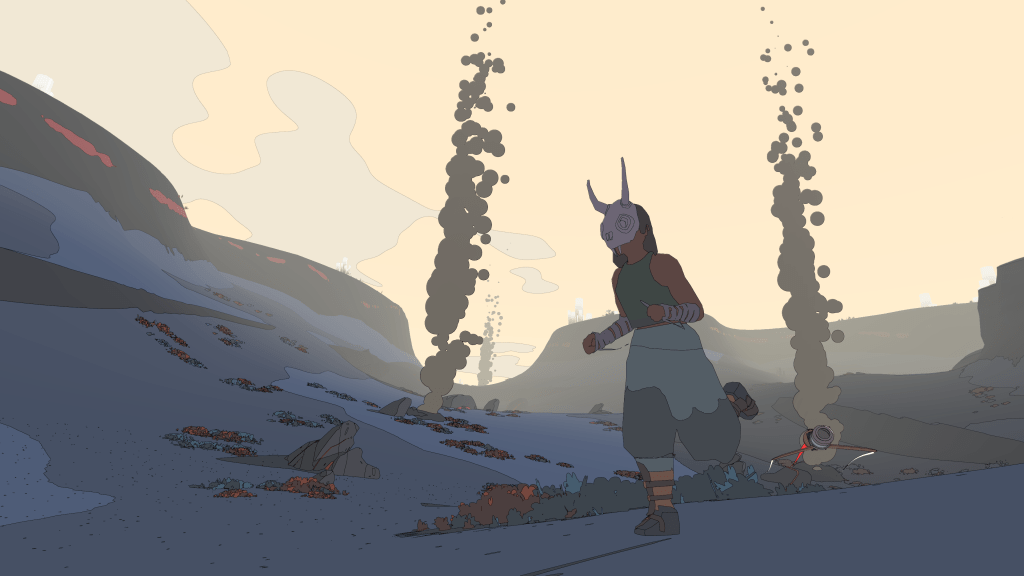
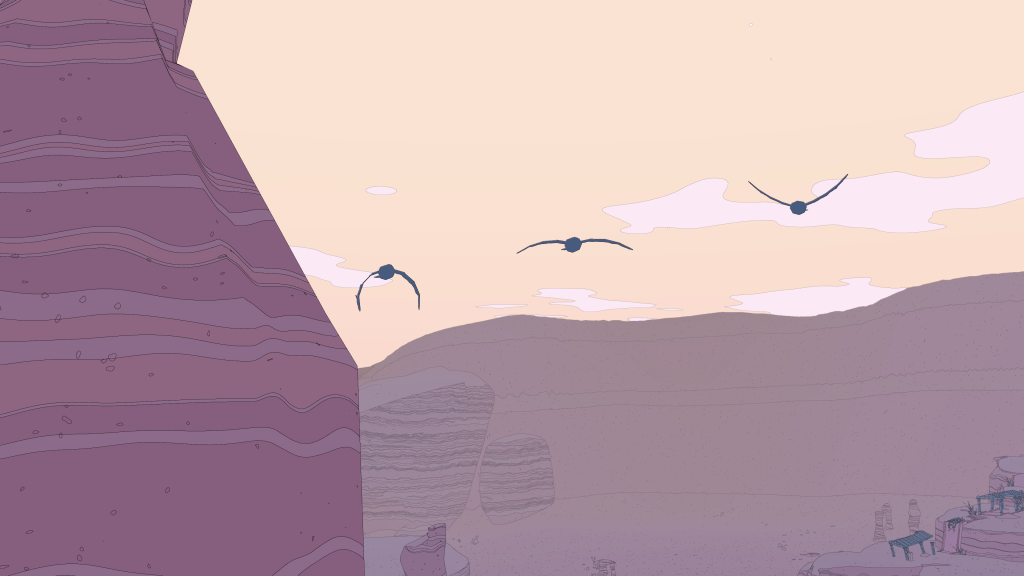
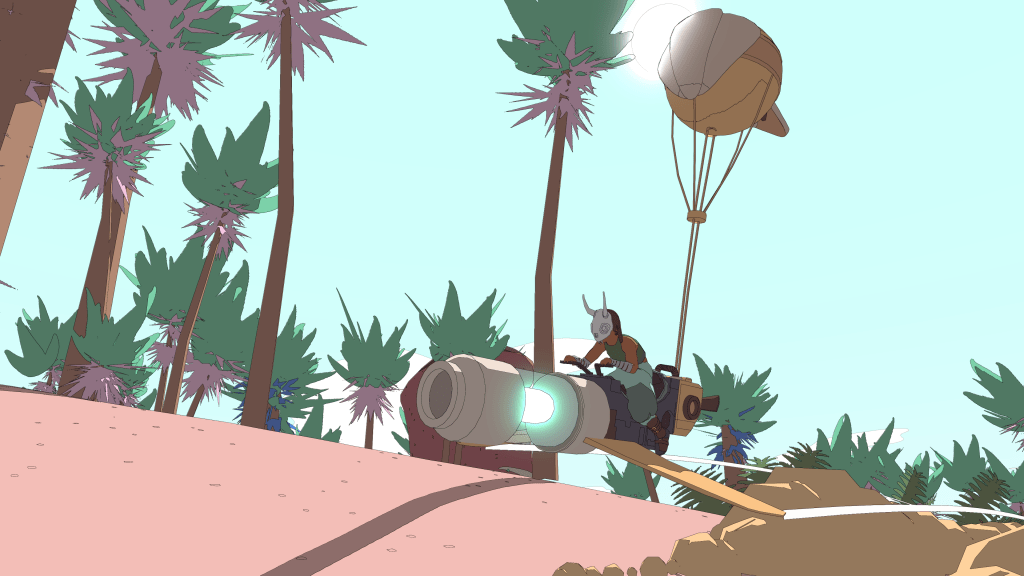
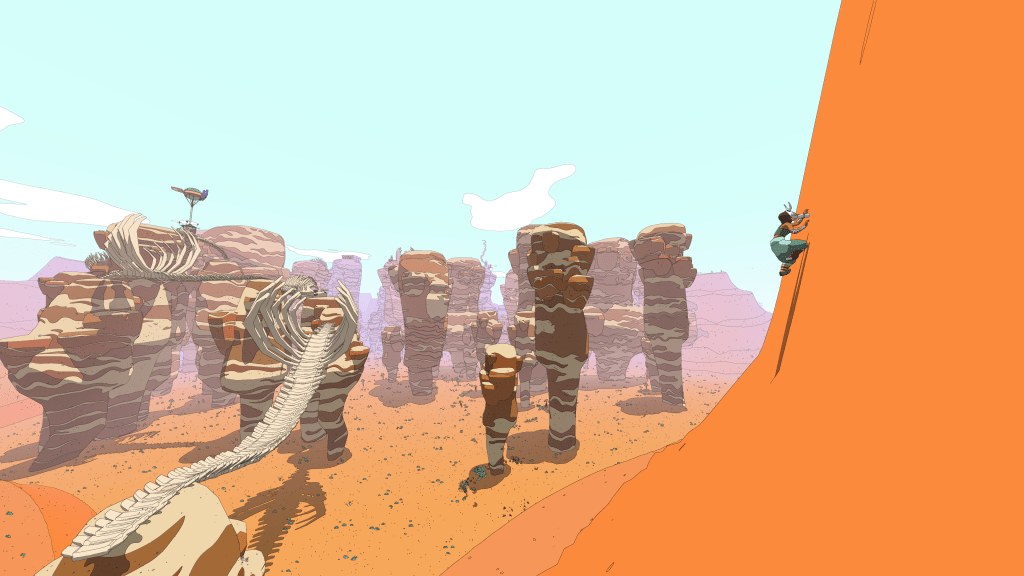
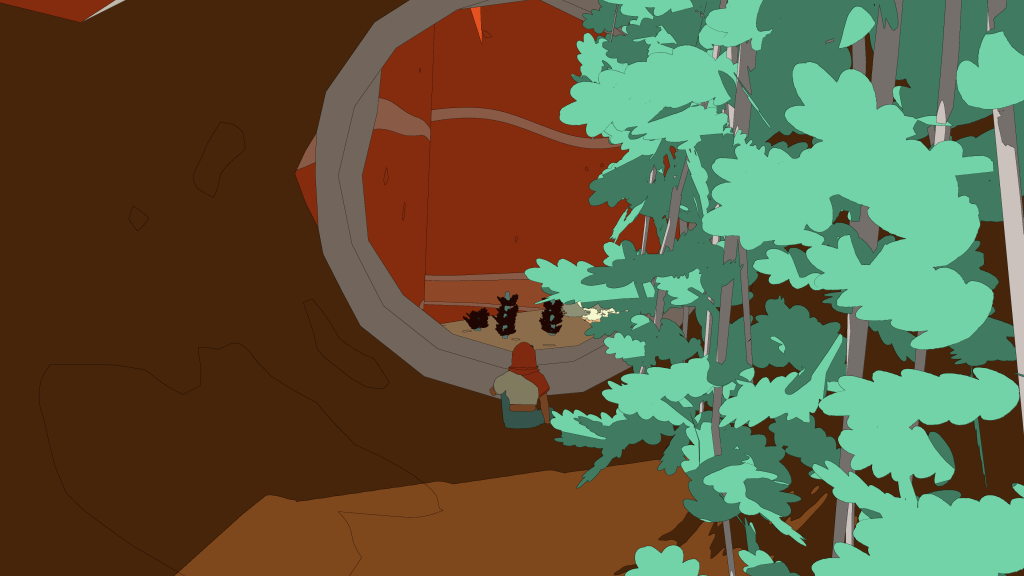
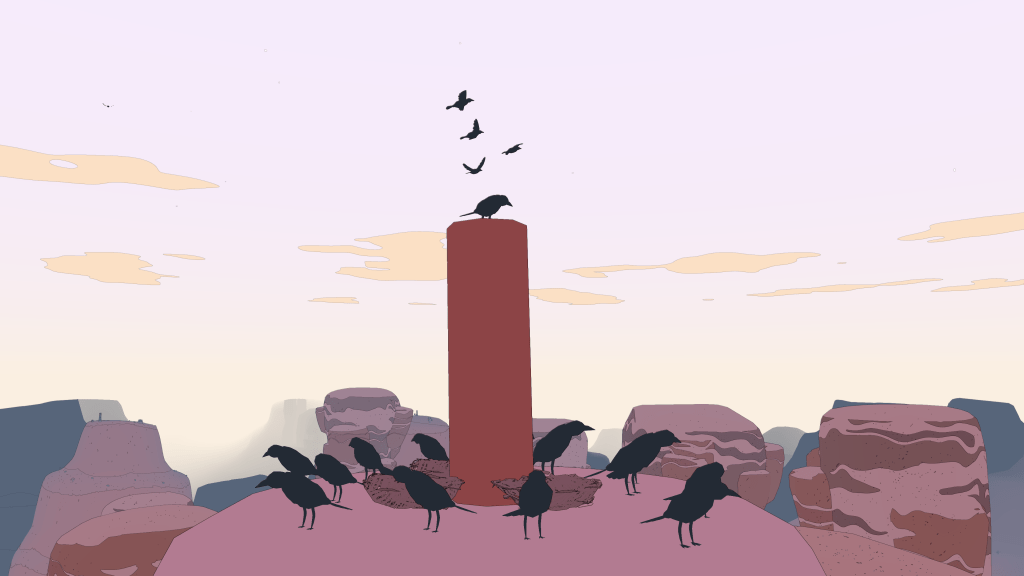
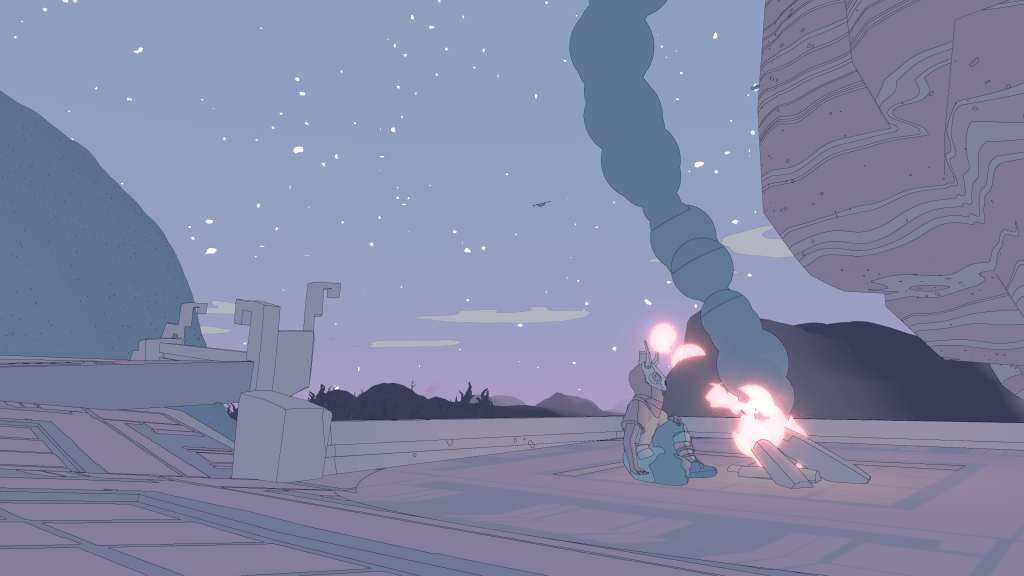
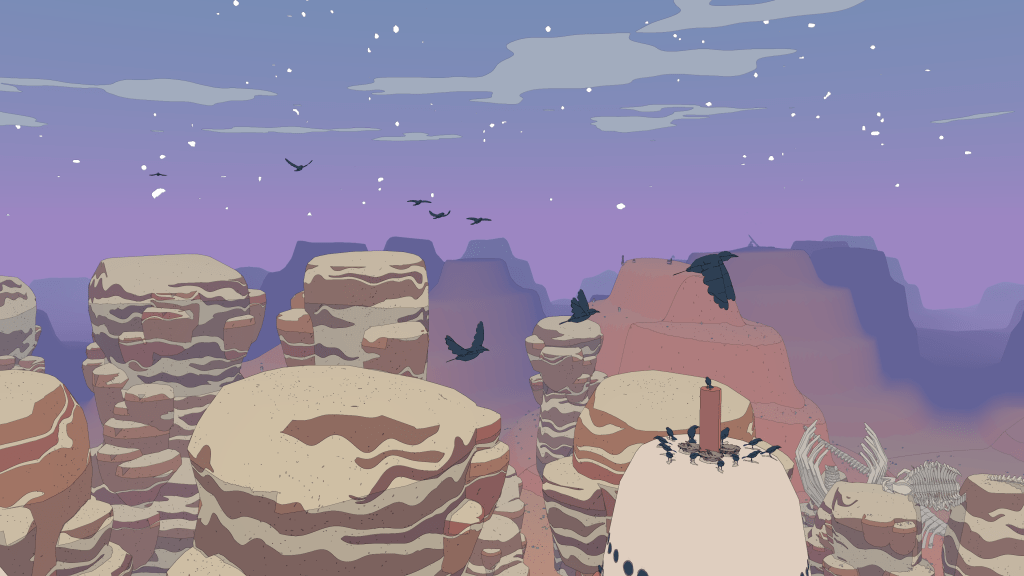
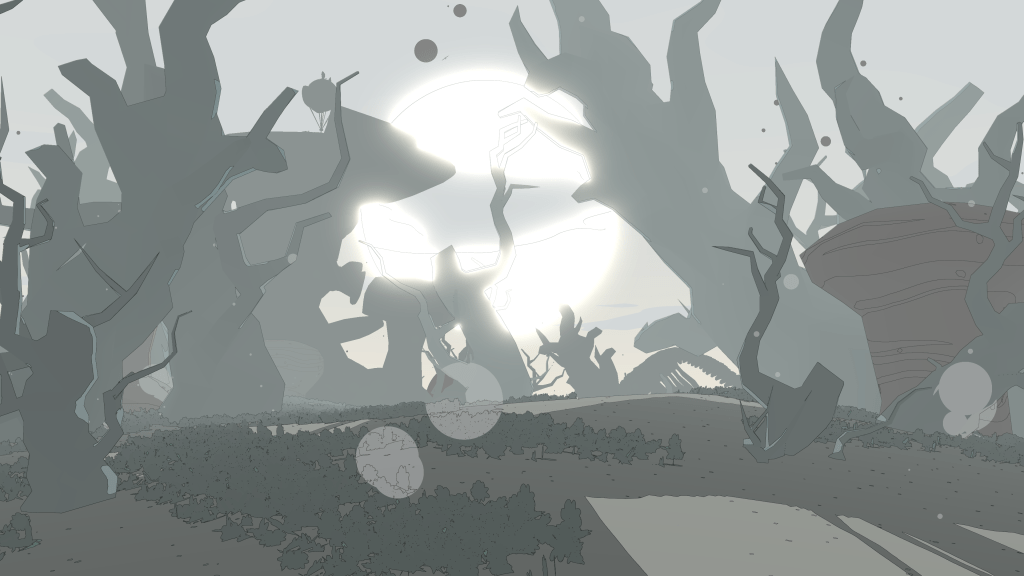
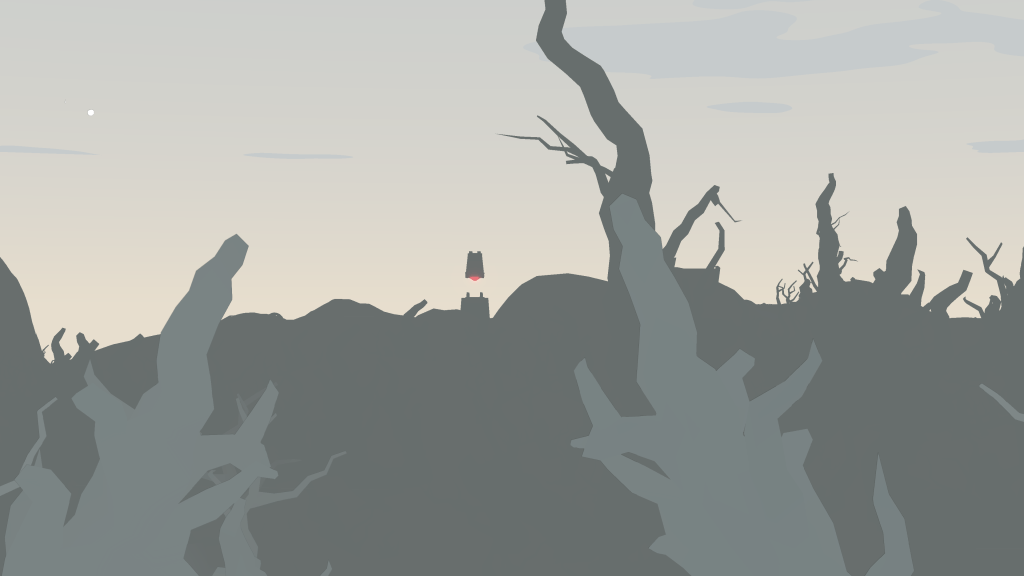
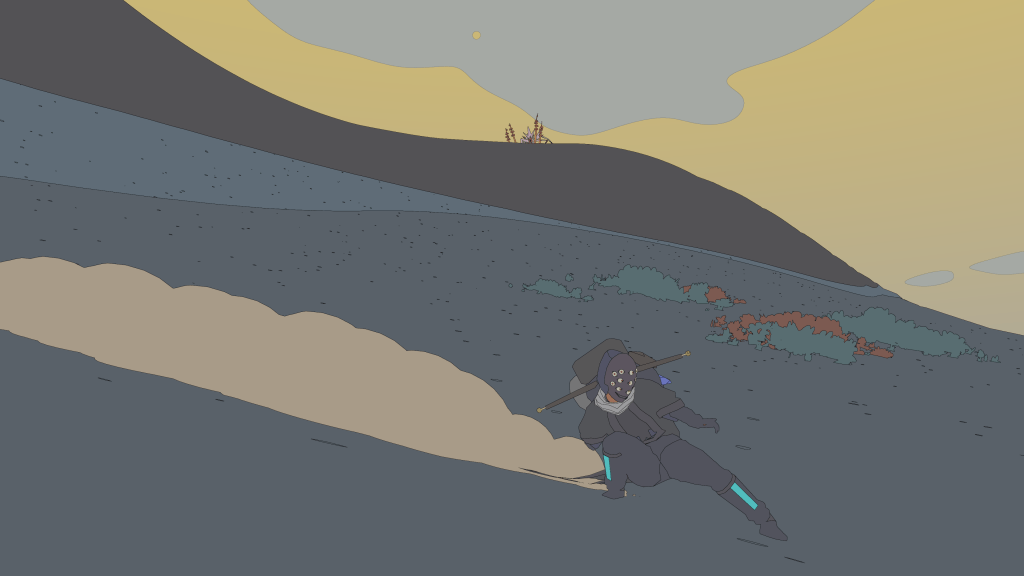
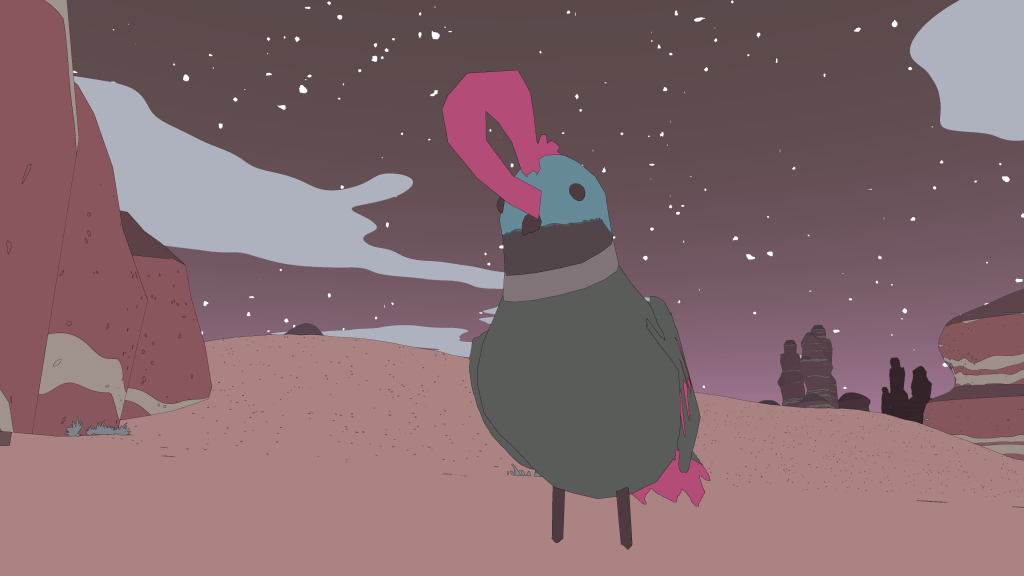
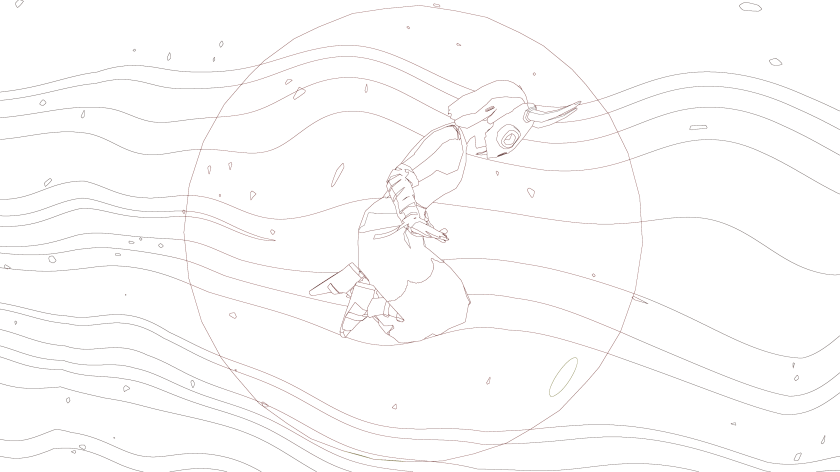
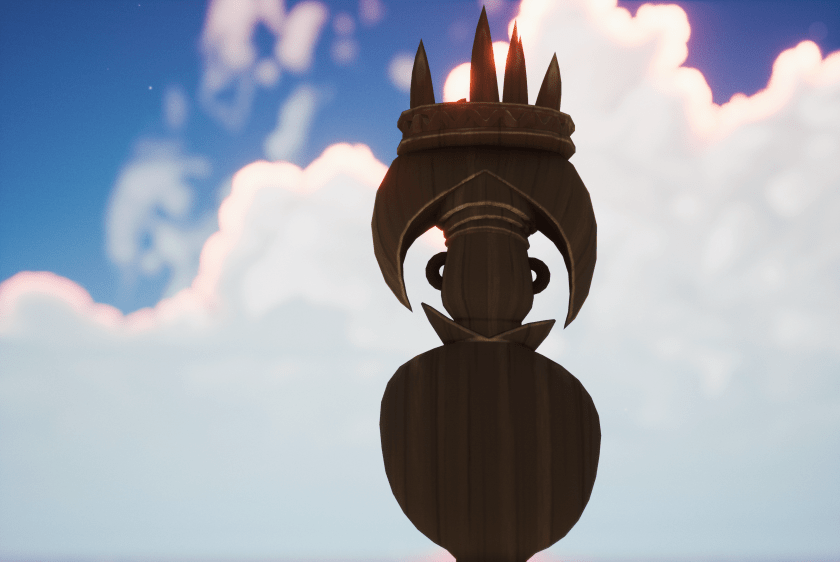
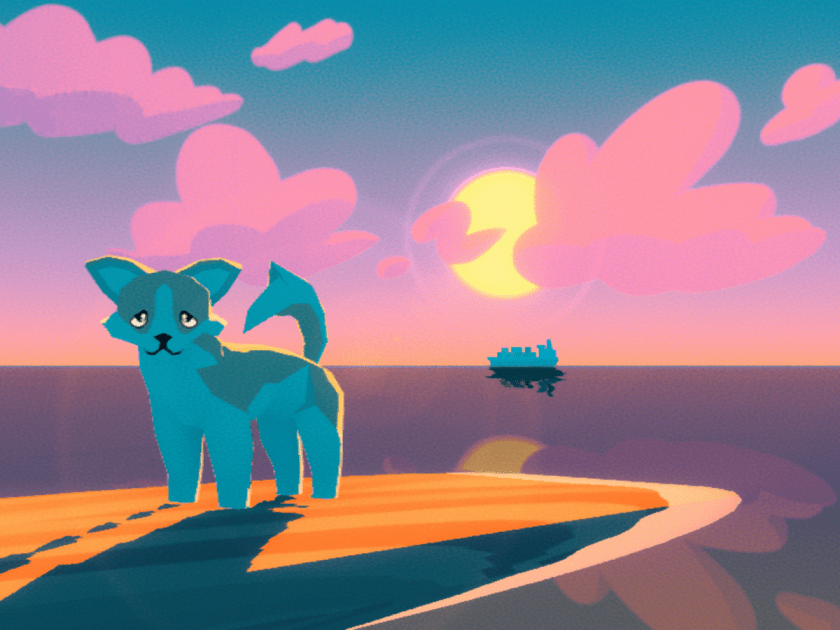
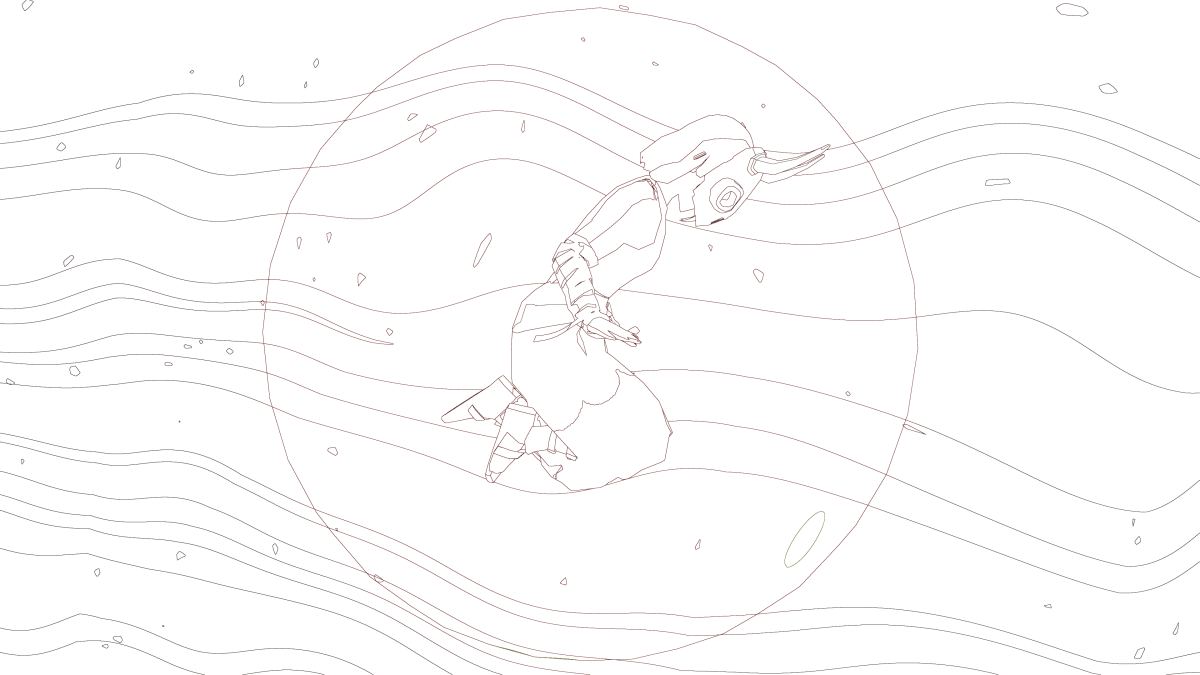
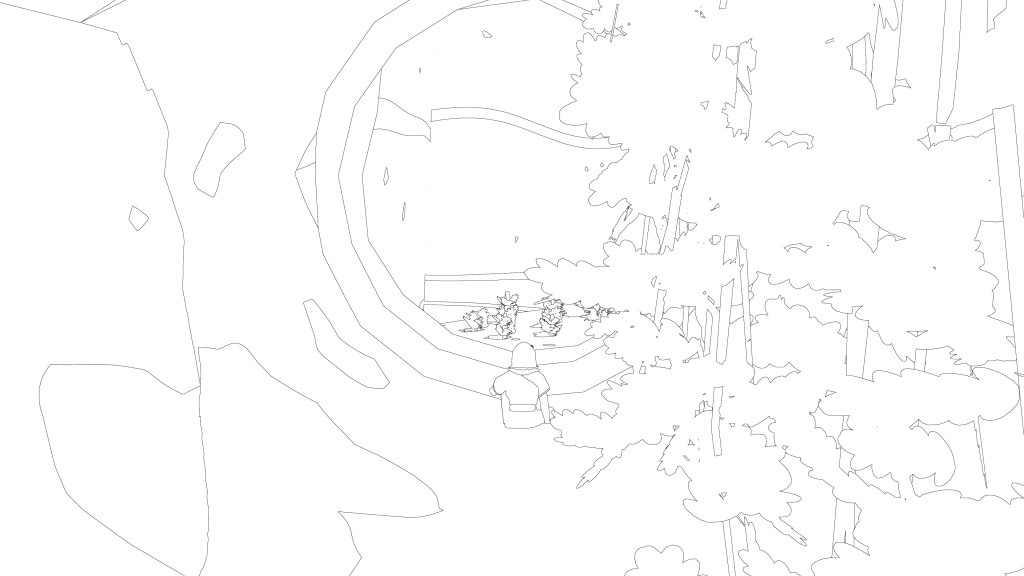
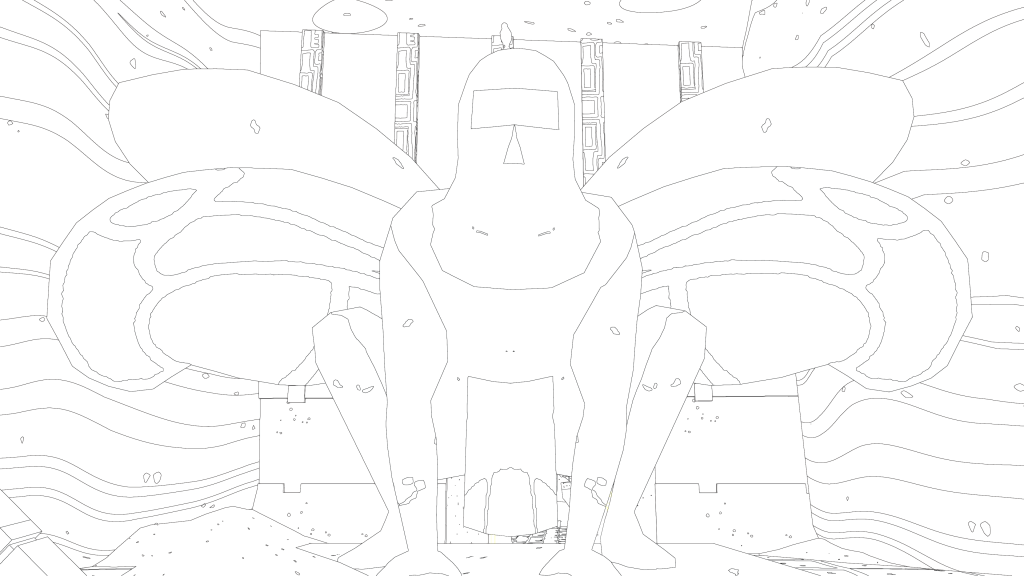
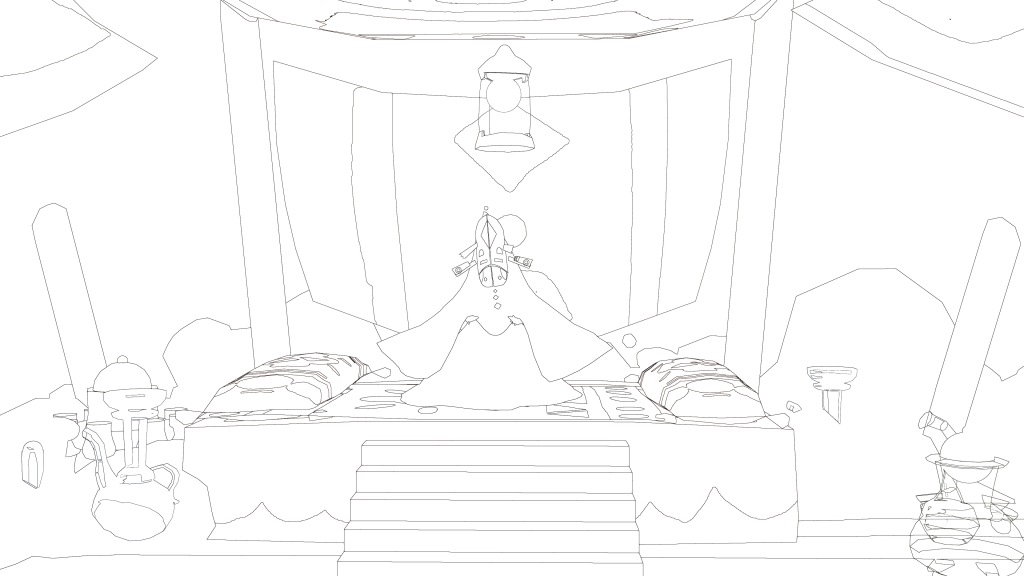
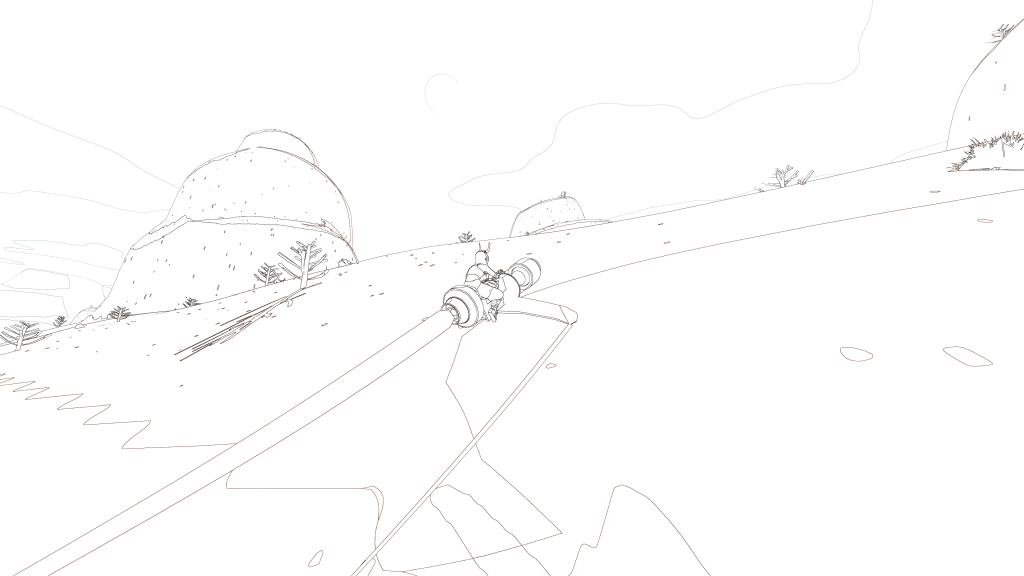
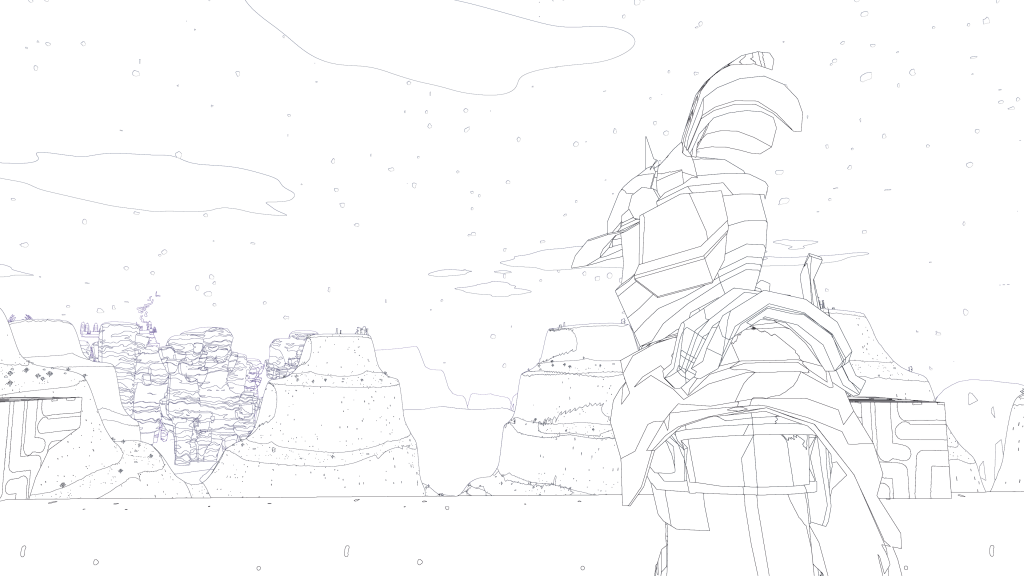
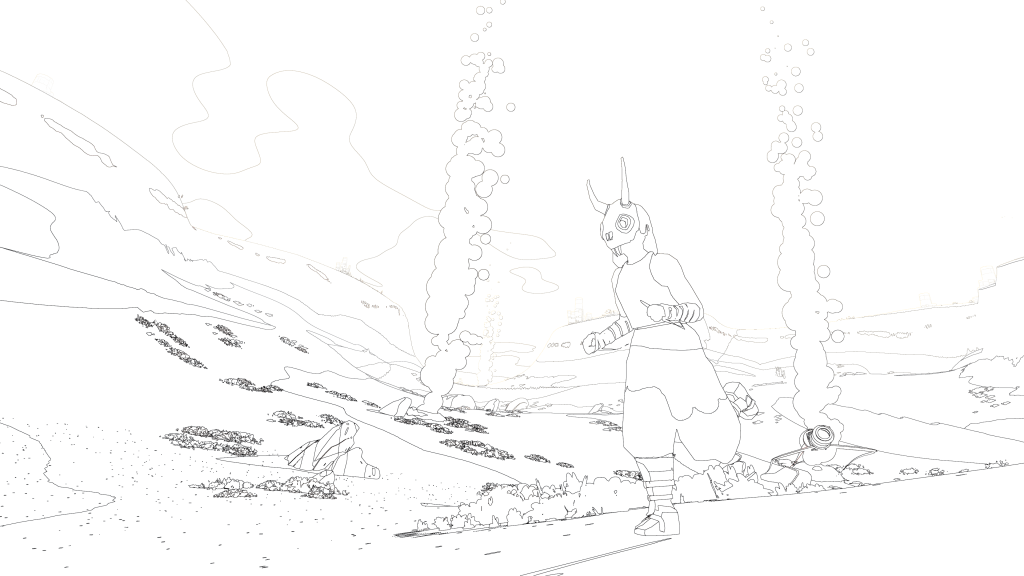
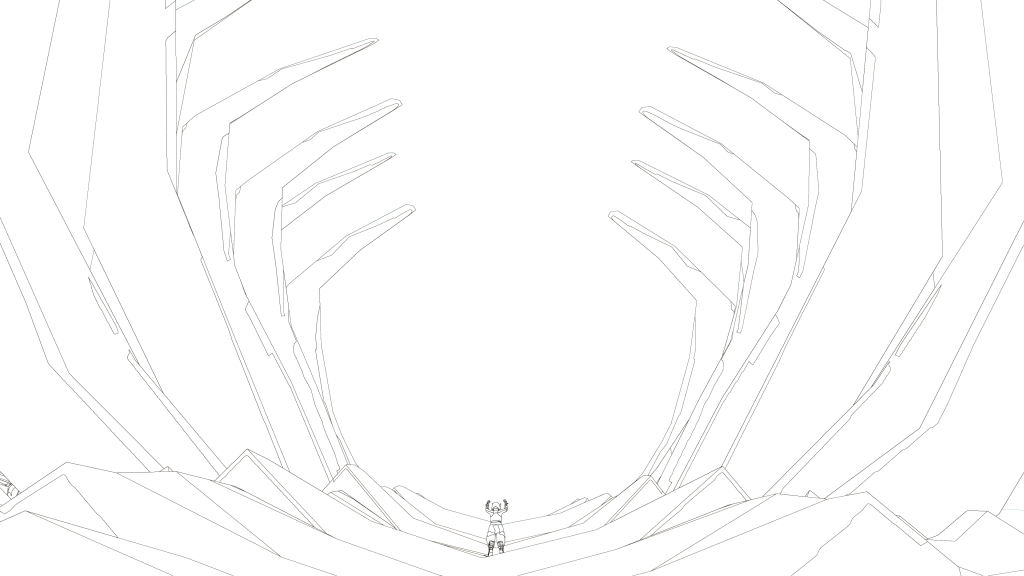
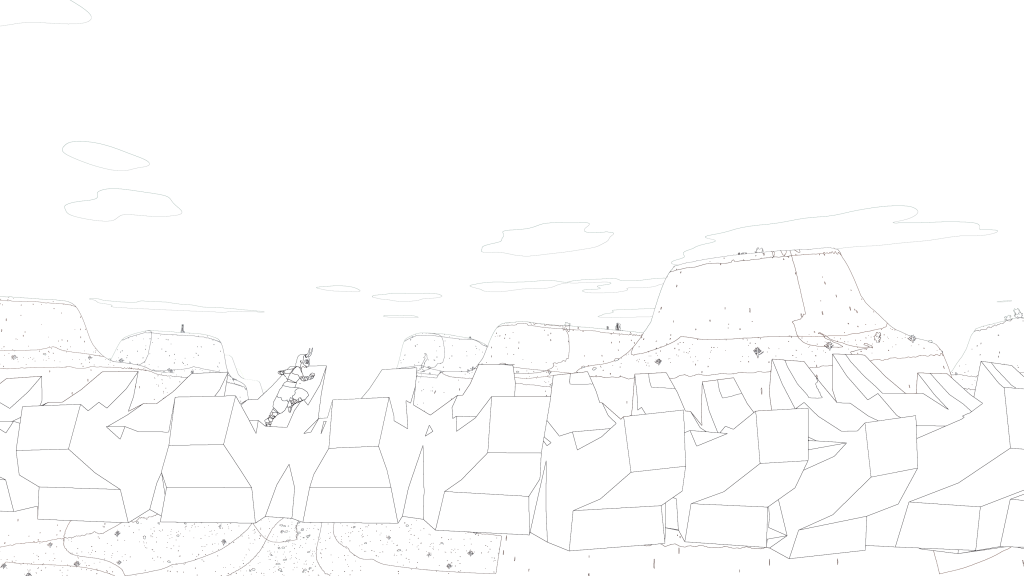
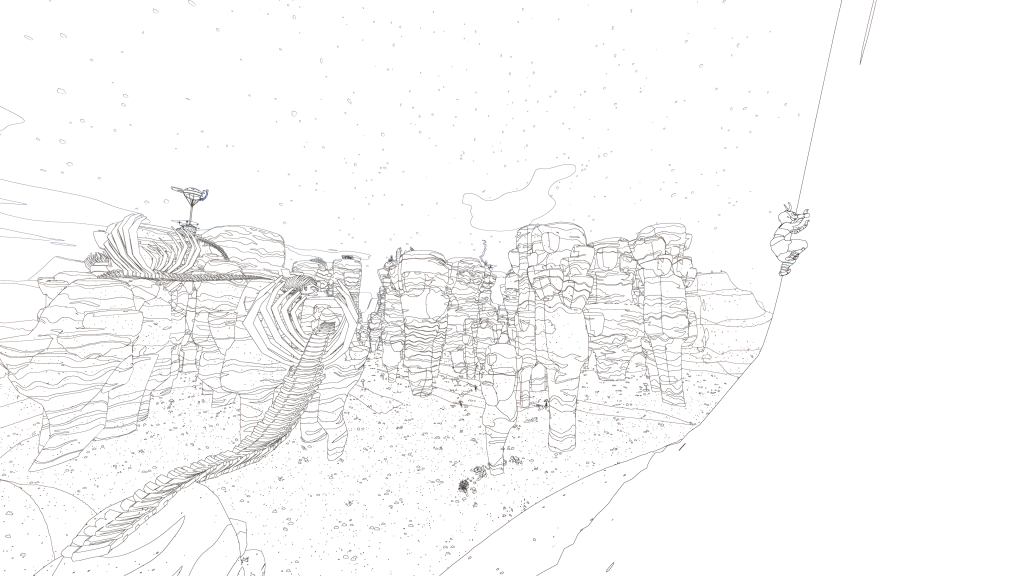
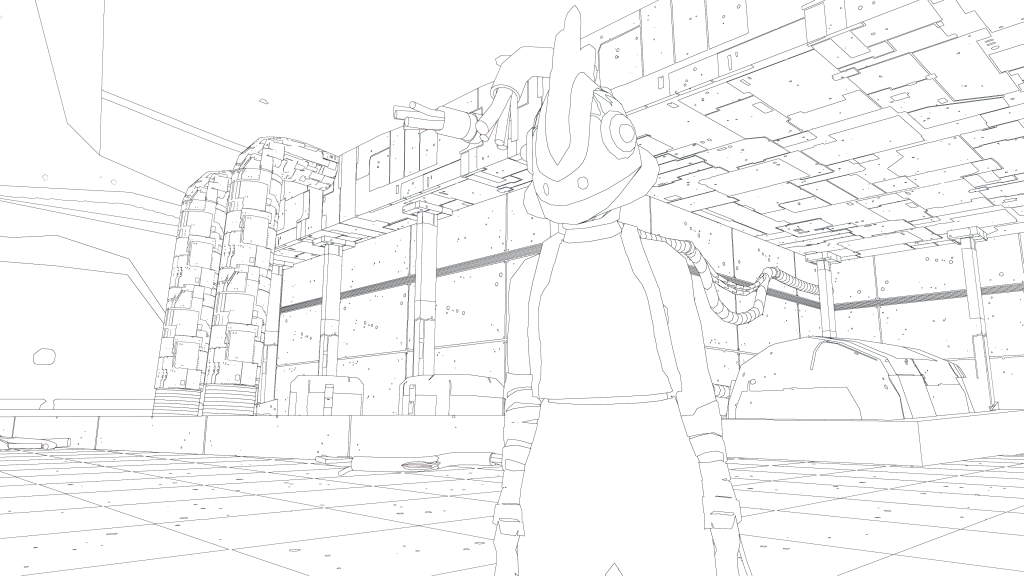
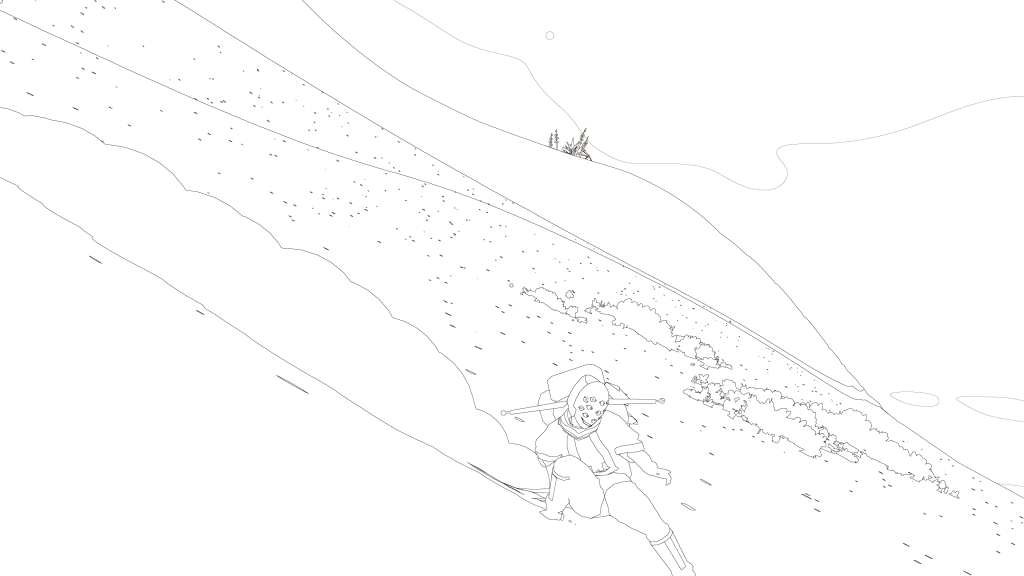
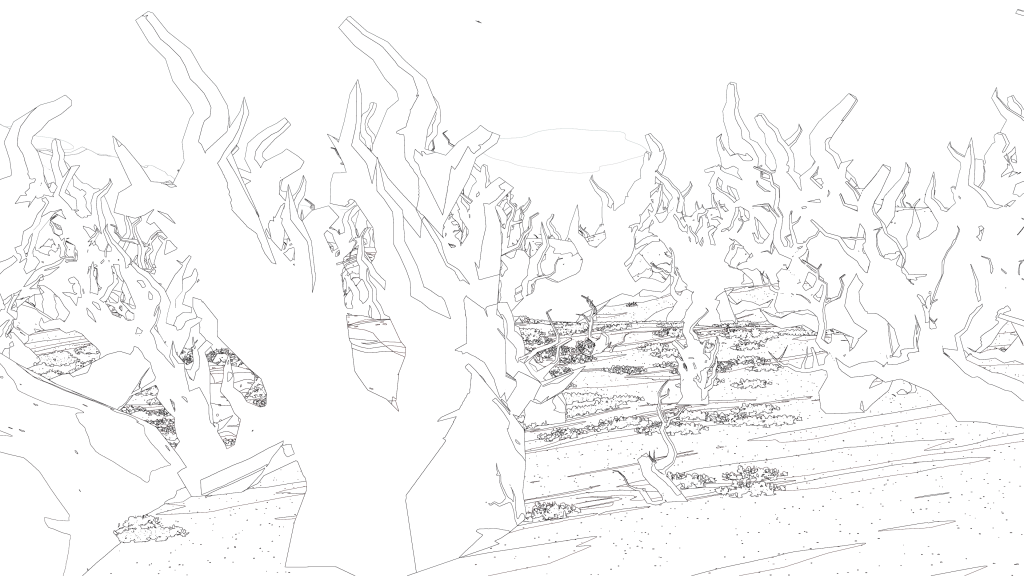
I took a lot of photos while I was playing Sable. As I explored the photo mode I found the ‘outline only’ filter and the thought immediatly spring to my mind – “I have to make a colouring book.”
Of course, it’s not a real book, but there is a full pack of images available to download if you fancy getting creative! Paint them digitally or print them first, it is up to you.
A relaxing puzzle game where you recreate towns from people’s memories. These people will give you written puzzles and to solve them you’ll be able to either modify the buildings or use different tools, such as one that makes wind, and many others. Each puzzle will surprise you in a different way.
Townframe is an incredibly lo-fi, chill game that allows you to solve the puzzles of friendly folks hometowns or favourite locations based on the clues that they share with you. You begin with a landscape acting as your canvas. It is your job to recreate their memories by placing the correct buildings or objects in the correct places, allowing a nostalgic glimpse into their past.
The game couldn’t be simpler to pick up, offering a point and click interface. There is no need for any extended tutorials as the game is self explanatory and the UI is as clear as it is pleasing. The soothing music is complemented by the pastel colour palette. It is bright but never harsh maintaining the soft, airy aesthetic throughout.
This not going to be a long game. The demo included 8 puzzles which took 15 minutes to complete, with no indication of how much more complexity to expect. For now, it feels like it is going to be a lovely, short puzzle game for a rainy day or for winding down for bed. I am thoroughly charmed and wish all of the best for the release!
Demo Length – 15 Mins At a glance + The colour palette. + The vibes are perfectly relaxing and nostalgic. + The UI is clean and clear. + Easy to pick up and play. +/- Total playtime will be 2-3 hours. +/- Puzzles in demo were very simple.
Developer: Sokpop Collective, Tom van den Boogaart
Release Date: 4 October 2024
A gardener gets hired for maintenance work over the weekend. A simple task, but strangely some tools are missing…The owner of the garden isn’t around, and their house is off-limits. Perhaps new tools can be found in the mysterious town, or maybe some of the reserved townsfolk have seen them?
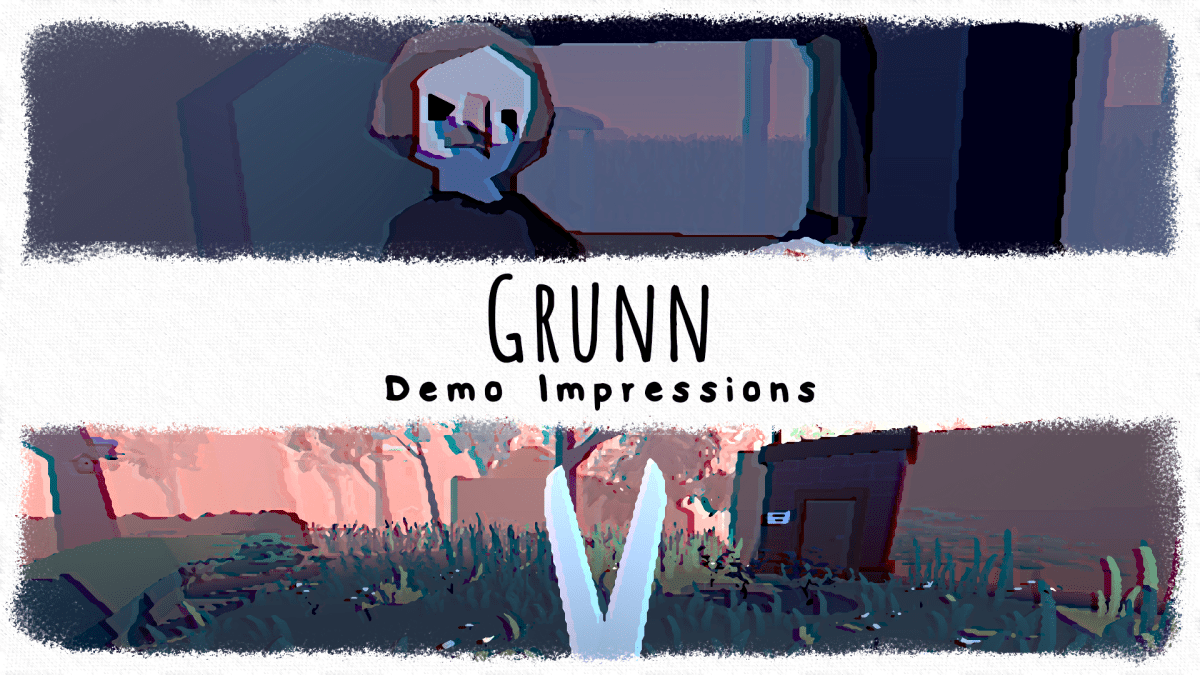
Grunn mixes together a type of game that I love with a type of game that I hate. Together, they become a genius concoction that I absolutely don’t want to play despite REALLY wanting to play. Let me explain.
I love a task simulator. Give me games like Powerwash Sim, House Flipper or similar and I can play them all day, getting myself into that hyper fixated state of ‘just one more task’. The entire idea of this genre – in my opinion – is to allow for a flow state, zoning out of your everyday life, keeping your hands busy and your dopamine bar full. No thinking, only doing. As soon as I begun cutting the grass in this slightly overgrown garden I instantly fell into this zone, my safe zone, forgetting any uncanny feelings I may have had prior. What a perfect zone to get someone in before intruding, pulling the rug and making their hair stand on edge.
In Grunn, we are hired to do some gardening. We are left some instructions, a deadline, and that is all you get as you are let loose into this sandbox of oddities. I am not going to spoil in which way this is a horror game, you will have to play yourself for that, but I will say that at one point I did squeal. Once you notice something strange, you may notice something else, until the things you are noticing are probably nothing at all. Or.. If you are like me you will just get on with the job you were hired to do, happily snip-snip-snipping away without a care in the world. Once you realise, however, that things don’t quite seem ordinary, the dread creeps in and the real game begins.
You have been placed into a playground and the world is yours to explore, experiment and tidy up.. or not. Every action you take, object you find or information you obtain will lead you to the next, adding to your knowledge banks ready to take action somewhere down the line. The game takes place with a running clock, which means you only have limited time to do what you need to do, and there is far more to do than you could achieve before the deadline. The time pressure looms as you make your choice on what you pursue. I recommend a notebook as you find yourself zipping around, following clues without context and discover leads that you may want to follow up on.
I found the games unique aesthetic to be a little jarring at first. The generally soft colour palette draws you into the initial ‘cozy’ atmosphere, but it never feels perfect as what can only be described as a surreal wobble obfuscates your environment. This can be turned off in the settings but I quickly got used to it, preferring to keep it on as a scapegoat for any potential peripheral movement that should not be, that I would rather deny happened.
The demo contains 5 endings, with the full game presumably adding many more. In my playtime I found 2, neither of which being the true ending of the demo. While I had ideas of more things to try, I decided to wait for the full game to puzzle it out. Maybe then, I will finally dare to stay out after dark.
If you enjoy weird and wonderful, subversions and curiosity, I recommend giving this one a go. Something is going on here, and it is NOT wholesome.
Demo Length – 1+ Hours At a glance + All in on the surreal aesthetic that can so easily turn creepy. + Tasks feel good to do and complete. + Freedom/No handholding. + So weird. + Multiple endings feel achievable in a game this length and densely packed. + Non-traditional puzzle game. + Contrasts cozy ideas with less cozy moments.
Slow is smooth. Smooth is fast. Fast is panic. Oops, let me repair that for you. Repeat.
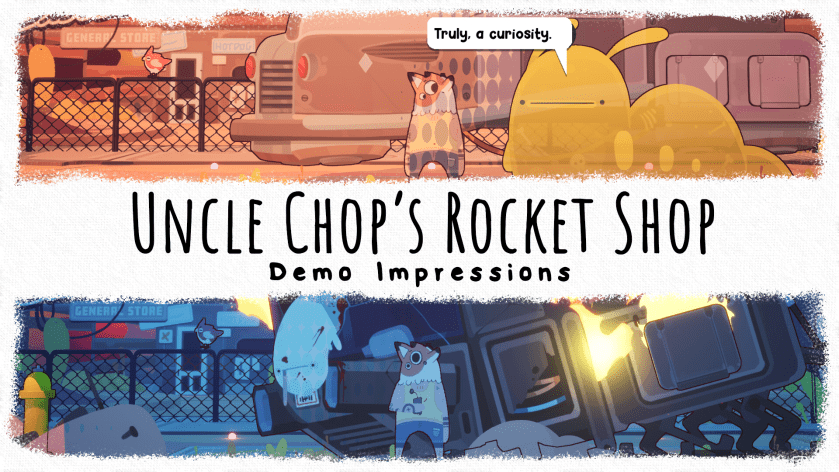
Uncle Chop’s Rocket Shop
Developer: Beard Envy
Release Date: November 2024
Come on down to Uncle Chop’s Rocket Shop, for all your roguelite spaceship repair simulation needs!
WARNING: Untested genre not suitable for people with tentacles for arms or an aversion to dying horrifically. Side effects include improved reading comprehension under pressure and a furry fetish.
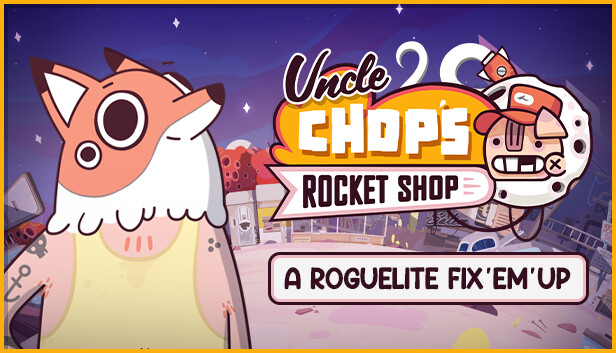
Uncle Chop’s Rocket Shop is a roguelite puzzle game that is built around minigames. We have been soulbound tasked to run the local Rocket Shop, and not only do passers by need their ships fixing to the highest standard for you know, safety, we have rent to pay and the better job we do, the more sweet sweet space cash we earn.
This is a game about problem solving, following instructions and being strategic where it matters. In focused mode you can take your time, meticulously getting to know the machines you are repairing and the components within. In frantic mode, the more jobs that you get done within a certain timeframe, the more money you earn. Personally, I enjoyed the idea of frantic mode, feeling reminiscent of games like Among Us, Tin Can, Keep Talking and No One Explodes and Papers, Please. However, for me, focused mode was the way to go, feeling more akin to House Flipper or a building flat pack furniture situation, allowing me to take my time, dig deep into the detailed and amusing instruction manual, and still somehow manage to do something wrong.
Not only does the gameplay have a high concentration yet flow state inducing element to it, the entire design is great. Everything is simple enough and clear to read, while also being very distinct and colourful. Everything you click on is responsive and makes visual changes that communicate to the player clearly. The design of the different aliens arriving at the shop and the vehicles in tow are creative and fun, the dialogue is funny, the random events that occur always made me smirk and I continued to be surprised at the new things occurring each run.
The game has run based progression that is erased when you die/lose, as well as a classic meta progression system that ticks over with you onto your next run. Dialogue and scenareos are slightly altered each run, adding more elements and allowing forward momentum as you get more familiar with the loop. It is the type of game where familiarity is going to help you improve equally as much as the upgrades.
The attention to detail is fantastic, the game play is silky smooth and my time with the demo was an absolute joy. I am going to be keeping an eye on this one for sure.
Demo Length – 2+ Hours At a glance + High concentration yet flow state gameplay. + Funny. + Polished. + Two key options for gameplay offer different experiences. + Keeps on giving. + The roguelite aspects feel seamless.
Resisting the urge to buy a trailer and a bunch of books irl as we speak.
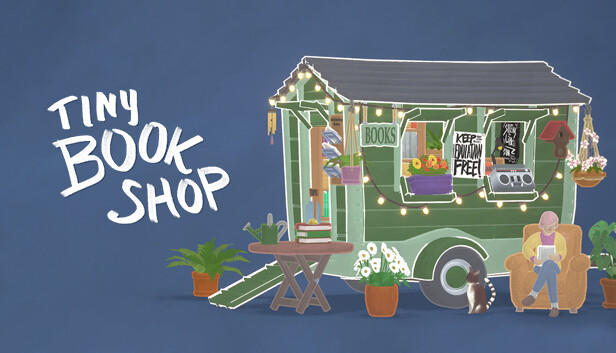
Tiny Bookshop
Developer: Neoludic games
Release Date: To be announced
Leave everything behind and open a tiny bookshop by the sea in this cozy narrative management game. Stock your tiny bookshop with different books and items, set up shop in scenic locations, and run your cozy second-hand bookshop while getting to know the locals.
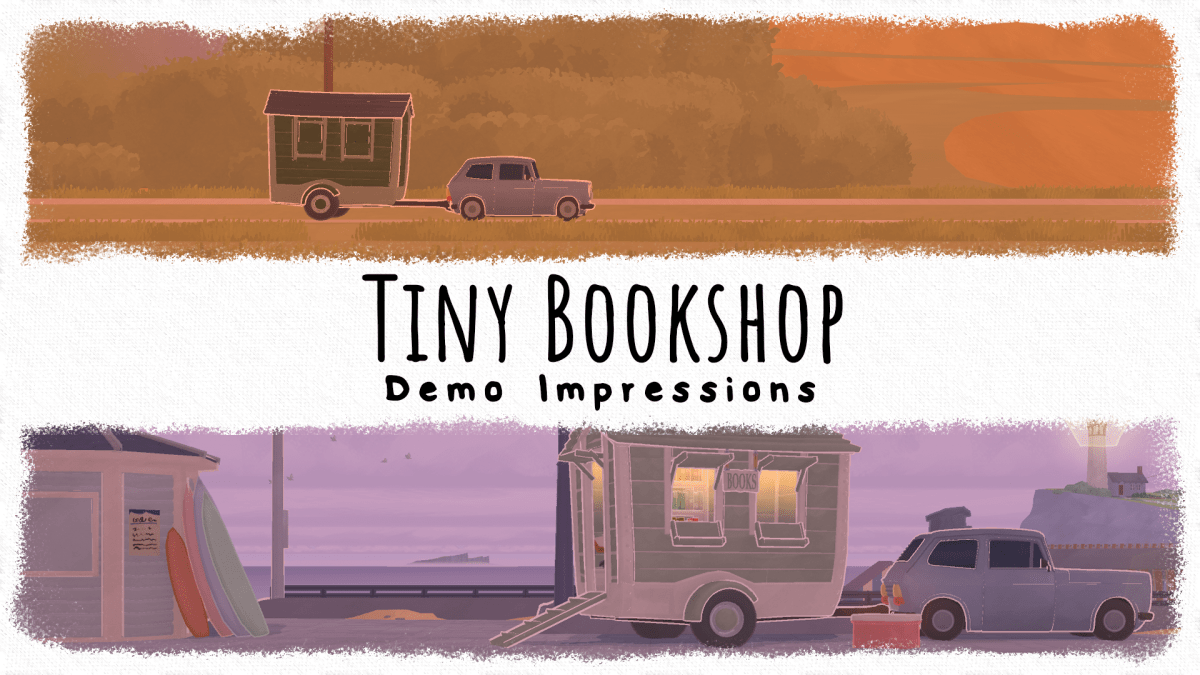
Tiny Bookshop is a cozy management sim about running your own portable bookshop from a trailer on the back of your car. I can’t express how pleased I was that the peaceful atmosphere was complimented by engaging systems, allowing me to live a fantasy that I never knew I had.
The game is not heavy on the management systems, or at least not from my time in the demo. This, in my opinion, is a good choice, allowing the player to fully absorb into the relaxing vibes. I didn’t feel the need to min-max everything, optimising my shelves in an attempt to wring my customers dry. Instead, experimentation felt key in these early stages.
On a daily basis you are able to manage your inventory, decor and location in order to sell as many books as you can in the most aethetically pleasing way posible. The books that you place on your shelves determine the chance that a customer will find a book that they like in the given genre they are looking for. If they successfully find one, they will continue looking, picking up books until they find no more that they like. While this is of course RNG, it feels so clever and realistic to the shopping experience. Sometimes you will go into a shop with something in mind and nothing speaks to you, or sometimes, you will find way more than you expected. Throughout the day as your shelves get depleted, it will naturally be less likely that your customer will find the book that they are after, but there is still always a chance.
Although it is RNG, we can affect the outcome somewhat with the choices we make and it still feels very nice when you succeed. In my case, one lady picked up 10 books. That was 10 coin flips in a row, except luckier as the 50% chance got lower every single purchase.
If the pleasing aethetic and breezy management wasn’t enough, there are more mechanics to the game. Visiting different locations is essential to build up your knowledge of the area. Meeting people will give you leads on new areas and events in the town. Reading the paper will allow you to buy more books as your stock runs dry, as well as decorations. I love the inclusion of the paper, not only as it narratively makes a lot of sense but it is also, on purpose or not, makes the game even more ‘feel good’ by being an eco-friendly business.
Finally, every book you have on your shelf is an actual book, written in real life. Chances are, you have read some of them. One fun way that the game plays with this is that throughout the day, customers will ask you for recommendations. They will tell you a genre, mood, preference, or specific things that they want or don’t want from a book. Then, it is up to you to scour your shelves, reading the descriptions to find a good match. Of course once you sell the book it is gone, so if you think that you have the perfect match for some one, you ought to hope no one has snatched it up in the meantime.
I went into the Tiny Bookshop demo expecting a pleasant way to pass half an hour but I got a lot more than I expected. It is an instant wishlist from me while I look up the price of trailers and have a peak at Facebook Market Place for book bundles, contemplating a pivot to a travelling librarian.
Demo Length – 30 mins At a glance + More to this game than I expected, while not being too complicated. + Aesthetically pleasing. + Lo-fi vibes. + Especially fun for book lovers. + Recycling. + Bookshop fashion.
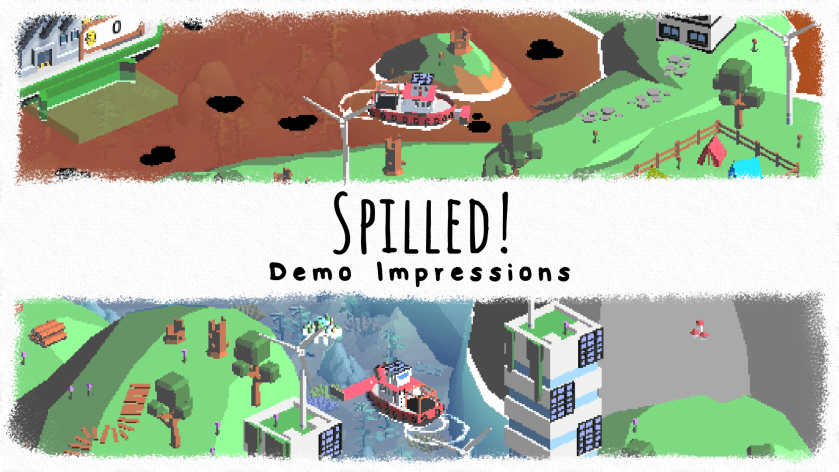
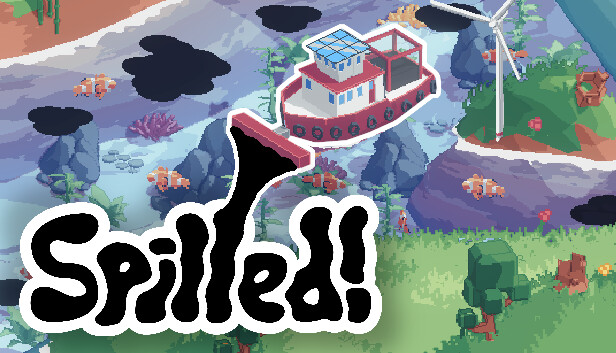
Clean up ocean waste in this relaxing & satisfying cozy game! Recycle, earn coins, upgrade your boat, repeat! Explore and clean up new areas with more waste and new challenges!
Spilled! is a breezy 10-15 minute demo that I recommend checking out if you enjoy flow-state, meditative games.
Upon booting up the game I was greeted with a very wholesome screen with a small amount of information about the developer. They are creating this game after leaving school to follow their dream, living from their savings while living on a boat! I honestly would love if more indie games would do this as I immediatly felt more of a connection knowing the story behind the game. This isn’t the entire reason for the recommendation of course. The game is zen, therapeutic and ran smooth as can be.
In Spilled! we take control of a boat, driving around clearing spillages and plastics polluting the water around us. The more that we collect, we can cash it in to buy upgrades for our boat, allowing more efficiency in our cleansing operation. The more that we clear the waters of the litter, the clearer they get in colour, giving us the real time effect of the efforts we are making and we can collect wildlife along the way.
Lente the developer, is very transparent about the goals of her project. This isn’t going to be a long game, but it is clearly made with love and I hope that the game sells well when it gets a release, allowing her to move onto further projects!
Demo Length – 10-15 minutes At a glance + A meditative experience. + Very pleasing on the eye. + Cleaning rather than fishing fits the wholesome feel. + A solo developer with an interesting story. +/- It is going to be a short game.
I’ll be your newly hired guy in the chair. How can I help you today?
The Operator
Developer: Bureau 81
Release Date: 22 July 2024
Welcome to the FDI. As our newest Operator, your role is to use your detective skills to assist our field agents and investigate mysterious crimes. Use cutting-edge FDI software to dig for clues, solve puzzles, and uncover the truth.
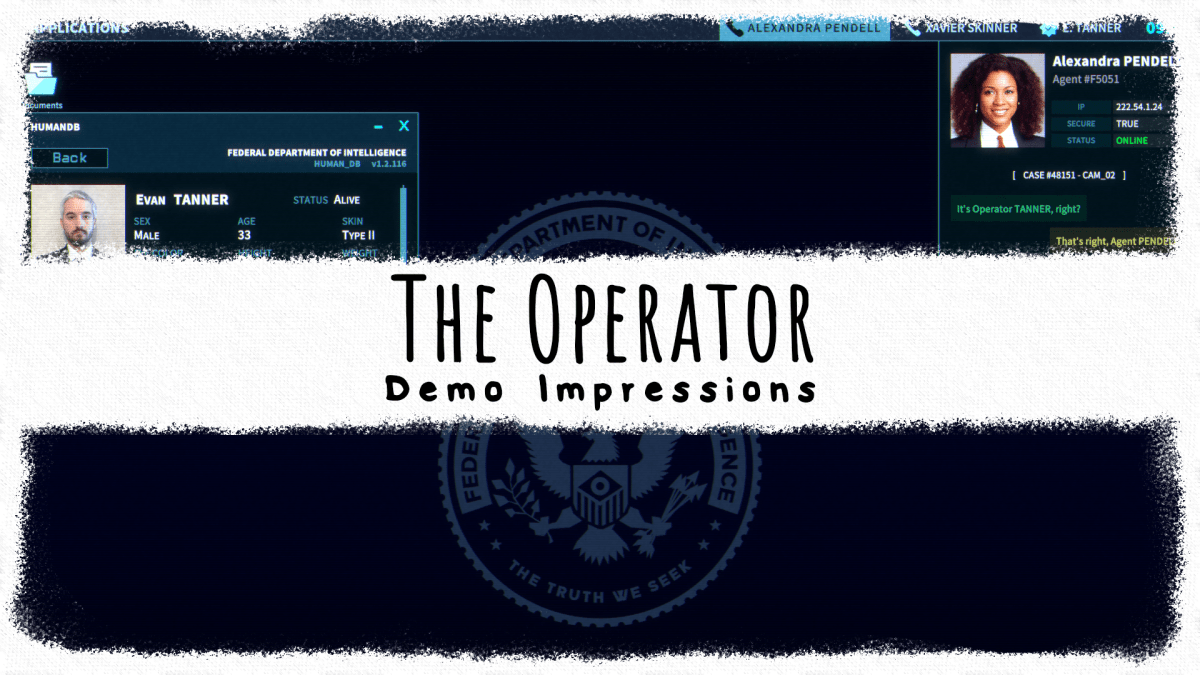
In The Operator, we take control of a high security computer, using the tools available to us – such as a person database, evidence files, photo and video analysis and more – to assist the agents that are out in the field.
I have played a few games that take place within a computer interface and I am thoroughly impressed at how this particular game has implemented it so far. In order to recieve files to investigate we communicate with agents via phone call. These are fully voiced and continue running regardless of whether we are listening intently, or furiously doing our own research in our other files. It is all transcribed and logged in-case you need to re-read and the dialogue itself feels natural and easy to follow.
At it’s heart this is a puzzle game. We are provided with information and questions, and it is up to us to solve the query, whether it is as simple as finding someone’s last known address, or a little more complex like pointing out discrepancies in a victims testimony. A notable point is that we don’t loose access to the previous case we were working. I am very curious to see how far they take this. Can you imagine the web of mystery that we could uncover, finding minor, seemingly unrelated details that weave together further down the line, unravelling a mystery that we didn’t even know we were trying to solve? Someone get me a corkboard and some string!
While the demo is brief, it told me everything that I need to know about how The Operator plays, showing that I am not in for a railroaded experience and will be required to use my brain in detective-like ways. Not only that, it laid plenty of ground to get me feeling very intrigued. The opening minutes of the game set a scene that is unexpected for a computer based experience, and the final minutes confirmed that there is more going on than meets the eye.
Demo Length – 30 mins At a glance + Polished. + Allows player freedom. + An unexpected but intriguing mystery. + Potential for some complexity. + Very user friendly. + Good voice acting and dialogue.
Here you can find all of my coverage of the Summer Game Fest 2024, including shows like Guerrilla Collective, Wholesome Direct and Steam Next Fest June 2024.
I already wrote at length about my first impressions of 1000xRESIST. Instead of rehashing that, I am going to talk about what I consider to be the games strengths. I would also talk about the weaknesses but I honestly have difficulty finding any beyond the slow start that I mentioned in those impressions.
The more you try to recommend this game to folk, the more you realise how difficult it is to define the genre. There is a surprising variety of touchpoints for comparison, but every similarity I point out is usually a specific tone or mechanic, rather that the game itself being similar to any other. Here, I want to talk about what this game does, and why it works for me.
+ Scope
I often wonder how people come up with stories like this. But then I read something from an AMA with the developers. This game is a fantastic example of using what you have to inform what you do.
A question was asked about what birthed the idea using clones. There were two answers, one we will get into later, but the second one stood out to me.
“The other thing was SCOPE. Yes, it meant we could focus on making the character model that we had, better!”
It’s fascinating how a creative decision so important can stem from such a technical, meta reason. I personally find that given all of the freedom in the world, my work will often be weaker than the work I had to do under restrictions, which could be why this resonates so much. Scope takes discipline, and while they could have decided to spend more time creating more characters, they made it a core part of the story, giving them more time to focus on the intricacies of the world they were building.
Thinking of it this way, it begins to dawn on me that there are a lot of reused environments too. Many of the places that you go, you will see again for one reason or another. However, there wasn’t a single visit to any of these locations that made me feel sick of them. It never got tiresome. Every revisit was repurposed so carefully that suddenly, fewer environments become a blessing, allowing me that familiarity that makes me feel more involved in the story.
+ Nature vs nurture / themes
Nature vs nurture is something that has always intrigued me. It’s not something that can ever be researched ethically, but the questions remain ever fascinating. How much of a person is in their genetics, and how much is their circumstance? What would the best of us be driven to under difficult circumstances? Could an evil person have been good? Is everyone capable of anything? Is anyone capable of everything? We will never know and it makes for an extremely rich setting for a narrative to explore. One thing that no one can deny is that we are influenced by the people around us, no matter how much we want to be, for better or worse, and that is explored well here.
There are two reasons why we wanted to look at clones! One, was getting to explore the classic thematic of nature vs. nurture. How much of how we turn out as human beings is because of things we don’t understand?
The game also took on many tricky themes that could very easily have been too much. Generational trauma, oppressive regimes, faith, sacrifice, ends justifying means, intent, justice. It was a lot, but never too much. Everything was handled with care and in a world where everyone is waiting for the next thing to be outraged about, I found the game handled everything with class, giving no ammunition to the folk who try to drag things down. Equally, it felt like a safe space to consider these delicate topics without judgement.
+ The Writing
As I mentioned in my first impressions, I didn’t like the writing at first. However, once I got used to the rhythm of the speech of these characters, I was finishing their sentences. I when I finished the game, I couldn’t remember the specific lines in some important moments, but I could hear their rhythm like a melody stuck in my head. And it’s believable. No one talks like this, but they do. It is another one of those bold choices that went well because they rightfully have confidence in the excellent quality of their storytelling.
+ Everything Audio
The music goes a long way to setting the atmosphere of this game. Every time I sat down for a session, hearing the melancholic tones had me immersed immediately, whether it was light, sombre melodies or a little heavier.
The voice acting is another auditory factor that solidifies this games identity. There are so many characters, all so similar and yet so different. The hushed tones, words spoken so softly yet carrying so much weight. It is all so intentional and commendable. The voice acting also contributes to the rhythm of the speech as mentioned above. Without it, I am not sure the game would have bled into my thoughts the same way that it did.
+ Visuals
The game does not have ‘impressive’ graphics. As in, don’t come here for photorealism or next gen aesthetics ala Hellblade. It is stylized. Sometimes, particularly walking around the hub area, the textures felt a little PS3 to me. However, I think any reasonable gamer, and particularly indie enjoyers, can accept that photorealism is only one choice in a medium that can achieve anything, and beauty can be created in other ways.
What this game does have is very impressive art direction and cinematography. It is ambitious in its style in every way except perfection. Colour is already an in game concern, but the use in a creative sense, alongside lighting, can be striking. Whether you are walking around a corner into a set piece, or being guided by a cutscene to see something new, the developers clearly had a vision and they did everything they could to put that on screen, succeeding with flying… colours.
+ Balance
1000xRESIST contains a huge, winding story, the likes of which is very rare to be told so comprehensively within a 14 hour experience. The reason that it is done so well is the balance achieved in the conceptual phases as well as the execution. This story is about disaster. It is about eras. Civilisations. But it is also about people. Individuals. It is about things much bigger than we can possibly comprehend, and it is about the nuance of being human within that. It never loses sight of either of these things.
+ Attention to Detail
Just because the scope was kept in check, that doesn’t mean there is a lack of anything. In fact, that is most likely the very reason that the game contains the density of detail that it does. Again, I am not talking about the textures or foliage. I am talking about continuity, and the stories that are being told indirectly throughout the entire game. It is worth looking around and talking to everyone that you find. You never know who or what will make a huge difference down the line. While it isn’t the focus of the story, I find there to be a bit of butterfly effect between the lines and it is really neat to identify the triggers that may change the course of history, no matter how small they seem at the time.
+ Respecting the Player
Possibly the thing that I found the most impressive above all else is the way that I felt respected as a player. In my initial impressions I complained that I felt I was supposed to care about something I had no understanding of or context for. I understand that decision a lot more as I have made my way through the game. The developers trust that you will come to understand, without any clumsy exposition dumps or codexes. We learn through experience, exploring the environments we are in, and observation. It is no coincidence that our main character is called ‘Watcher’.
Of course, there is exposition, there has to be, but it is weaved into the game so well that I never begrudged it. In fact I welcomed it as the more that I found out, the more that I realised I still wanted to know. There is even an exposition device written into the story in the form of communions, allowing us to learn about the history of the game world alongside our main character.
I felt respected in another way too. Throughout this whirlwind of heavy hitting themes, I never once as the player felt that I HAD to feel a certain way. These characters are flawed. They make mistakes, mistakes that we are making with them, whether we believe it is a good idea or not. Never once did the game then shame you for what you have done. It provides opportunities to think, but it never does the ‘What have you done?! You, the player, you did something despicable’ thing that some other games do. It could easily have gone down that route but I am very grateful that it did not and as a result it is a richer experience.
1000xRESIST appeals to the part of me that loves YA dystopian fiction. There is nothing wrong with that, but it also somehow feels very reductive. I think what I ultimately mean is that this is not going to be for everyone. For me, it came out of the blue, infecting my thoughts both in and out of the game for a while, but not everyone will have that experience. I think it is important to temper expectations, especially if you aren’t going in as blind as I did.
If anything that I have wrote sounds interesting to you then there is a good chance you will enjoy the game, but be aware that this is an immersive, experimental, narrative based experience. If that isn’t your jam then I don’t necesserily think this is the game that could convert you. My recommendation to everyone is that if you aren’t feeling the beginning, just like I wasn’t, try finishing the first two chapters and see if it grabs you. If it hasn’t by then it probably wont but that is a good amount of time to see some of the variety of storytelling on display.
One thing I do know is that I am not finished with this game.
This is a game about breaking barriers. Some characters giving their all to destroy them and some giving their all to stop them. But also the developers, creating a game that I can’t ever imagine a large studio having the courage to try. It is unconventional, it nails what it is going for, it is a breath of fresh (and emotional) air, and as I said in my impressions post, this is what indie gaming is all about.
Hekki Grace.
TLDR: + Scope + Themes + The Writing + Everything Audio + Visuals + Balance + Attention to Detail + Respecting the Player
Centuries of experience brings centuries of baggage.
Vampire Therapist
Developer: Little Bat Games
Release Date: 18 July 2024
Guide vampires through centuries of emotional baggage, decades of delusions and the odd bout of self-loathing with real cognitive behavioral therapy concepts and become a Vampire Therapist! Even vampires need a shoulder to cry on when a neck to bite just won’t do.
Vampire Therapist caused my brain such conflicting opinions that despite the game not feeling entirely for me, I had to write up some impressions. Generally, if I don’t completely vibe with a game then I don’t do a write up as indies need all the help they can get, deserve all of the love, and if a game is not for me that is ok, it is probably for someone else. This demo, just like life, had its peaks and valleys, and once I got to the summit I just wanted to shout about it, despite the trudging I felt I had to do to get there.
The complication with writing about my valley is that it is all about the tone of the game, which of course is entirely subjective. Horniness around vampires feels like a well established trope at this point, and while I believe it is supposed to contrast with any more serious tones occurring, I just personally didn’t find it endearing at all. If anything, it was a little off-putting. However, once I reached the meat of the game, it felt worth it.
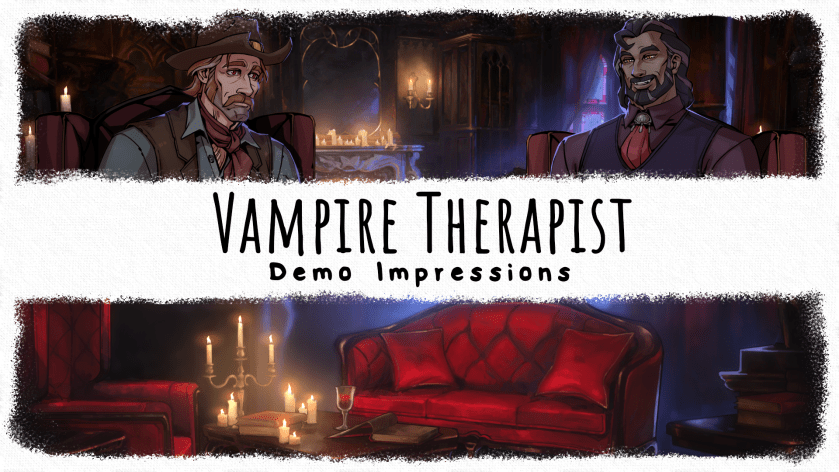
Vampire Therapist is a visual novel where we play as Sam, a vampire with a mission to help other vampires. Over his centuries alive he has met a few people and learned some things. He is now ready to pay it forward under the mentorship of an already established therapist. While part of me expected a meme game, it didn’t take long from this point to provide me with legitimate profound moments, suddenly making me want to take it a whole lot more seriously.
As Sam is chatting to his new mentor about himself, you are taught about certain thought patterns that can occur – generally unhelpful but sometimes involuntary habits that you may not even recognise that you are doing. The aim of the game is to recognise when your client is expressing these behaviours, identifying which it is and calling them out on it. In the demo I spoke to two clients, and since then I have also caught myself doing almost every one of these same behaviours in real life. That is what flipped my opinion of the game and made me want to play more despite not enjoying the rest of the style very much.
Anyone who has ever had therapy before knows that therapists can’t solve your problems. What they can do is give you a safe space to address things, and share tools, growing your own toolbox so that you are better equipped to deal with the challenges that face you. I feel like, so far, the game represents that really well.
Overall.. I could be bitter, deciding not to play or recommend the game as the tone is not catered to me. OR, I could take the parts that resonate, let go of my control fallacy enjoy the game for what it is, which for me is a thought provoking environment to practice healthy habits through entertaining stories.
Demo Length – 1 hour At a glance + Could help teach habits of checking and identifying your own thought patterns. + Very forgiving, these is no failing. + Centuries old characters have so much opportunity to have interesting stories. + Fully voice acted. + Recurring characters. + Treats therapy respectfully. +/- The tone.