More Ocean Photography




More Video Game Photography
















Sign up now to stay up to date with the latest posts!
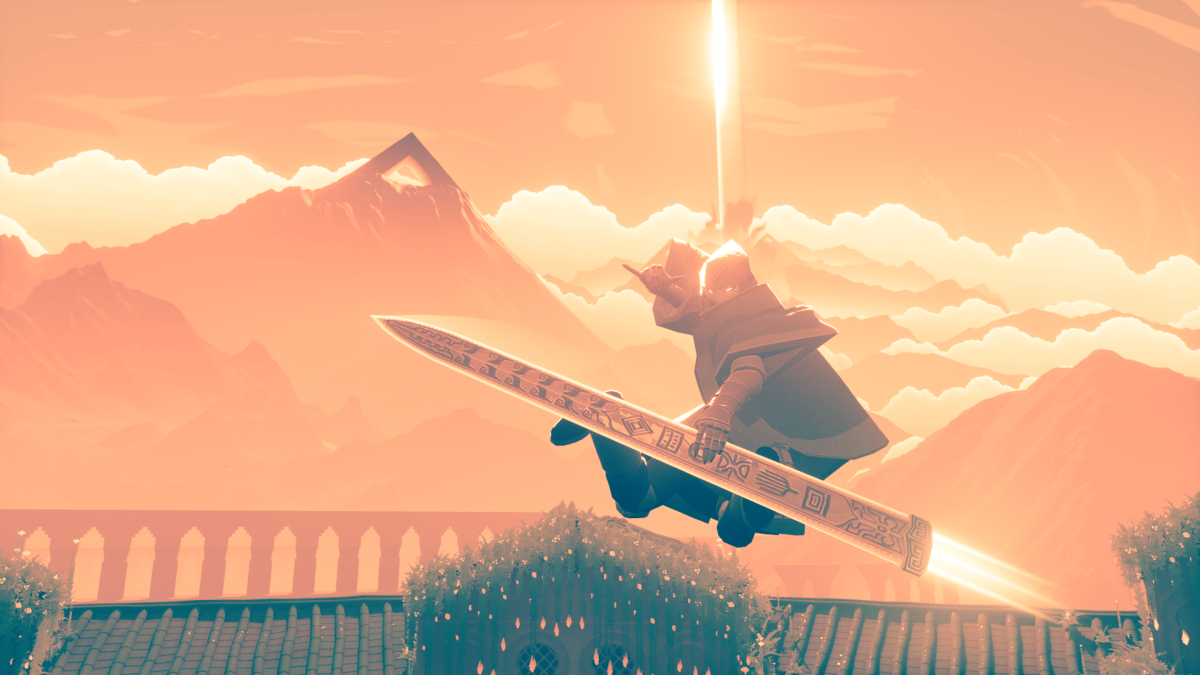
Sword of the Sea.
Sign up now to stay up to date with the latest posts!
Sword of the Sea.
Sign up now to stay up to date with the latest posts!
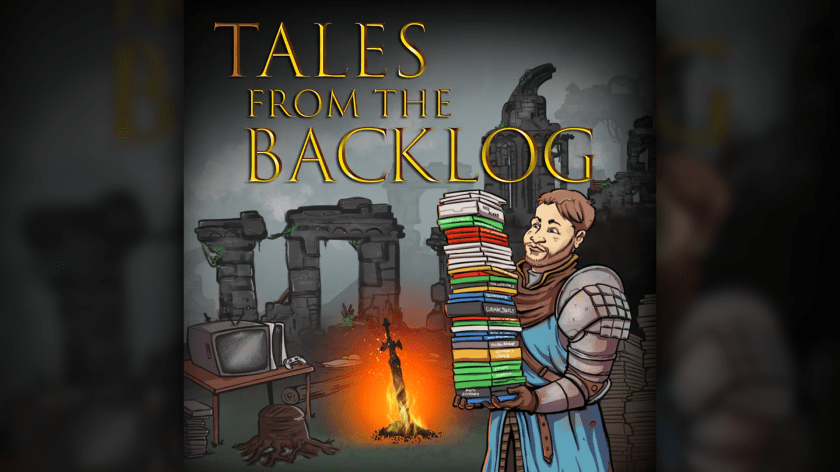
I was invited back onto Tales from the Backlog, except this time, instead of relieving my backlog of a game we talked about the legendary Backlog Resolutions Challenge!
Within Dave’s discord server lies a channel. Within this channel lies a google sheet. Each year, everyone gathers to this google sheet to create a Backlog Resolutions list: A list of games that you already own, that you may keep overlooking, that you pledge to play sometime in the next year.
Of course it is not that serious, and in this episode we look back over the year, what we played, what we learned, how we did, and how we are going to approach our gaming next year.
I thoroughly enjoyed being part of the Backlog Resolutions 2025 challenge, and I am looking forward to see where the lessons learned (or not learned) take me into 2026!
Thanks again Dave for having me on to talk about this really fun idea, that is growing into it a life of its own.
This episode aired on 07/01/2026.
I once again joined Dan on his podcast The Greatest Story Ever Played, this time to talk about the cutest game in the word, Lil Gator Game!
Initially I wasn’t completely sold on Lil Gator Game. The cartoonish visuals, the characters being children, and the ‘cute’ vibes from the marketing materials were triggering my ‘I’m not sure’ senses. But I am so glad that I ignored those senses and just dove in. It is was a joy through and through and I feel that ‘A Short Hike’ ran so that Lil Gator Game could fly.
This was my second appearance on The Greatest Story Ever Played after talking about The Quarry a few years ago!
Thanks again to Dan for having me back on, it was great fun to be able to gush about a game that deserves more credit.
The episode aired on 22/04/2025.
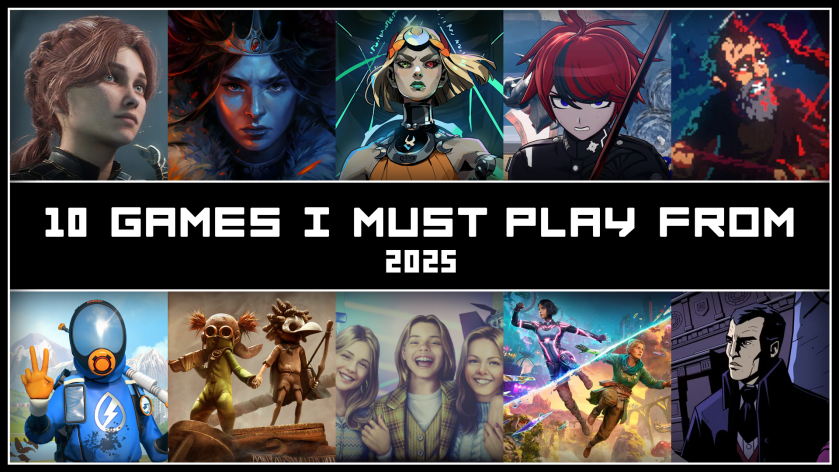
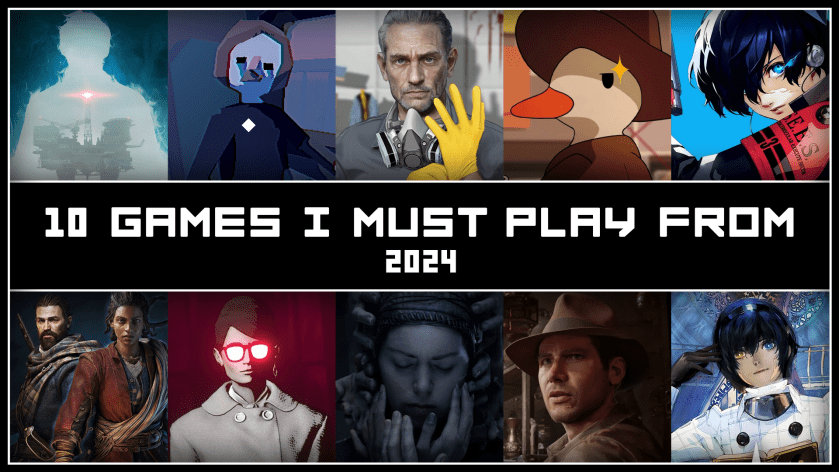
This is the list that I tend to feel most eager and excited to write, but I also find the most difficult, simply as I haven’t played the games to really be able to comment on them. All I have are vibes and the hype around them.
For these 10 games, the vibes and hype were so strong that they all shot straight into the highest ranks of my wishlist.
2027 is the year that I hope to be able to play more newer releases as they come. Until then, I will sleep soundly knowing that I have some phenomenal experiences awaiting when I get a chance to catch up.
Which games would you prioritise? Let me know!
This list is in release order, from the beginning of the year to the end!

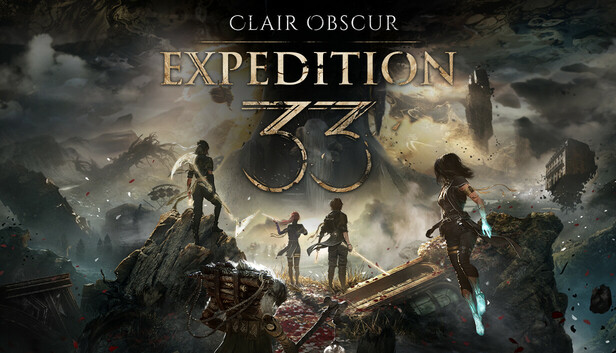
I mean.. I don’t know what there is to say. Clair Obscur..
I heard from a lot of folk that this game had them crying within the first 30 minutes with an incredible intro, and from then on I avoided hearing anything more like the plague. The hype came out of nowhere for me but the universal praise has got to mean something and I have got to know!
Thankfully, Clair Obscure this was one of my Christmas gifts, so it is on the cards for this year. I cannot wait to see what makes this game so special.
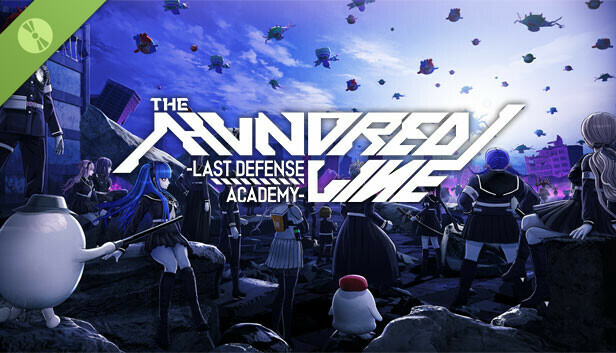
From the makers of Danganronpa and Zero Escape? That is all I know, and that is all I need to know.
When I am in need of something wild, weird and unexpected, this is where I will turn.
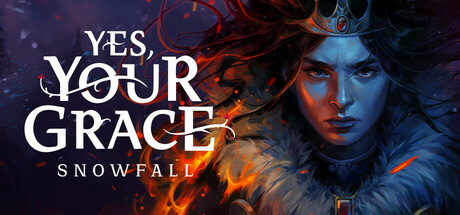
I enjoyed the original Yes, Your Grace immensely and bugs aside, I think it is an underrated gem of a game. I look forward to see where the story goes and how the mechanics are expanded on, or not. I also look forward to seeing whether I can even survive another season of being a ruler because after the last time, I am not even slightly confident that I can…
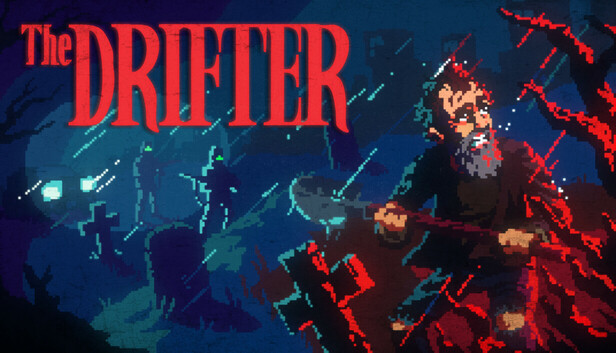
The Drifter is a game that has been on my radar for YEARS and I am so glad to see that it has finally released to fantastic reviews. The demo was full of intrigue and the atmosphere promised a gritty good time.
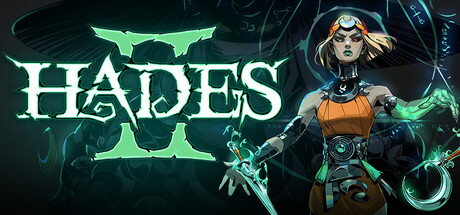
Hades is a classic. I streamed up until my first win and the entire process was such an entertaining experience. It was sweaty, stressy, trolly, and I enjoyed every second of it. I haven’t heard much about Hades 2, but from the snippets I have picked up here and there, I have reason to believe I might enjoy this one even more.
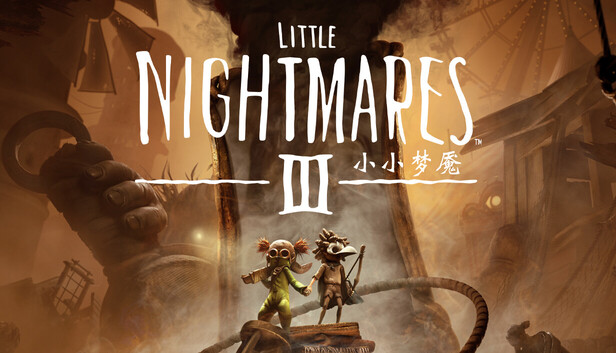
I loved Little Nightmares 1 & 2. I played both on stream which generally tends to dilute horror, but the second game in particular still made me regret every moment of my life that lead me to playing that game. In a loving way.
Little Nightmares 3 being co-op was like music to my ears, knowing that I never would have to go through an experience like that alone again. I also love Supermassive Games. This felt like an incredibly exciting match, until the game released to a reception that I would describe as underwhelm at best.
Still.. I would like to try it for myself and make my own judgement as a fan of the series.
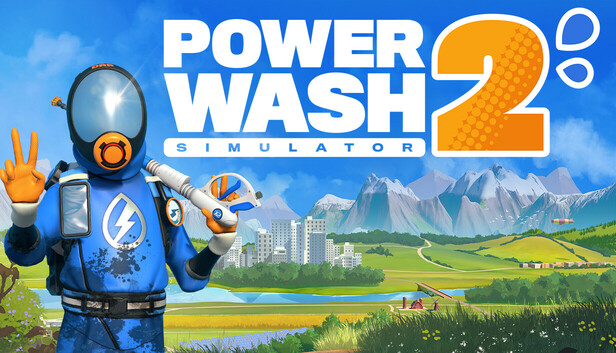
PowerWash Simulator 1 genuinely helped me through a difficult period of my life. I have talked before about the need for games that occupy your hands and half of your brain. This is the epitome of that kind of game for me, allowing consumption of podcasts, tv shows, movies, or in my case, an online learning course, while mindlessly cleaning on the side.
I am so glad that PowerWash Simulator 2 exists as I know there is sure to be another time where I need this kind of soothing, satisfying gameplay, and it will be there waiting.
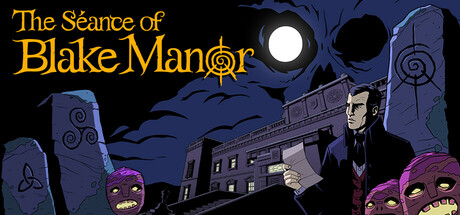
The demo for The Séance of Blake Manor was fun, and got me intrigued in the full game. The positive reviews got me even more intrigued and confident that I will enjoy the journey of this game beyond what the demo showcased.
How long to beat has this one at 15-21 hours which is beefier than I ever expected and it is another one recommended to Obra Dinn fans. Sign me up!
That is 10 games that I am desperate to play from 2025, but that isn’t even close to all of the game that I want to play from 2025. Here is a list of the rest of the games that I had to narrow this list down from.
Spoiler Alert: It was a good year for games.
That’s another year gone by and we can only imagine all that awaits us in 2026!
Sign up now to stay up to date with the latest posts!
Dave Jackson invited me onto Tales from the Backlog to tackle a game that has been on my backlog for quite a long time. The game we chose is Tacoma!
After finally experiencing the game, I would categorise Tacoma as an underrated gem and I am baffled that I haven’t heard more conversation of a game that, in my opinion, does so much with so little. I fear that it runs the risk of being relegated to other peoples backlogs in the same way that it was for me. Hopefully our conversation can move it up the priority list for folks as it is short, intriguing, and can be played at whatever pace suits you best.
Tales from the Backlog is a weekly games club style podcast with an extensive back catalogue. The first section of every episode is spoiler free so you don’t need to be worried about hitting the play button on a game that you are curious about.
Special thanks to Dave for having me on, it was such a pleasure.
This episode aired on 05/02/2025.
Upon reviewing my year of gaming, I got a feeling that I was almost surprised to feel. Underwhelm. I cannot remember a previous year that I have played so many games that I either didn’t gel with or flat our didn’t like. Considering the amount of incredible games released in the last few years alone, it has left me to question my priorities.
It makes sense in a year where almost everything in my life has changed. I have had much less time for gaming, and the time that I did have was spent craving low energy, easily digestible experiences. I no longer have scheduled stream time to make my way through the games I am curious about, and I also now have a regular co-op buddy, which feels like I am experiencing an entirely new side of gaming.
Thankfully, now that I am settled after my move and after doing some reflection, I feel my appetite for variety coming back and a change in my priorities on the whole as a gamer. Great games are being released at a pace that I can’t even possibly hope to keep up with, so for 2026 I am pulling back. I am going to spend less time chasing historically important or interesting games, and instead choose the games that make me excited in the here and now.
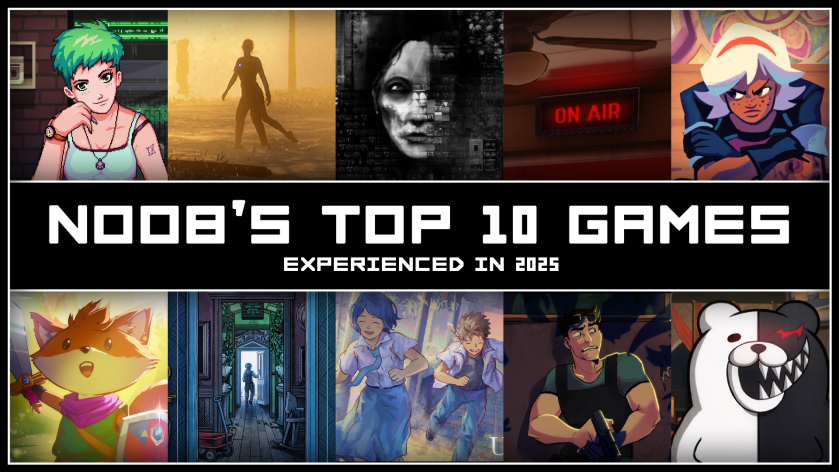
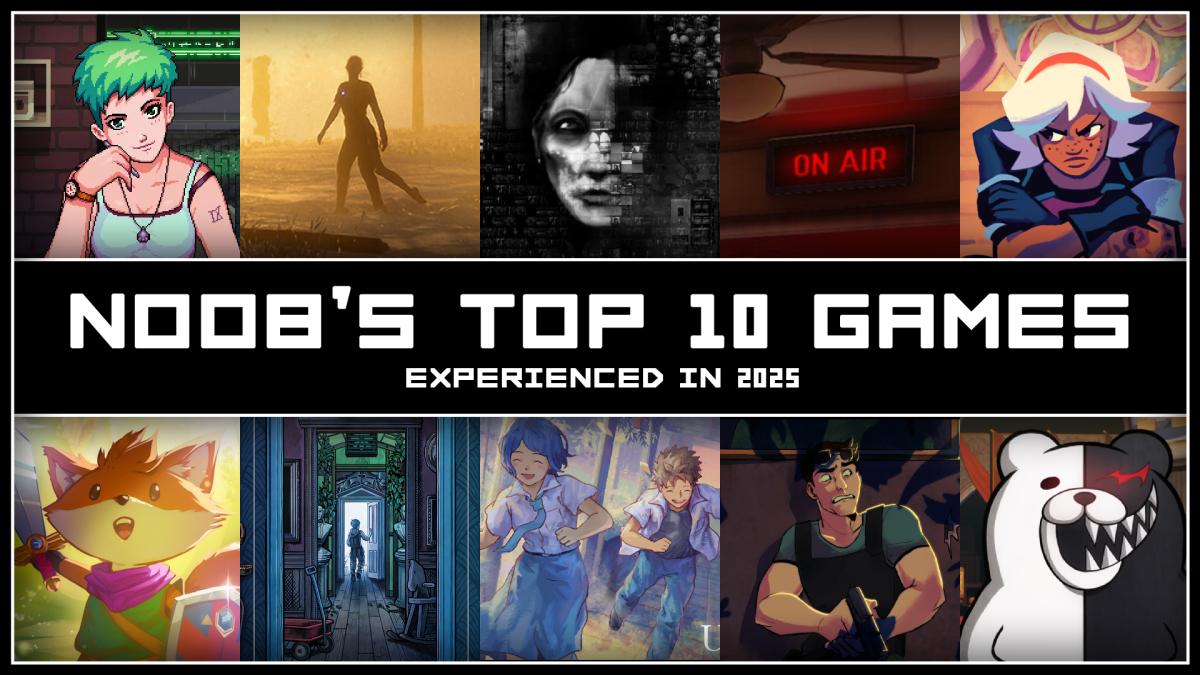
Here are my top 10 experiences of the year that provided so much grounding, inspiration, time passage and laughter throughout the insane year that was 2025.
I do my game tracking on GG App, you can see all 30 of the games I experienced in 2025 here.

I would like to establish early that I am not only ranking the games themselves, but the experience that I had with the games. Coffee Talk and Coffee Talk Episode 2: Hibiscus and Butterfly kicked off my gaming year at a time where I was sick with an awful flu. Laid on my couch, drifting in an out of consciousness, Coffee Talk patrons waited patiently on my TV for me to feel awake and well enough to serve another customer or two.
While this is not likely the intended experience, it was a case of the perfect game at the perfect time, and I will never forget the sense of comfort and company that the pitter patter of the rain, the lo-fi beats and the characters with their own problems gave me during a difficult and lonely time.
Also, fairytale/fantasy spilling into the world as we know it is such a fun setting. I want more of that in all different genres.
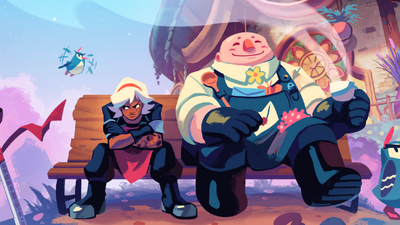
I got to play Wanderstop during my time with the LudoNarraCon 2025 games. I had already played the demo, and the full game did not disappoint. Every single content creator that I have heard talk about this game just got it. And I was the same. This is a game about burnout, and about self care.
Sometimes the game wasn’t exactly what I wanted it to be. It didn’t allow me to play in the way that I often like to. Doing everything at once, optimizing production and collecting everything I possibly can. It forces you to slow down and to only do what you need to. You can do more if you want, but only if you want to without any other agenda than enjoyment. This game is a statement about letting go and moving on, and little did I know that it was preparing me in a huge way for things to come in my own life.
The experience as a whole is a masterful of combination of a game amplifying its point through its mechanics. It might be the best example of this I have ever played, or at least the most useful and relevant one. In the end it wasn’t the characters that ended up staying with me, or the tea. It was the lessons that were forced on me by the act of continuing to play the game. And forcing myself to continue playing the game because I knew how much I needed these lessons. And I was right.
Finally, it would be a crime not to shout out Boro. What I wouldn’t give to have a Boro in my life. He is truly the best of the best and I am glad to have met him.

Danganronpa 1 & 2 were such a journey, and not always a positive one. These games are so difficult to recommend with all of the caveats I feel like I need to explain. But despite that, they made it onto my top 10. In a year that I felt the need for light, low stakes games, these games delivered. I mean.. the stakes are high for the characters, but for me they worked perfectly as popcorn thrillers.
I can’t say I really enjoyed my time with Danganronpa 1. I didn’t like the mini games, the characters were difficult to like, and by the end I found the individual cases a lot more satisfying than the overarching plot. I was almost put off playing the sequel, but I reached a time in the year where I needed something familiar but new, and that is where Danganronpa 2 stepped up.
The sequel was so much more enjoyable than the first in every way. Having already learned the gameplay loop from the first game and knowing that I needed to set it to easy mode for a more enjoyable experience, it was much easier to dive in and immediately embrace and enjoy the wacky nature of everything that was going on. I found much more joy in theorizing this time around, and while the end fell flat for me, I spent so many more hours enjoying what I was doing that I do have the desire to try the third game sometime.
Monami was also a fantastic addition who I adore with all my heart.
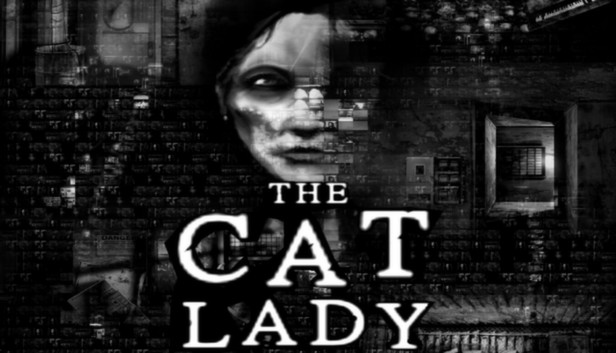
I started The Cat Lady a long time ago. I played for a couple of hours, which was just long enough for it to be a gut punch when the game crashed and lost my save file. Years later, I finally felt ready to give it another go.
It is sad, depressing, harrowing, and goes to some really dark places. While there could be a conversation to be had about using these extremely dark ideas mostly for puzzles and vibes, I personally switched off from that and decided to embrace the atmosphere and allow myself to be entertained. At the end of the day, it is a horror game and the surreal and very real mixed together set a tone that I could really get on board with.
It feels strange to talk about enjoyment in a game with such distressing content, but I really enjoyed the puzzles. It is not often that I make it through a point and click adventure without a guide, but I managed just fine and enjoyed the variety that each chapter brought.
I am glad I finally have this one under my belt after enjoying what I played all of those years ago.
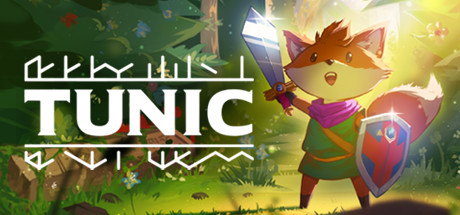
Tunic is a game that I knew I wanted to play ever since I played the intro during my 12 Days of Game Pass series. But for some reason, I put it off and put it off and put it off. I almost missed it this year but as I was reaching the end of my Backlog Resolutions list, I was left with little other choice than to finally give it its fair shot.
It didn’t take me long to turn on invincibility mode and the further I got through the game, the more justified I felt in my decision to do so. While the combat will definitely be for some people, it wasn’t for me. I do think it is important to note that this game stands up perfectly well as an exploration and puzzle game without engaging in the combat any more than you need to. If said combat would be a deal breaker for you, you need not worry as there a numerous accessibility options to tailor it to your prefered difficulty. And I urge you to do so if that is at all a concern to you. It would be the biggest shame to miss out on such a uniquely crafted puzzle experience.
I had heard that there was something special about Tunic and as I got further and further into the game, I was slightly concerned that I was not catching onto what that was. If you find yourself in the same boat, just keep playing. The giddy relief and excitement when I finally did get it is why I would recommend this game to anyone that gets a kick out of puzzles. I haven’t played another game like it and I am not sure that I ever will again.
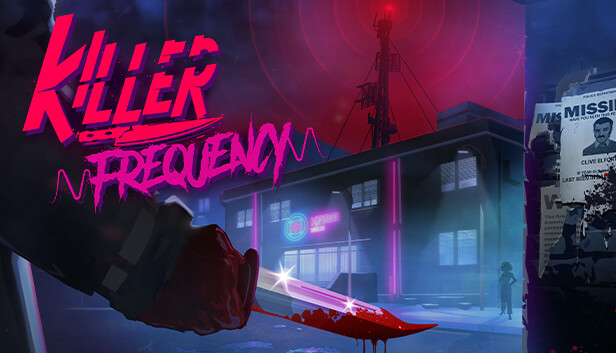
Killer Frequency severely exceeded my expectations. Could there be a more silly premise than this? You are a small town radio host, and something happened to the police so 999 calls need to be redirected to your radio station, on the night that a serial killer is on the loose. It is so beautifully dumb and that is what makes it so great. If you enjoy B horror then you have to play this game.
The fate of every caller lies in your hands as you try to solve the puzzle of their survival, live on air. Success is not guaranteed and failure can be fatal for the poor, unlucky caller who received you rather than any other competent emergency service. You are doing this while trying to solve the mystery of the serial killer, and most importantly, keeping the station running smoothly.
I streamed this one and I do feel that it enhanced the experience even more. Live streaming my live broadcast of trying to help people during the worst moments of their lives proved to be both stressful and somehow absolutely hilarious. Not forgetting that we are also situated in the same town as the ongoing massacre. Tension was high.
Games like this are a prime example of why I like to try games for myself regardless of the hype level. I haven’t heard much discussion around this game but yet it provided one of my favourite experiences of the year. I wholeheartedly recommend getting together a group of friends and playing this for Halloween. You are guaranteed stress, laughs, drama and a good time.
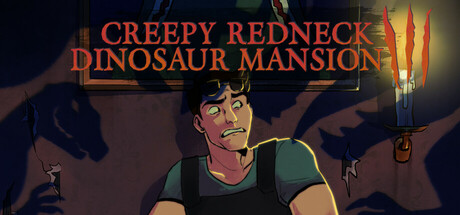
I talk a lot about underrated games. I think Creepy Redneck Dinosaur Mansion 3 is the most underrated game of the year, if not one of the most underrated games that I have ever played. I went in with no expectations. The only reason I even booted it up is because I had promised my Twitch chat a meme stream of LudoNarraCon 2025 games with silly premises. I played the first hour (alongside Building Relationships and A Week in the Life of an Asocial Giraffe), and it was an absolute hit.
I cannot sing this game enough praises. The writing is clever and hilarious. It isn’t just the typical ‘lol meta’ jokes that I have come to see so often playing through as many demos as I do. The entire game feels like an extended bit that just keeps on giving all the way through to the very end. Not only that but the gameplay itself is fun too. They turned Match-3 into a super fun turn based battle system that never gets tiresome as every fight is different, tailored to the circumstances you are in. The branching narrative is fun to navigate too. While it is in a visual novel style, it still feels like true exploration and puzzling. You never know what is going to be around the corner, and usually it is something stupidly delightful.
It truly is the match-3 survival horror comedy RPG metroidvania that I didn’t know I needed. Creepy Redneck Dinosaur Mansion 3 is officially up there in my all time funny games list alongside Tales from the Borderlands and Astrologaster.

I am surprised that Blue Prince didn’t end up #1 of the year for me. While I was absolutely thriving during my playthrough, distance has reminded me that there was something missing that didn’t allow this game to linger with me like I hoped it would. Once I hit credits I lost all desire to continue seeking out any secrets. I had no interest in following along the story of the mansion, and the vibes didn’t keep me coming back for more. Having said all that, I am eternally grateful to have been able to play Blue Price at launch and join in the puzzle solving mania.
It’s often a coin flip whether I will click with a puzzle game, especially games that require a notebook. I have always wanted to but they often go over my head, feel a little too complicated or require a little more thought than my patience allows. Not Blue Prince though. The first layer of puzzling in Blue Prince was like it was made for me and my wavelength alone. The micro puzzles of the rooms, the macro puzzle of making it to Room 46, the mini macro puzzles along the way, and the continuously refreshing puzzle of resource management to allow you to even attempt the rest of the puzzles. This was all a perfectly overwhelming amount of puzzling that kept me coming back for more. Even discovering that something was a puzzle was a joy, then solving the puzzle brought second joy.
Playing alongside a friend trying to cryptically talk about our discoveries was a rare experience that I don’t have often but enjoyed immensely. I respect everything that the game has achieved, despite the inexplicable feeling that I never want to play it again. Reaching those credits without having cheated flooded me with an incredible satisfaction that I am sure to be chasing in other puzzle games for years to come. There is no doubt that this is a special game, I think it is going to take some introspection to discover why it didn’t rocket its way into my all time favourites.
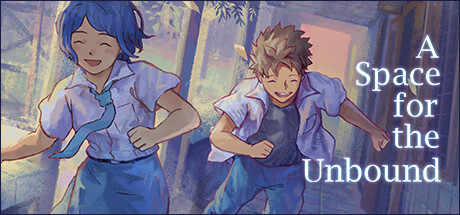
A Space for the Unbound is the next game that I started during my sick period – mentioned in the Coffee Talk section above – and extended through into my every day life. It is another one of those games that I didn’t know that I needed but happened to play at exactly the right time.
At first, I was just enjoying the adventure of it, discovering life at a different pace to my own in a place that I will likely never experience. The occasional unsettling moment kept me hooked through the first 80% of the game, and otherwise I just found it pleasant. Little did I know that the final chapter was going to absolutely destroy me, while also somehow rebuilding me at the same time. I cannot understate the impact that this had on me at the time, and going forward, and I know it has done a similar thing for others too.
This game hits some devastating topics such as depression and grief in ways that are relatable, and also with an entirely new perspective to me, hence the crushing impact. It would be both spoilery and way too personal to go into specifics so I will avoid that. It is almost one year on and I still think about what I learned, how I changed, and am grateful that I played this game when I did. If anyone is feeling defined by their grief, stuck in the past or lost in themselves, I recommend giving this game a shot.
This game is an absolute playground for emergent gameplay/antics/hilarity/bullshit/pick your noun. The start is difficult, surviving encounters by the skin of your teeth, but exploration proves fruitful at a very satisfying pace, consistently providing more and more goodies and surprises to enhance your survival experience. This good pace extends to the enemies too, gradually becoming more difficult, and equally more grotesque. This game is fantastic at body horror. Even playing with friends, walking around at night with nothing but a torch, an axe and the sounds of the forest proved to be a spooky experience, as did exploring our initial caves.
Then came the building… The building was so satisfying and immersive that we spent 80 hours in our playthrough of this game. A good majority of that was spent building a whole-ass mansion. Log by log and stone by stone, we rose from the bottom. It didn’t matter who the sons of the forest were anymore, we were the kings of the forest.
The story was over the top nonsense, which was the icing on the cake for such a silly, fun experience. It is a horror game that is not afraid of letting the players have fun. My biggest regret is not having clips of some of the most ridiculous moments. I am very optimistic about the prospect of Forest 3 based on so many decisions that the devs made that enabled this game to be the game that it turned out to be.
Realising and finally accepting that I am never going to be able to play all of the games that I want to play in my lifetime is helping to drive the changes that I aim to make going into 2026. I am no longer going to avoid games that I know will be great because I am frightened of getting too absorbed (yes, I do this) or because I want to save them for content, just in case. I will play them whenever the fancy strikes, and urge others to do the same.
Life is so short and games are abundant, I already know I am going to play some absolute bangers in 2026, and I can’t bloody wait.
Sign up now to stay up to date with the latest posts!
A lesson in wellness.

Wanderstop challenges this mindset in a way that only a game really could.
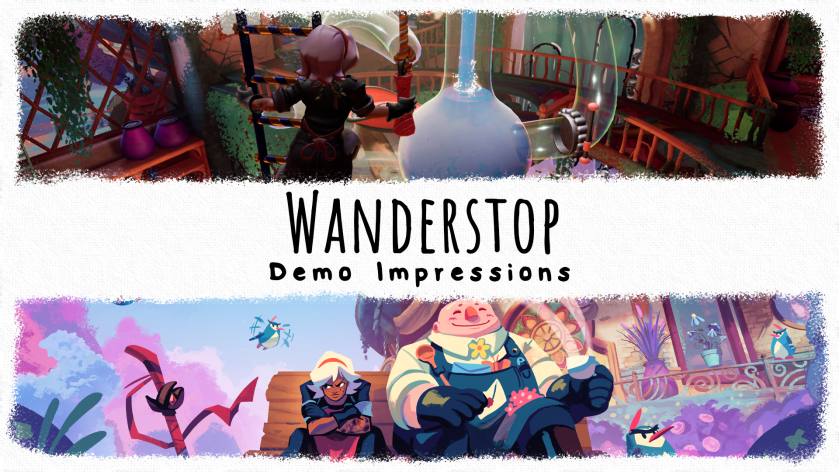
These are demo impressions only, so I have yet to experience any of the story beyond the intro, but this small taster had a big enough impact that it felt really important to sum up my experience.
So far, Wanderstop is a commentary on passion and obsession. Where is the line between those things and if we are walking it, would we even realise it? Say we do take a step back and recognise, “Yes. I have a passion about something (in our main character Alta’s case, it is fighting). I am so passionate that I am going to chase this dream, idea, goal, or whatever it may be. I am going to chase it so completely that no one could possibly question my passion.” Wanderstop asks the question, “at what cost?”
We meet Boro, the most gentle, content soul, and the game asks another question. “Are you ok?”. Then, gives you all the time you need – probably more time than you would usually give yourself – to ponder it.
As someone who is prone to going all in on things and has burnt myself out multiple times before, every cutscene and conversation in this demo had an impact that I did not anticipate would hit me so hard. Personally, I am at a time in my life, I’d say a little further on than Alta is currently, where I have started to recognise the need for – and desire – balance. The moment I met Boro, his energy felt like the end goal for me. While Alta is wrecking herself, living her life with one goal in mind, desperatly clutching at one potential outcome and tormenting herself for falling short of an almost impossible goal, Boro is living in the moment, enjoying the journey, the here and the now. Alta, and I can confidently say a lot of us too, could do with taking a leaf or two out of Boro’s book (or tea… hehe).
Perhaps, feeling a longing for a Boro to find you and give you this opportunity the way that I did is an indicator that you yourself should take some time to reflect, to have no schedule, and to be. Whether that is through getting out in nature, a duvet day, doing absolutely nothing, or through making tea in Wanderstop, that is up to you – although I’d say Wanderstop is a good place to start.
The action of playing this game forces the player to do the very thing the narrative is encouraging. Slow down. Potter around. Make some tea. No rush. No worries. This is our time. Rather than just telling you that you should do these things in a way that you have likely heard 100 times before, Wanderstop teaches you through showing and doing. This, along with some beautiful artwork, voice work and dialogue, is the reason this game stands out to me among a sea of cozy games, and I am really pleased to have it accompany me during my LudoNarraCon 2025 coverage. I am thrilled by the prospect of taking a break from my other IRL projects to go all in on game content for the month, but I am going to keep Wanderstop going on the side, reminding me to take a break and check in with myself every so often. And I am rooting for Alta to do the same.
Sign up now to stay up to date with the latest posts!
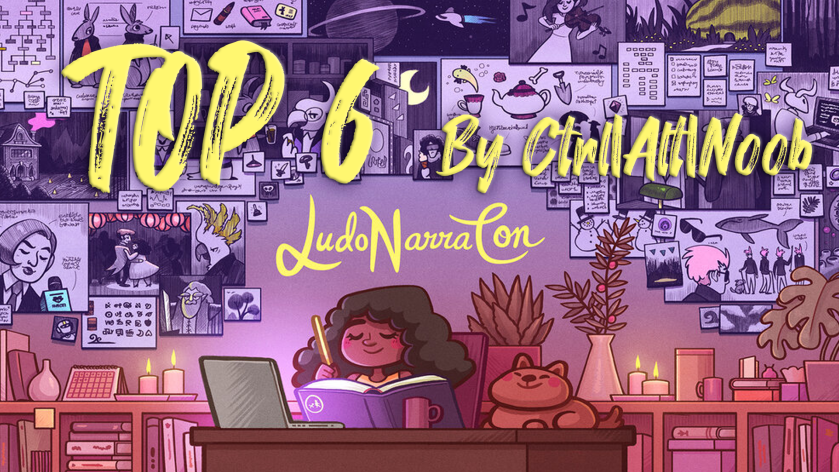
Here you can find all of my coverage of the games taking part in LudoNarraCon 2025.
Check back often to see the latest posts!
Sign up now to stay up to date with the latest posts!
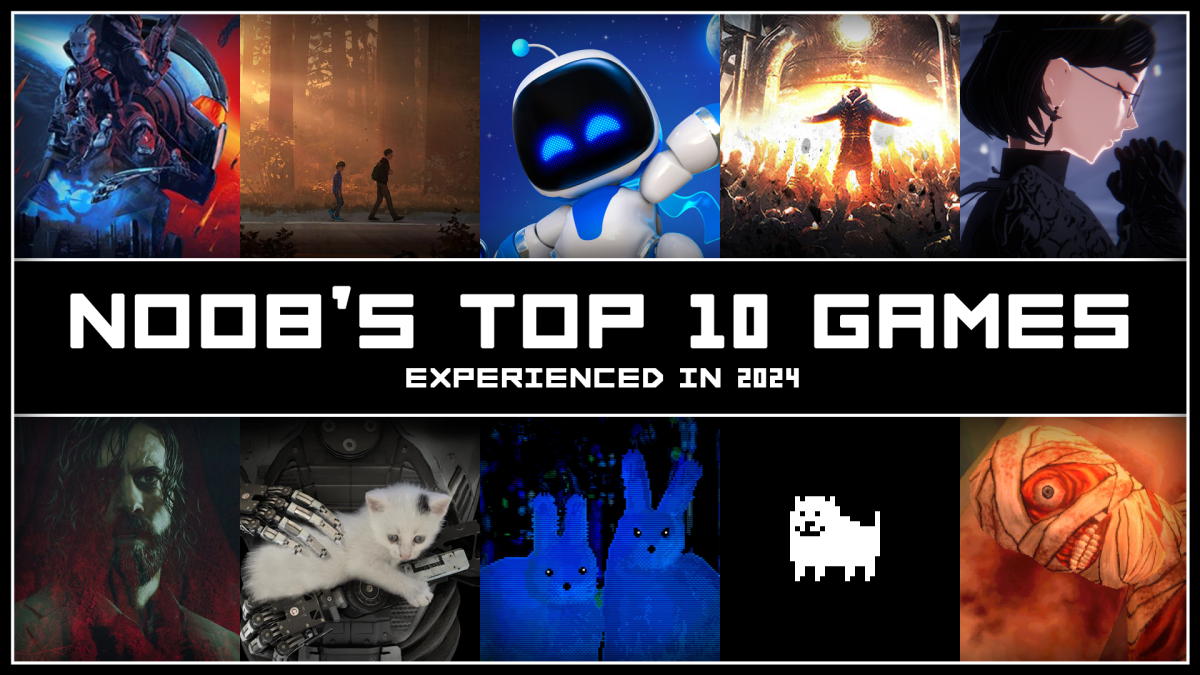
2024 was undeniably an incredible year for games. I don’t often tend to play new releases, so it is to my complete surprise that four games from the current year have made it to my top 10 list this year. Four! As primarily a backlog and PS Plus gamer, I often don’t even experience that many current games in a year, let alone enjoy them enough that they dominate the top 5 of my list.
While I haven’t managed to play as many games this year as I did in the previous years, it is safe to say I had some all timer experiences and it was a particular struggle ordering the lower end of the list, having to decide who to cut despite also giving me some fantastic memories.
Without further ado, here is the best of my 2024 gaming experiences.
I do my game tracking on GG App, you can see all 34 of the games I experienced in 2024 here.
Number 10 on the list is a game that I didn’t play myself, but was one hell of an experience regardless. Watching a friend play the game and theory crafting along the way of this absolute trip of a journey was an especially fun time. Tying it into the first game – which I didn’t enjoy very much – and Control – which was only just bumped down from this very list – allowed us to go full corkboard and strings while taking in the atmosphere of this dingy, eerily beautiful world.
Ask me right now to summarise the story and I am not sure that I could off the top of my head, but it was a lot of fun along the way and now I think in spirals.
Finishing up the Mass Effect trilogy was a monumental moment. Legitimately the end of an era. Despite the fact that we only played Mass Effect 3 this year, I am including the others in here too as they are all within the Legendary Edition.
It took us years and now I finally understand why the ending is disliked on such a universal level. Thankfully, it did not dampen the memories of my years long playthrough of this epic series, with moments of the finale having me in actual tears on stream, something that I generally prefer to avoid.
This list has a couple of games that I didn’t have the most fun playing but shone so bright in other areas that I loved them anyway. The Talos Principle is the first of those. I made my way through the puzzles because I had to. What I was really there for was the story, delivered in the form of a computer archive. Every new area I made it to gave me the rush of finding new information. While I found the puzzles fun at first, they eventually became a block between me and my next lore fix.
I will admit, by the end I was following a guide for most of the puzzles – especially the stars – but the story was so interesting that despite this, I think this is my favourite first person puzzle game that I have played yet (unless Portal 2 co-op counts as its own game).

Frostpunk is the only game that made it onto this list from my 12 Days of Epic Games series, but it sure did earn its place. It was only the second game of the 12 and I immediatly broke my own rule that I was only trying out these games. I ended up finishing the campaign within the week.
I couldn’t get enough of the stress. I am not sure that I have played a game that balanced that line of helplessness but just scraping by so well in my entire life. I was sure I was going to fail, tens of times. Yet every time, through some miracle, we managed to pull through. It was not elegent, there was suffering, but I fully embodied my position of leader and did everything in my power to save my people.
What I am saying is, this is the most immersive, thrilling, coldest city builder that I have ever played. It was memorable, and it was pretty incredible.
Above I mentioned some games making it onto the list despite not having the most fun during the act of playing. Undertale is the second. I very nearly quit, but I am so pleased I persevered.
I had heard bits about Undertale but didn’t really know what to expect until I tried it out during 12 Days of Game Pass. Even then, I knew that I liked it, but I didn’t realise quite how much I was going to enjoy it until I finally jumped back in, 2 years later. Despite having some things spoiled, I really appreciate what this game is. It is humorous, clever, heartfelt, more difficult than I had hoped but I am not sure that is a problem for everyone.
Whether you find it iconic or cheesy, the Stay Determined messaging stayed with me for a while, making a real life effort to notice things that I too could stay determined about.

Mouthwashing is the second and final game on the list that I watched rather than played. Once I watched it, I immediatly watched it again. And again. And I wasn’t sick of it even after watching 3 different playthroughs. I was glad that I didn’t play it myself because of certain gameplay sections, although part of me wishes they weren’t even there. Not just because I wouldn’t have enjoyed playing them, but because I think the game would have been better for it.
Overall though, I couldn’t get enough of the bleak, disturbing tones of this game. The claustrophobic setting and the off putting characters drew me in in the exact opposite way that I would have fled from them in real life. The game is an examination of a few themes that almost feel spoilery to mention, but hits that morbid mood itch in its own unique, worthwhile way.
Just like Undertale, I very nearly quit this game. But despite that, the impeccable uncanny atmosphere, the stunning colours and the freedom of puzzle solving kept me coming back for more. It took my eyes a short while to adjust, but once they did, this could well be the most stylish pixel art game I have ever played. The audio design also deserves a massive shout out for being both confidently understated yet enticingly effective.
Animal Well would never have worked as a stream game for me, but I desperately wish I could capture the absolutely chaotic energy during my journey of discovery. I perhaps got even more joy from stumbling into solutions than I did using my brain. Over and over again I would somehow make exactly the right mistake at exactly the right time to learn something that I would never have even thought of. It is masterful in design and the lack of handholding is somehow empowering.
This game can get spooky. My blood ran cold at least 3 times and I almost quit at least as many. Guides were my friend in these scenarios and I am glad that I pushed through to experience this gem that I would have passed on if it wasn’t available on PS Plus.
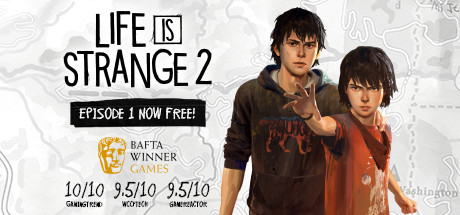
Life is Strange 2 was the final Life is Strange game that I had left to play. It may be an unpopular opinion, but I definitely saved the best till last.
This game was better than I could have hoped. It didn’t take me long to get invested in the brothers, but it was the ‘on the road’ element that really made this game tailored to me. It was full of emotions, highs and lows, wondering what might be next, and I connected with it more than I have any other LiS game to date.
I think it is a shame that so many people pass this one by. I understand that my experience isn’t the most common one, but if you enjoy the LiS format but skipped 2 because of low expectations, I would ask you to reconsider and give it a shot. It was definitely worth my time and may well be worth yours too.

Oh. My. God. 1000xRESIST came out of nowhere and just decided to become part of my life. I have written extensively about both my first impressions (which took me a while to warm up) and my full experience with the game, so I won’t go into much detail here. What I will say is that this game is worth your time.
There is a reason that this game recieved so many nominations and awards. It tells a story that so many others could only hope to tell, so confidently that you don’t have any choice but to listen, admire, and continue to ponder long after playing. It is bold in its choices in a way that most AAA could not be, and if you can buy into the world they created – which you should – then you are guaranteed to go on a thoughtful and emotional journey, on both a personal and grand scale.
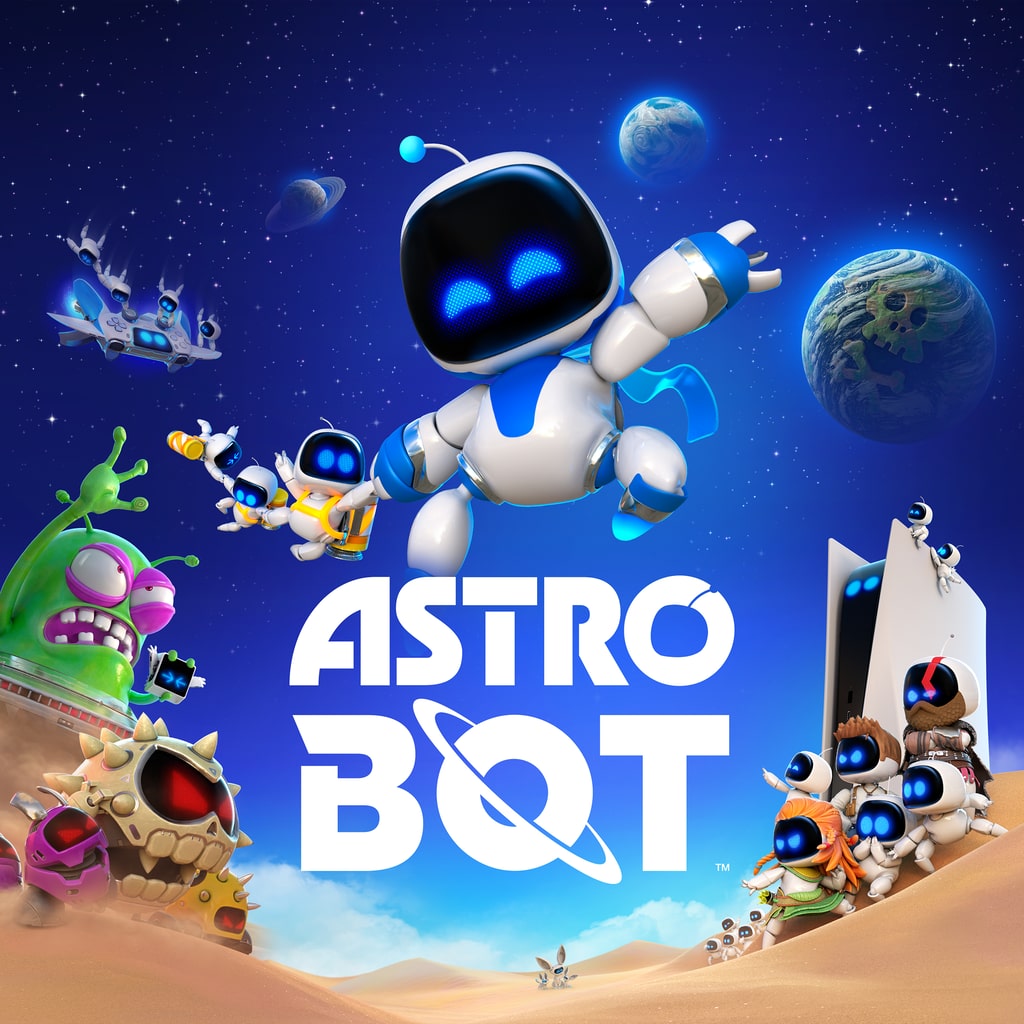
The level of detail is just phenomenal. Every new level, just take a second and admire the physics of every single thing that you touch. I have never been in such kinetic and satisfying environments and this could only possibly have come to fruition from a team putting their heart and soul into their project. It is genuinely awe-inspiring, as well as wholesome and nostalgic as you make your way through the carefully crafted planets.
For the record, I have been championing Astro since Playroom and if you haven’t played it yet, I still think it is very worth it. It has a different set up to Astro Bot and it will make everytime you power on your PS5 feel like magic. Plus, it has one of my favourite video game songs ever (I am looking at you, GPU). I have yet to play the VR game but overall, this is the most joyful series that I have ever touched and Team Asobi have my trust for anything that they create in the future.
Considering I have had so many high quality experiences with game in the past, it feels insane that there are still so many waiting for me. I have already selected a bunch of games I hope to play in 2025 as part of a backlog challenge and I look forward to seeing which games make it onto next years list.
Sign up now to stay up to date with the latest posts!



















![A Noob’s [Mini] Review – Death Trick: Double Blind](https://ctrlaltnoob.com/wp-content/uploads/2024/06/death-trick-double-blind-review.png?w=840)