Developer: Sokpop Collective, Tom van den Boogaart
Release Date: 4 October 2024
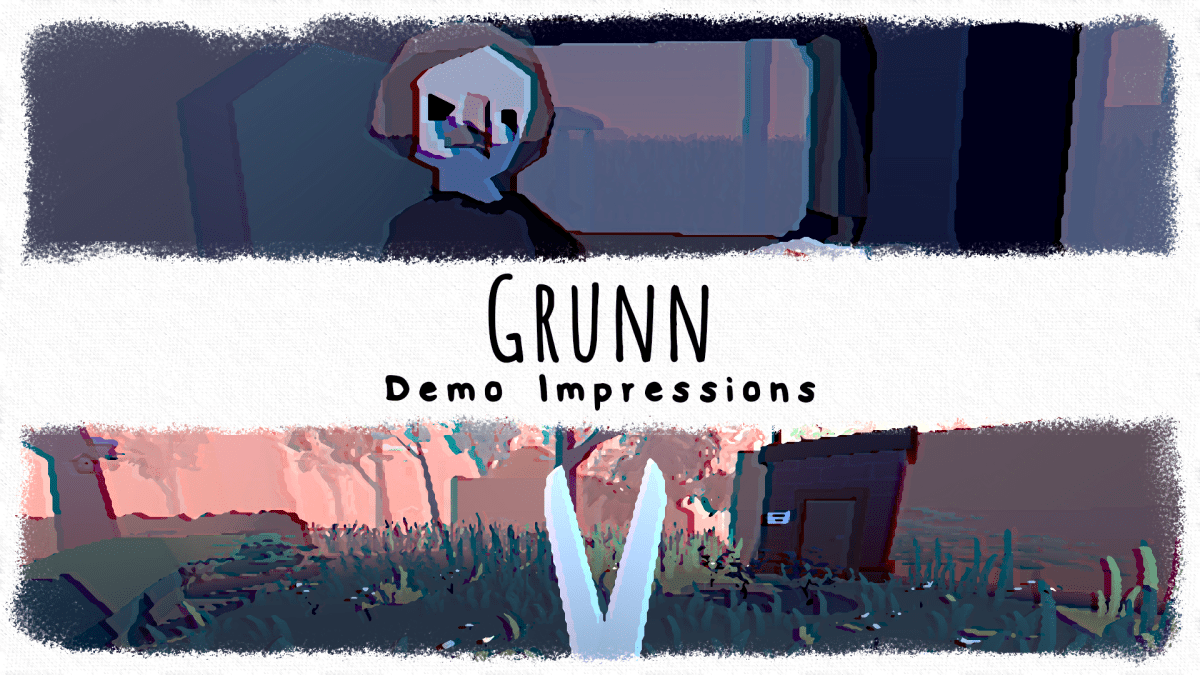
A gardener gets hired for maintenance work over the weekend. A simple task, but strangely some tools are missing…The owner of the garden isn’t around, and their house is off-limits. Perhaps new tools can be found in the mysterious town, or maybe some of the reserved townsfolk have seen them?
Grunn mixes together a type of game that I love with a type of game that I hate. Together, they become a genius concoction that I absolutely don’t want to play despite REALLY wanting to play. Let me explain.
I love a task simulator. Give me games like Powerwash Sim, House Flipper or similar and I can play them all day, getting myself into that hyper fixated state of ‘just one more task’. The entire idea of this genre – in my opinion – is to allow for a flow state, zoning out of your everyday life, keeping your hands busy and your dopamine bar full. No thinking, only doing. As soon as I begun cutting the grass in this slightly overgrown garden I instantly fell into this zone, my safe zone, forgetting any uncanny feelings I may have had prior. What a perfect zone to get someone in before intruding, pulling the rug and making their hair stand on edge.
In Grunn, we are hired to do some gardening. We are left some instructions, a deadline, and that is all you get as you are let loose into this sandbox of oddities. I am not going to spoil in which way this is a horror game, you will have to play yourself for that, but I will say that at one point I did squeal. Once you notice something strange, you may notice something else, until the things you are noticing are probably nothing at all. Or.. If you are like me you will just get on with the job you were hired to do, happily snip-snip-snipping away without a care in the world. Once you realise, however, that things don’t quite seem ordinary, the dread creeps in and the real game begins.
You have been placed into a playground and the world is yours to explore, experiment and tidy up.. or not. Every action you take, object you find or information you obtain will lead you to the next, adding to your knowledge banks ready to take action somewhere down the line. The game takes place with a running clock, which means you only have limited time to do what you need to do, and there is far more to do than you could achieve before the deadline. The time pressure looms as you make your choice on what you pursue. I recommend a notebook as you find yourself zipping around, following clues without context and discover leads that you may want to follow up on.
I found the games unique aesthetic to be a little jarring at first. The generally soft colour palette draws you into the initial ‘cozy’ atmosphere, but it never feels perfect as what can only be described as a surreal wobble obfuscates your environment. This can be turned off in the settings but I quickly got used to it, preferring to keep it on as a scapegoat for any potential peripheral movement that should not be, that I would rather deny happened.
The demo contains 5 endings, with the full game presumably adding many more. In my playtime I found 2, neither of which being the true ending of the demo. While I had ideas of more things to try, I decided to wait for the full game to puzzle it out. Maybe then, I will finally dare to stay out after dark.
If you enjoy weird and wonderful, subversions and curiosity, I recommend giving this one a go. Something is going on here, and it is NOT wholesome.
Demo Length – 1+ Hours At a glance + All in on the surreal aesthetic that can so easily turn creepy. + Tasks feel good to do and complete. + Freedom/No handholding. + So weird. + Multiple endings feel achievable in a game this length and densely packed. + Non-traditional puzzle game. + Contrasts cozy ideas with less cozy moments.
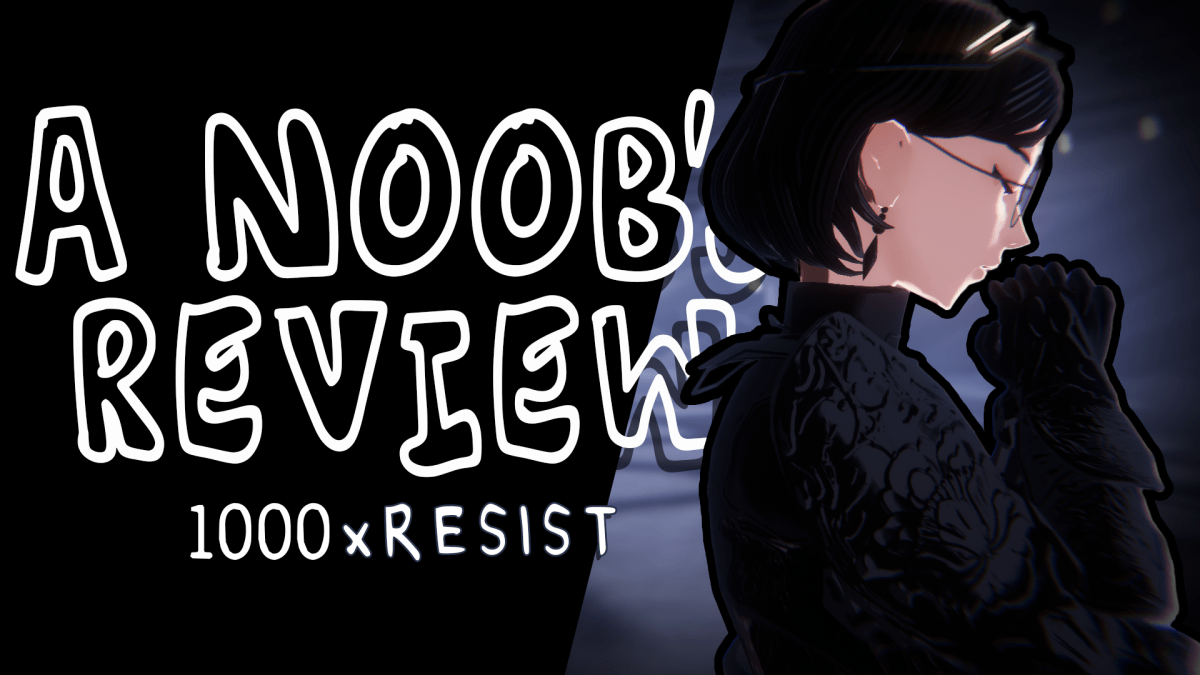
I already wrote at length about my first impressions of 1000xRESIST. Instead of rehashing that, I am going to talk about what I consider to be the games strengths. I would also talk about the weaknesses but I honestly have difficulty finding any beyond the slow start that I mentioned in those impressions.
The more you try to recommend this game to folk, the more you realise how difficult it is to define the genre. There is a surprising variety of touchpoints for comparison, but every similarity I point out is usually a specific tone or mechanic, rather that the game itself being similar to any other. Here, I want to talk about what this game does, and why it works for me.
+ Scope
I often wonder how people come up with stories like this. But then I read something from an AMA with the developers. This game is a fantastic example of using what you have to inform what you do.
A question was asked about what birthed the idea using clones. There were two answers, one we will get into later, but the second one stood out to me.
“The other thing was SCOPE. Yes, it meant we could focus on making the character model that we had, better!”
It’s fascinating how a creative decision so important can stem from such a technical, meta reason. I personally find that given all of the freedom in the world, my work will often be weaker than the work I had to do under restrictions, which could be why this resonates so much. Scope takes discipline, and while they could have decided to spend more time creating more characters, they made it a core part of the story, giving them more time to focus on the intricacies of the world they were building.
Thinking of it this way, it begins to dawn on me that there are a lot of reused environments too. Many of the places that you go, you will see again for one reason or another. However, there wasn’t a single visit to any of these locations that made me feel sick of them. It never got tiresome. Every revisit was repurposed so carefully that suddenly, fewer environments become a blessing, allowing me that familiarity that makes me feel more involved in the story.
+ Nature vs nurture / themes
Nature vs nurture is something that has always intrigued me. It’s not something that can ever be researched ethically, but the questions remain ever fascinating. How much of a person is in their genetics, and how much is their circumstance? What would the best of us be driven to under difficult circumstances? Could an evil person have been good? Is everyone capable of anything? Is anyone capable of everything? We will never know and it makes for an extremely rich setting for a narrative to explore. One thing that no one can deny is that we are influenced by the people around us, no matter how much we want to be, for better or worse, and that is explored well here.
There are two reasons why we wanted to look at clones! One, was getting to explore the classic thematic of nature vs. nurture. How much of how we turn out as human beings is because of things we don’t understand?
The game also took on many tricky themes that could very easily have been too much. Generational trauma, oppressive regimes, faith, sacrifice, ends justifying means, intent, justice. It was a lot, but never too much. Everything was handled with care and in a world where everyone is waiting for the next thing to be outraged about, I found the game handled everything with class, giving no ammunition to the folk who try to drag things down. Equally, it felt like a safe space to consider these delicate topics without judgement.
+ The Writing
As I mentioned in my first impressions, I didn’t like the writing at first. However, once I got used to the rhythm of the speech of these characters, I was finishing their sentences. I when I finished the game, I couldn’t remember the specific lines in some important moments, but I could hear their rhythm like a melody stuck in my head. And it’s believable. No one talks like this, but they do. It is another one of those bold choices that went well because they rightfully have confidence in the excellent quality of their storytelling.
+ Everything Audio
The music goes a long way to setting the atmosphere of this game. Every time I sat down for a session, hearing the melancholic tones had me immersed immediately, whether it was light, sombre melodies or a little heavier.
The voice acting is another auditory factor that solidifies this games identity. There are so many characters, all so similar and yet so different. The hushed tones, words spoken so softly yet carrying so much weight. It is all so intentional and commendable. The voice acting also contributes to the rhythm of the speech as mentioned above. Without it, I am not sure the game would have bled into my thoughts the same way that it did.
+ Visuals
The game does not have ‘impressive’ graphics. As in, don’t come here for photorealism or next gen aesthetics ala Hellblade. It is stylized. Sometimes, particularly walking around the hub area, the textures felt a little PS3 to me. However, I think any reasonable gamer, and particularly indie enjoyers, can accept that photorealism is only one choice in a medium that can achieve anything, and beauty can be created in other ways.
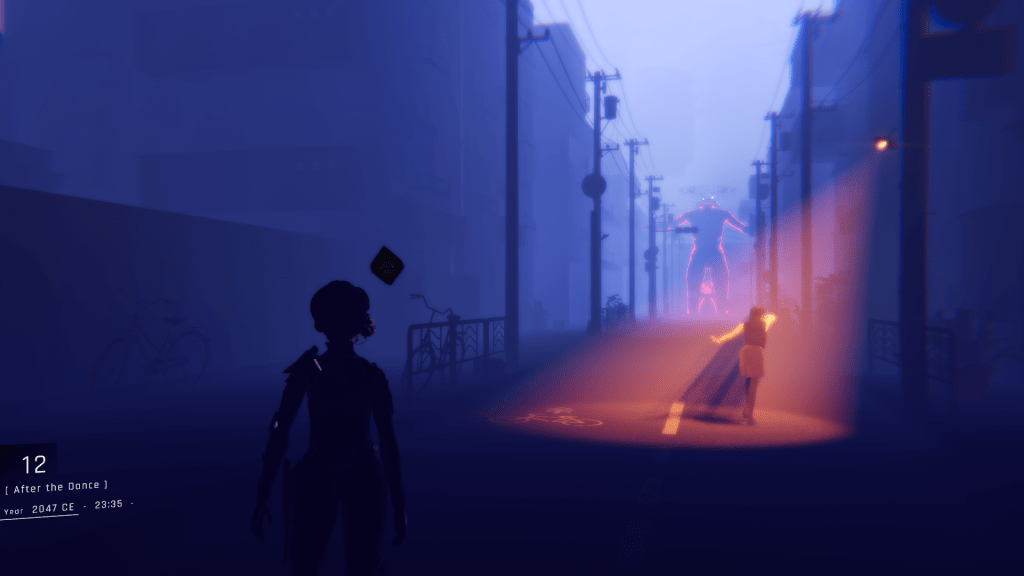
What this game does have is very impressive art direction and cinematography. It is ambitious in its style in every way except perfection. Colour is already an in game concern, but the use in a creative sense, alongside lighting, can be striking. Whether you are walking around a corner into a set piece, or being guided by a cutscene to see something new, the developers clearly had a vision and they did everything they could to put that on screen, succeeding with flying… colours.
+ Balance
1000xRESIST contains a huge, winding story, the likes of which is very rare to be told so comprehensively within a 14 hour experience. The reason that it is done so well is the balance achieved in the conceptual phases as well as the execution. This story is about disaster. It is about eras. Civilisations. But it is also about people. Individuals. It is about things much bigger than we can possibly comprehend, and it is about the nuance of being human within that. It never loses sight of either of these things.
+ Attention to Detail
Just because the scope was kept in check, that doesn’t mean there is a lack of anything. In fact, that is most likely the very reason that the game contains the density of detail that it does. Again, I am not talking about the textures or foliage. I am talking about continuity, and the stories that are being told indirectly throughout the entire game. It is worth looking around and talking to everyone that you find. You never know who or what will make a huge difference down the line. While it isn’t the focus of the story, I find there to be a bit of butterfly effect between the lines and it is really neat to identify the triggers that may change the course of history, no matter how small they seem at the time.
+ Respecting the Player
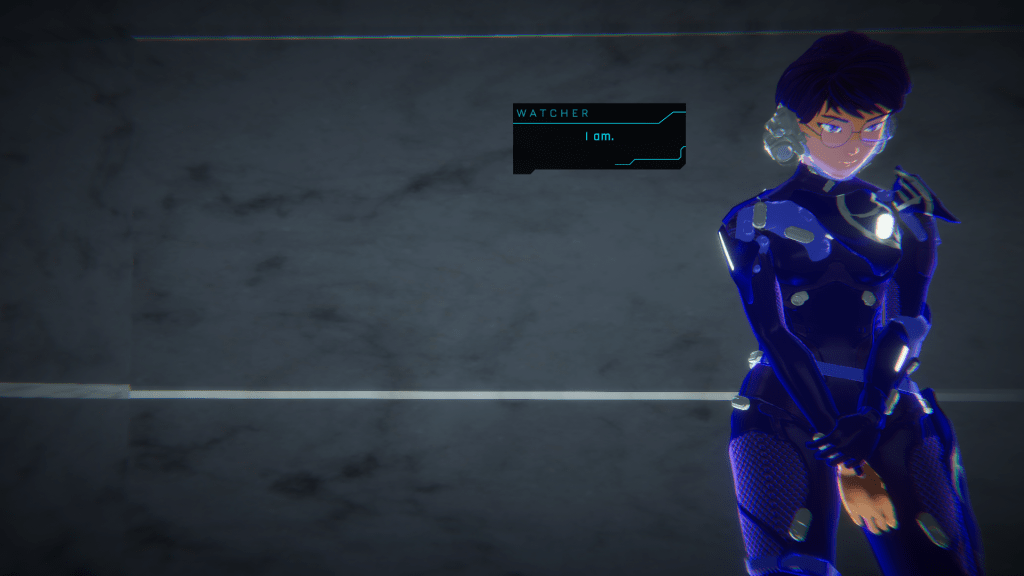
Possibly the thing that I found the most impressive above all else is the way that I felt respected as a player. In my initial impressions I complained that I felt I was supposed to care about something I had no understanding of or context for. I understand that decision a lot more as I have made my way through the game. The developers trust that you will come to understand, without any clumsy exposition dumps or codexes. We learn through experience, exploring the environments we are in, and observation. It is no coincidence that our main character is called ‘Watcher’.
Of course, there is exposition, there has to be, but it is weaved into the game so well that I never begrudged it. In fact I welcomed it as the more that I found out, the more that I realised I still wanted to know. There is even an exposition device written into the story in the form of communions, allowing us to learn about the history of the game world alongside our main character.
I felt respected in another way too. Throughout this whirlwind of heavy hitting themes, I never once as the player felt that I HAD to feel a certain way. These characters are flawed. They make mistakes, mistakes that we are making with them, whether we believe it is a good idea or not. Never once did the game then shame you for what you have done. It provides opportunities to think, but it never does the ‘What have you done?! You, the player, you did something despicable’ thing that some other games do. It could easily have gone down that route but I am very grateful that it did not and as a result it is a richer experience.
1000xRESIST appeals to the part of me that loves YA dystopian fiction. There is nothing wrong with that, but it also somehow feels very reductive. I think what I ultimately mean is that this is not going to be for everyone. For me, it came out of the blue, infecting my thoughts both in and out of the game for a while, but not everyone will have that experience. I think it is important to temper expectations, especially if you aren’t going in as blind as I did.
If anything that I have wrote sounds interesting to you then there is a good chance you will enjoy the game, but be aware that this is an immersive, experimental, narrative based experience. If that isn’t your jam then I don’t necesserily think this is the game that could convert you. My recommendation to everyone is that if you aren’t feeling the beginning, just like I wasn’t, try finishing the first two chapters and see if it grabs you. If it hasn’t by then it probably wont but that is a good amount of time to see some of the variety of storytelling on display.
One thing I do know is that I am not finished with this game.
This is a game about breaking barriers. Some characters giving their all to destroy them and some giving their all to stop them. But also the developers, creating a game that I can’t ever imagine a large studio having the courage to try. It is unconventional, it nails what it is going for, it is a breath of fresh (and emotional) air, and as I said in my impressions post, this is what indie gaming is all about.
Hekki Grace.
TLDR: + Scope + Themes + The Writing + Everything Audio + Visuals + Balance + Attention to Detail + Respecting the Player
If you play one horror game in your life, I believe it should be this one.
Explaining in too much detail why you should play SOMA runs the risk of ruining the reason that you should play SOMA, but I am going to give it a shot.
SOMA is a narrative experience like no other I have ever had. While it isn’t gameplay heavy, it is a classic example of a story thats impact is amplified due to the medium and the player input that brings.
In this game we play as Simon Jarrett, an ordinary young man who has suffered the misfortune of a brain injury. Taking part in some experimental treatment, Simon arrives to get his brain scan but it does not go as expected. As he comes to, it rapidly becomes clear that all is not how it seems.
This is a game of linear exploration. From a first person perspective, we guide Simon through an ordeal, moving forward through circumstances that are horrifying on a spectrum from deeply personal, to unfathomable.
If you are a person that does not enjoy playing horror games for reasons like jump scares, intensity and/or gore (like me), then all is not lost. While the atmosphere is indeed spooky, the most worthwhile aspects of the game come from the themes and events that can stay on your mind for weeks, as opposed to a cheap scare. To account for these people, the developers added a ‘Safe Mode’. This is how I played and it prevents any lose state, allowing you to be confident that you won’t lose any progress while you explore the environment (which I highly recommend doing to get all of the context).
SOMA is not a pleasant experience. It is haunting, dark and bleak. But, it is up there with the most thoughtful games I have ever played and I think about it on at least a monthly basis. It presents the player with choices that have no easy answer and deals with existentialism among other topics in very interesting ways. It is the only horror game that I would encourage anyone unsure to try to look past the genre, and if you are a horror fan? Turn off the lights, get fully immersed and enjoy.
Developer: Frictional Games Publisher: Frictional Games Release date: 22nd September 2015 Average play time: 10 hours Available on: PC, PlayStation (4, 5) and Xbox (One, Series X/S, Game Pass)
If you would like to see my live playthrough, here it is!
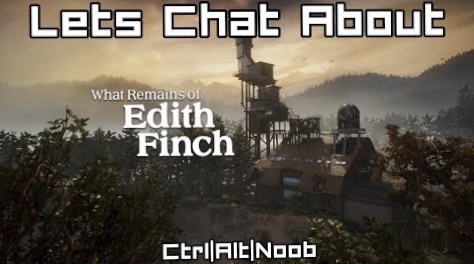
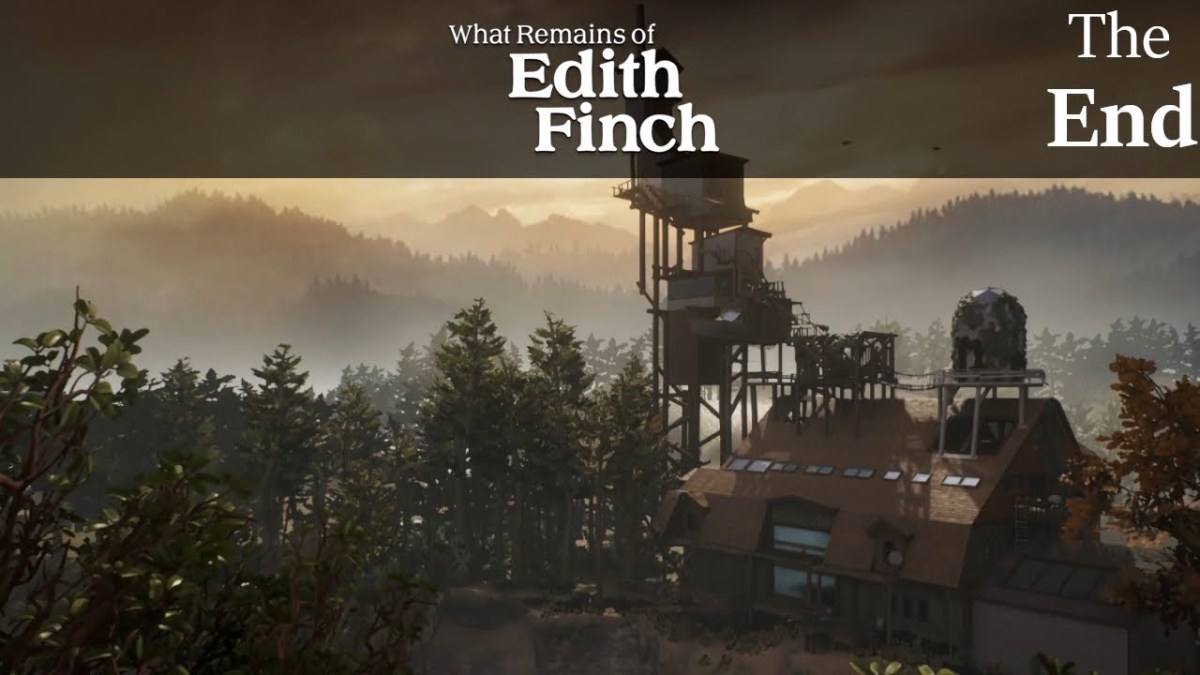
When a game worms its way into your brain as much a What Remains of Edith Finch did there is only one thing you can do. Sit down and hash it out with yourself for half an hour.
This is one of the first Let’s Chat video/podcasts that I made, where I did a deep dive into the story and what it meant to me.
For context, I did a full play through of the game on my Youtube Channel, where I talked a little bit about my thoughts during the credits. This is a follow up from that, after having some time to think and get it all straight in my head.
A fantastic game that I enjoyed more and more the longer that I thought about it.
What Remains of Edith Finch was the first full play-through I did of a free PS Plus game since I started covering the monthly games on my channel.
It was already on my radar but playing through the first story had me sold. And it kept getting better.
This is another game that I would like to recommend playing through yourself before watching any other play-throughs, as I believe that would really enhance your experience. If not though, my play-through is here and I had a great time. The game really delivered and had me thinking for days. I couldn’t be more satisfied with what I took away from this story.
Also, my first full play-through with my full new set up! Much better than the old headset I used to use.
What initially started as a Let’s Play unfortunately got abandoned.
This is a very important statement – I do not do horror. This game started out so well. I was so impressed by the detective sections and the puzzles. It felt so great to play. Then came the moment. A moment that scarred me to this very day. The game isn’t technically a horror but I felt like I couldn’t continue.
I do want to say that it is worth a watch. The game did so many things well. If it had continued how it started it probably would have been one of my favorite games. Instead, it was my first failed Let’s Play. In case you haven’t noticed.. I am a top class wimp. I still sometimes re-watch the end of my play-through, just for shits and giggles.
My first ever Let’s Play, back when I recorded and edited everything on the PS4 console and made my thumbnails on Microsoft Paint!
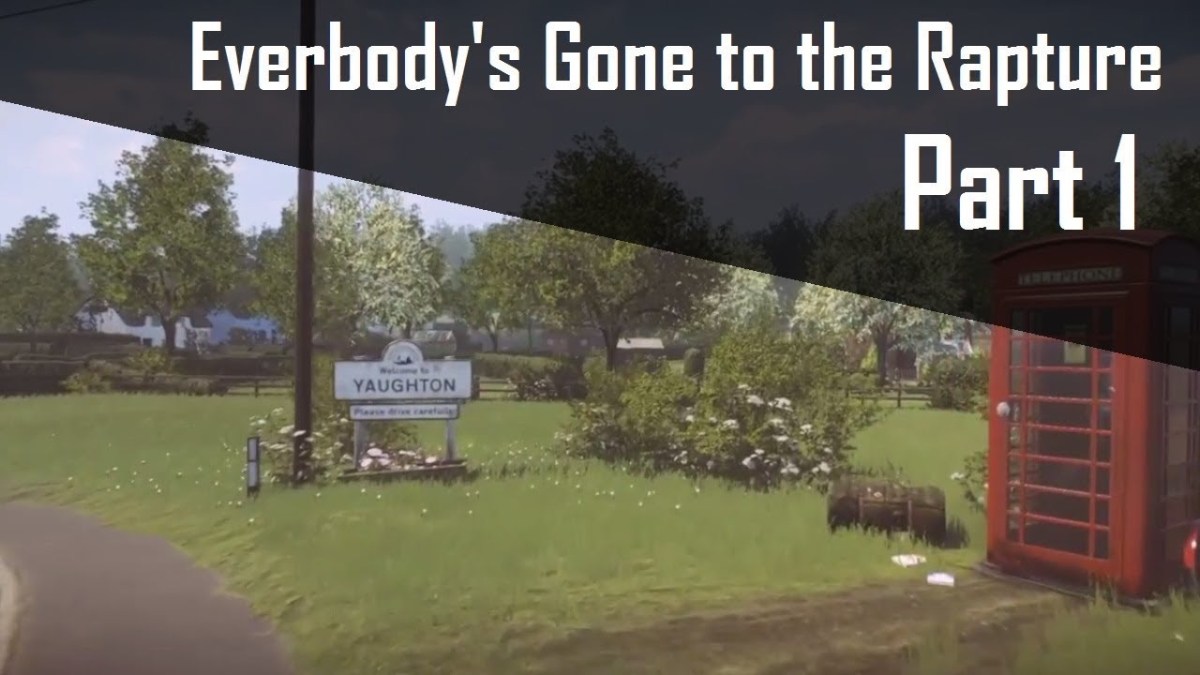
Everybody’s Gone to the Rapture is a Walking Simulator set in the fictional British village of Yaughton. Wandering around, we get to know the residents and start to unravel the mysteries of what went down in this town.




















![A Noob’s [Mini] Review – Death Trick: Double Blind](https://ctrlaltnoob.com/wp-content/uploads/2024/06/death-trick-double-blind-review.png?w=840)
![A Noob’s [Mini] Review – Sea of Thieves](https://ctrlaltnoob.com/wp-content/uploads/2023/05/sea-of-thieves-review-2.png?w=840)
![A Noob’s [Mini] Review – Astro’s Playroom](https://ctrlaltnoob.com/wp-content/uploads/2023/04/astros-playroom-review.png?w=840)
![A Noob’s [Mini] Review – SOMA](https://ctrlaltnoob.com/wp-content/uploads/2023/04/moonlighter-soma.png?w=840)
![A Noob’s [Mini] Review – Return of the Obra Dinn](https://ctrlaltnoob.com/wp-content/uploads/2023/03/return-of-the-obra-dinn-review.png?w=840)










![A Noob’s [Mini] Review – SOMA](https://ctrlaltnoob.com/wp-content/uploads/2023/04/moonlighter-soma.png?w=1200)

 CtrlAltNoob