Slow is smooth. Smooth is fast. Fast is panic. Oops, let me repair that for you. Repeat.
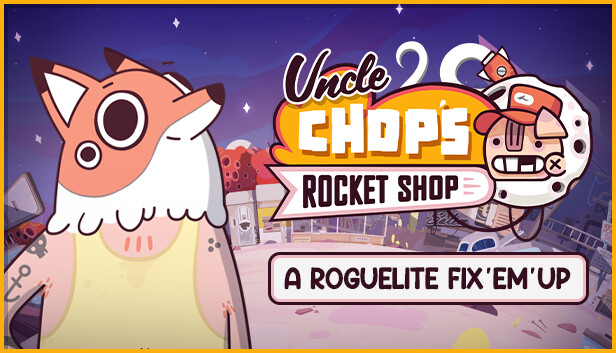
Uncle Chop’s Rocket Shop
Developer: Beard Envy
Release Date: November 2024
Come on down to Uncle Chop’s Rocket Shop, for all your roguelite spaceship repair simulation needs!
WARNING: Untested genre not suitable for people with tentacles for arms or an aversion to dying horrifically. Side effects include improved reading comprehension under pressure and a furry fetish.
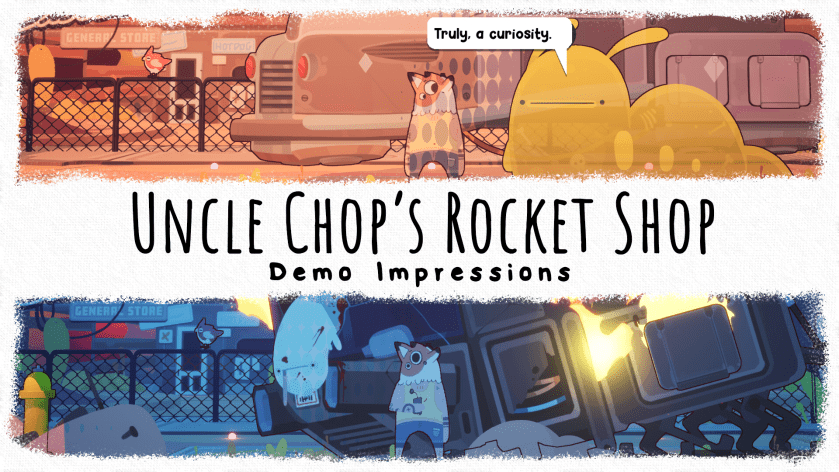
Uncle Chop’s Rocket Shop is a roguelite puzzle game that is built around minigames. We have been soulbound tasked to run the local Rocket Shop, and not only do passers by need their ships fixing to the highest standard for you know, safety, we have rent to pay and the better job we do, the more sweet sweet space cash we earn.
This is a game about problem solving, following instructions and being strategic where it matters. In focused mode you can take your time, meticulously getting to know the machines you are repairing and the components within. In frantic mode, the more jobs that you get done within a certain timeframe, the more money you earn. Personally, I enjoyed the idea of frantic mode, feeling reminiscent of games like Among Us, Tin Can, Keep Talking and No One Explodes and Papers, Please. However, for me, focused mode was the way to go, feeling more akin to House Flipper or a building flat pack furniture situation, allowing me to take my time, dig deep into the detailed and amusing instruction manual, and still somehow manage to do something wrong.
Not only does the gameplay have a high concentration yet flow state inducing element to it, the entire design is great. Everything is simple enough and clear to read, while also being very distinct and colourful. Everything you click on is responsive and makes visual changes that communicate to the player clearly. The design of the different aliens arriving at the shop and the vehicles in tow are creative and fun, the dialogue is funny, the random events that occur always made me smirk and I continued to be surprised at the new things occurring each run.
The game has run based progression that is erased when you die/lose, as well as a classic meta progression system that ticks over with you onto your next run. Dialogue and scenareos are slightly altered each run, adding more elements and allowing forward momentum as you get more familiar with the loop. It is the type of game where familiarity is going to help you improve equally as much as the upgrades.
The attention to detail is fantastic, the game play is silky smooth and my time with the demo was an absolute joy. I am going to be keeping an eye on this one for sure.
Demo Length – 2+ Hours At a glance + High concentration yet flow state gameplay. + Funny. + Polished. + Two key options for gameplay offer different experiences. + Keeps on giving. + The roguelite aspects feel seamless.
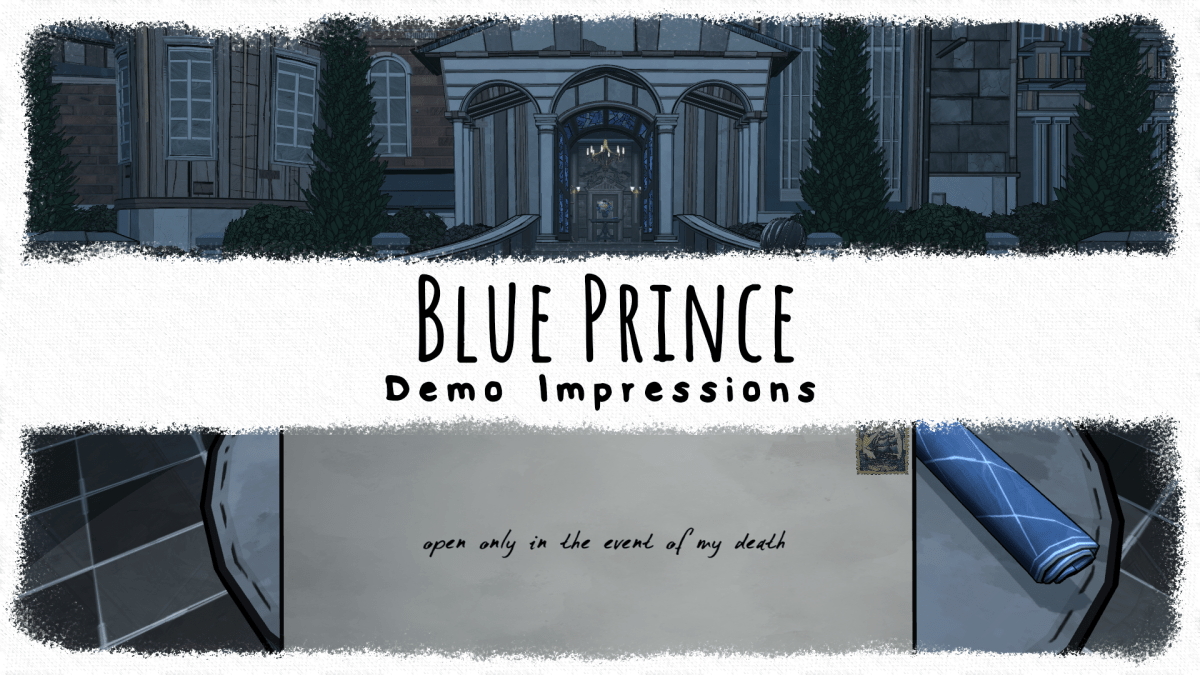
Welcome to Mt. Holly, where every dawn unveils a new mystery. Navigate through shifting corridors and ever-changing chambers in this genre-defying strategy puzzle adventure. But will your unpredictable path lead you to the rumored Room 46?
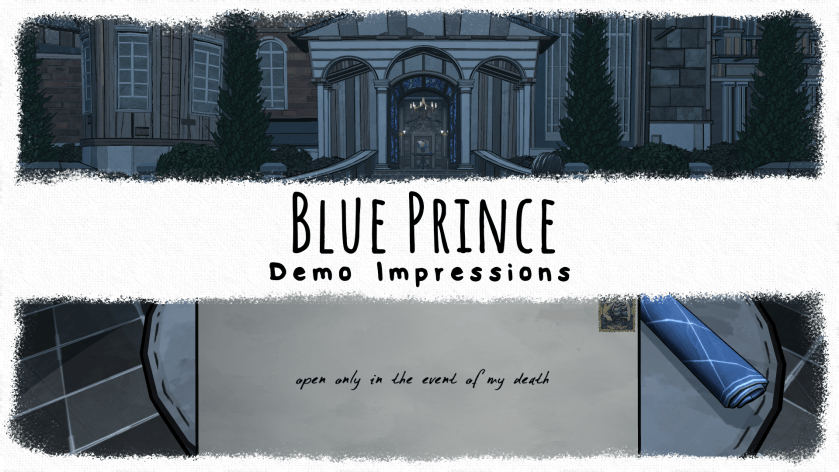
Blue Prince is a first person, exploration puzzle game where you will be using RNG and resource management to make your way through an ever changing mansion. Almost all of what you find is temporary, but some lessons will stay with you as you reset each day, making another attempt at traversing this bemusing abode.
The gameplay is very decision focused. The house you are exploring is made up of Schrödinger’s rooms – every room simultaneously existing and not until you open the door. What I mean by that is, every door that you open will grant you a choice. Three different types of rooms are presented to you and you can pick which one you want to walk into, adding it into the bluprint map that you carry around with you. Layout, benefits and resources within all need to be carefully considered as you attempt to make your way towards the north of the house.
I am going to make a potentially strange comparison so bare with me here, but I can’t help but feel a lot of very similar feelings that I get when I play The Binding of Isaac. Blue Prince doesn’t have combat and is an entirely different tone, but RNG and resource management are two stand out mechanics of Isaac, ensuring every run is entirely different and causing difficult decisions. Where Isaac has it’s keys, bombs, coins and health, Blue Prince has keys, gems, coins and steps. You are going to want them all but whether you get them is another question. Movement itself being a currency adds another complication, as your keys aren’t worth anything if you pass out as you open the door.
Continuing with the Isaac theme, you are not going to be able to do everything in one go. The items that you draw in TBoI inform how you play your run – for better or worse. A similar thing happens here, except it isn’t only the items that you have found, it is also the rooms that go with them. For example, you may find a room with dig spots but never make it to a shovel. This coulddd be considered annoying and even cruel, but if you are anything like me, it will trigger the synergy hunting and experimentation part of your brain. No run is wasted when you have a goal to try something new, and even if you don’t succeed, you are likely to run into something else.
The last thing that I want to bring up about my first impressions are how I enjoyed the whole concept of the puzzle solving, from the micro to the macro. Every type of room that you draw may or may not contain something relevent to the overarching mystery. This makes it extremely tempting to use new rooms immediatly, even when there is a chance that they will mess up your route or lead to a dead end. In doing this I managed to find some neat things that I will need to write down on paper for the full game. There are also individual puzzle rooms, containing bite sized puzzles that serve their purpose well. They take less than a minute to solve, you get your reward and then are back to the rest of the problems at hand.
I was impressed that by the end of the demo I had found so many loose ends that I had not found the answer to, and sad that I couldn’t continue on. I have never played a puzzle game like this, it is very unorthodox but it is exactly my flavour of dopamine and I really hope the rest of the game lives up to the first couple of hours.
Demo Length – 1-2 hours At a glance + Overarching macro puzzles. + Smaller puzzles within. + Tough decisions. + Short runs. + Time to think. + So unique. +/- Doesn’t hold your hand. +/- Resource scarcity. +/- RNG – was fun for the demo but has chance to get frustrating.
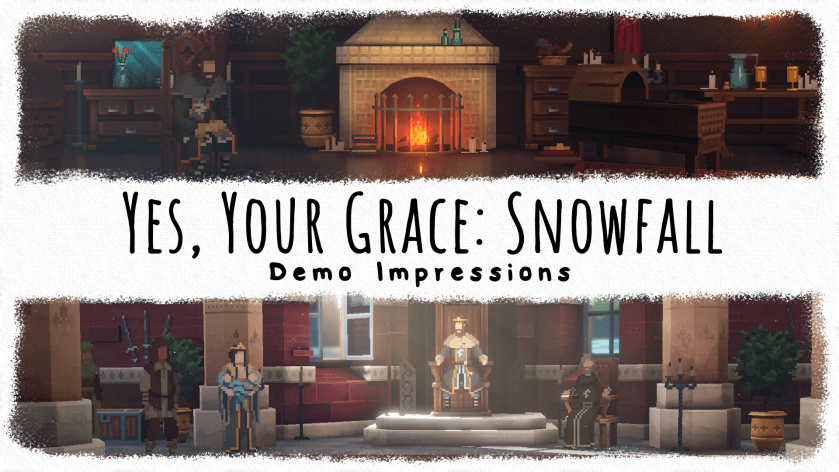
Rule your crumbling kingdom as you try to satisfy the petty needs of your people in this cinematic kingdom management RPG. Balance your resources, collect taxes, hire agents and make difficult decisions to see your kingdom prosper or fail.
It feels really important to preface this post by saying – Yes, Your Grace: Snowfall is a direct sequel and I highly recommend playing the original game, ‘Yes, Your Grace‘, first. Deciding not to is a viable and reasonable choice, but since I had such a phenomenal time with it, it would be a disservice not to explain why.
Firstly, this game opens with a recap of all the major story beats of the first. This was fantastic for me as it is quite a while since I played it and great for anyone who isn’t going to, but if you even have a slight interest in a Game of Thrones the video game, kingdom simulating, stressful decision making, trauma inducing, jolly old time then do consider going back and playing before spoiling it. If you like this game you will almost certainly like that one too and it is worth your time. Secondly, if you wish, choices you make in the first game carry over into this one, meaning that everyone can have their own slightly different canonical story. How much do these choices impact this game? Only time will tell but at the very least – somewhat. For me, I love the idea that some of my desperate decisions to survive the first game may come back to bite me in a sequel that I had no idea was even going to be made at the time. It is almost poetic with the themes of the game.
Alright, I have made my pitch, now onto Snowfall itself. This demo raised my blood pressure. As soon as I found myself perched back into my familiar throne room I was overcome with feelings from the first game. Feelings of life or death stress, trying to please everyone and barely scraping by… and it made me so happy. Even from the hour that I played, the demo confirmed that at it’s core, it is going to follow a very similar structure to the first. A structure of impossible choices, humorous and heart felt family time, tragedy, responsibility, treachery and hope, but with some shiny new upgrades.
The intensity of the resource management is felt after the very first week where you may be finding yourself squeezing your community for all its worth just so that you can pay one of your staff. This is also when we get to feel some of the new mechanics of the game. Resources have categories, and while it may feel harder to have stock of everything you might require, satisfying villagers needs can be more flexible as a result. More flexible, but also difficult to optimise most efficiently. Excursions beyond the castle have also been upgraded, adding another weight to balance on the scales, attempting to do enough to drive folks stories forward while still being able to tend to new folk in need.
Finally, and possibly the most grateful change to me is the ability to ask your people to wait once they have told you their woes. The one little change that changes everything – “Hold up a minute sir, let me back out this request for a second, let me go and have a mooch around to see if I can scrape some supplies together before I commit to rejecting your cry for help, dooming your friends to death. I am back! Yeah sorry I couldn’t afford to buy what you need but at least I tried, come back in a few days and maybe I will have saved enough money to pay for the funeral.” In the previous game you had to make a decision there and then so talking to people felt like a huge commitment in itself.
Of course there are other things to mention like the graphical and cinematic updates, but the biggest thing that I want to point out is that this demo gave me faith that this sequel is the perfect kind of sequel. It takes what was good about the first game, makes some QoL changes, presents a slightly different challenge while retaining the tone that made me fall in love with it originally. I can only pray that this game goes smoother than the first did as I am not sure how much more the King can take.
Demo Length – 1+ hour At a glance + A true sequel. + Maintains the charm and draw of the first game. + Cinematics add to the drama. + A fun family to follow through their life. + Weighty decisions. + QoL upgrades. + More layers to the resource management. + Decisions follow from first game.
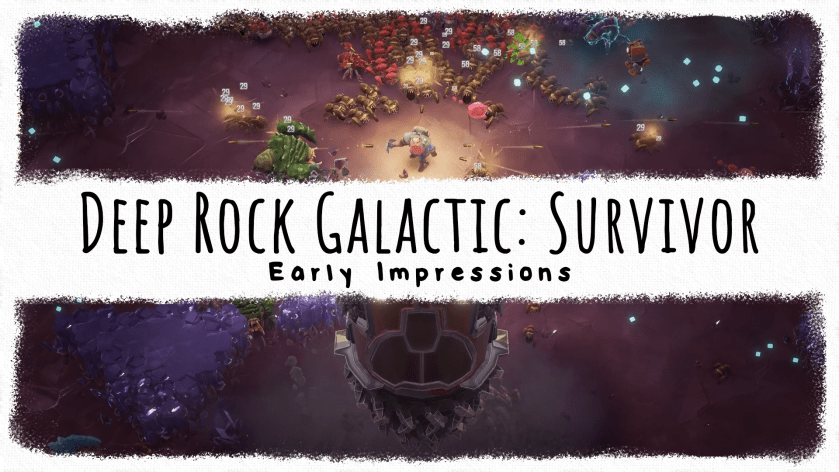
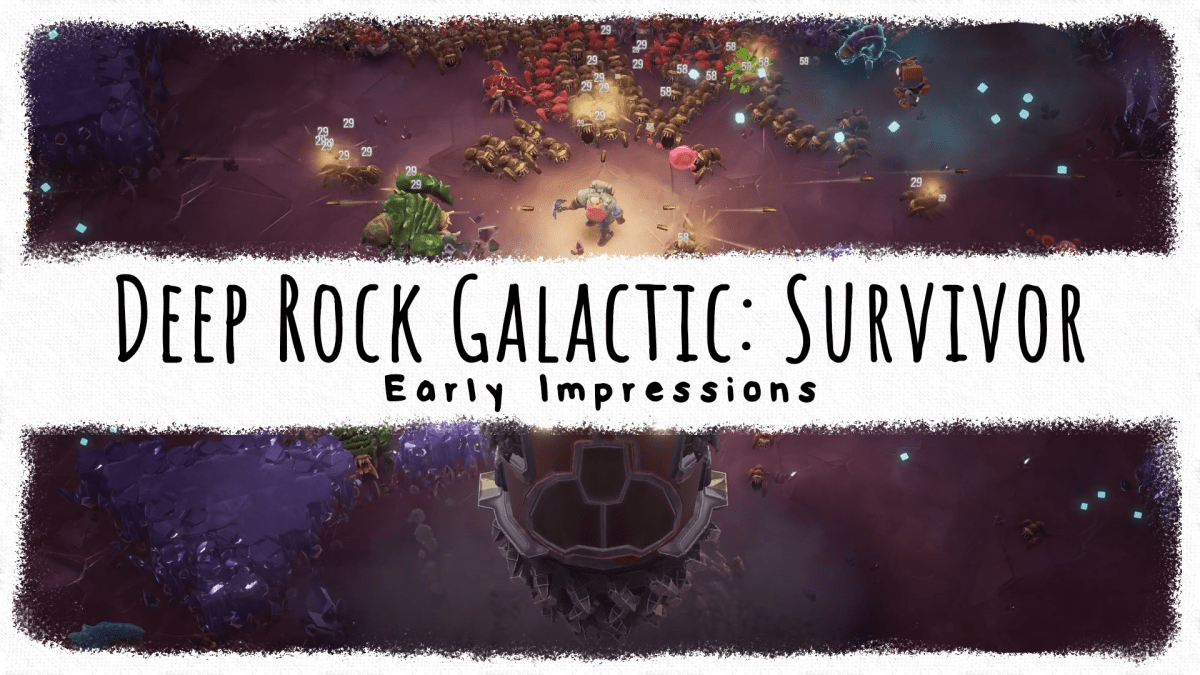
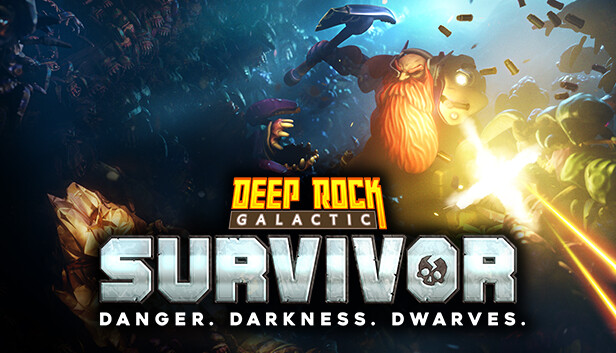
Deep Rock Galactic: Survivor is a single player survivor-like auto-shooter. Wield the full arsenal of Deep Rock Galactic, take on hordes of lethal aliens, mine riches, and unlock powerful upgrades. It’s one dwarf against all of Planet Hoxxes!
In case you don’t know, the idea of the ‘survivor-like’ genre is like a giant game of tag. Everyone is ‘it’, they are all monsters and if they touch you, you aren’t going to live for much longer. In order to survive, you have weapons that automatically trigger on a cool down basis. Every enemy you kill drops XP which you can then collect to upgrade your weapons and your character, never allowing you to be too far away from the chaos as you retrace the trail of death in your wake, absorbing all of the gains along the way.
Stemming from the game-changing innovation that is Vampire Survivors, these games are particularly popular on the go as runs tend to be relatively short and meta progression can make even a dud run worthwhile. They don’t tend to require memorising buttons, making them very easy and satisfying to pick up as a palate cleanser between other games.
What makes Deep Rock Galactic: Survivors stand out among an ever-growing genre isn’t necesserily just the IP. The digging mechanic opens up a breadth of possibilities that takes engagement up to a whole new level. Not only are you playing this game of extreme dodgeball, having the ability to mine resources forces you to choose how you want to spend your time, how much risk you are willing take to become more powerful, gives you something to juggle in the opening minutes of the level and opens up manoeuvrability options that can save your life, or get you killed.
I had 3 runs, the third of which got me my first clear. It was intense, the adrenaline was high and I got out by the skin of my teeth. The difficulty rising throughout the levels feels consistant, every run giving you more information and a chance to be better equipped than the last.
While I haven’t played enough of either Deep Rock Galactic: Survivor or Vampire Survivors to make definitive statements, this game has huge potential to have the holding power that Vampire Survivors didn’t quite have for me. I highly recommend giving this one a try if you are even slightly curious. The game doesn’t hold your hand but the learning curve truly is a pleasure.
Demo Length – As long as you want, there is quite a bit of content. There is a disclaimer that it probably wont transfer to the full game. I played for 1hr 30mins.
At a glance + Outstanding Survivor-like. + Visually easy to read. + Mining adds an entirely new strategic layer. + Enemy variety. + Lot’s of content. + Runs feel well paced. + Satisfying progression. + The components of Deep Rock Galactic blend exceptionally well into this genre. +/- Progress is probably not going to transfer over to the full game.
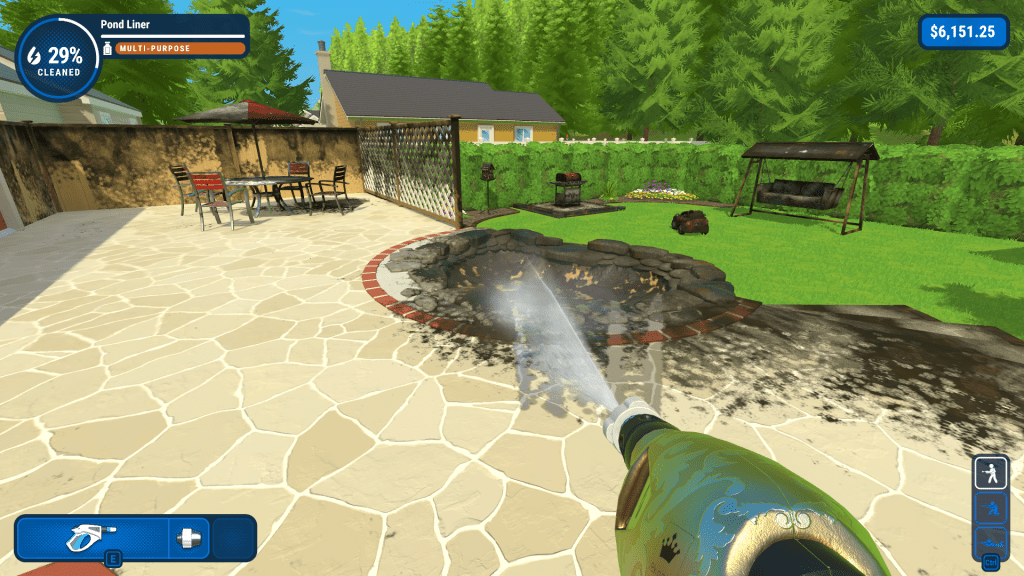
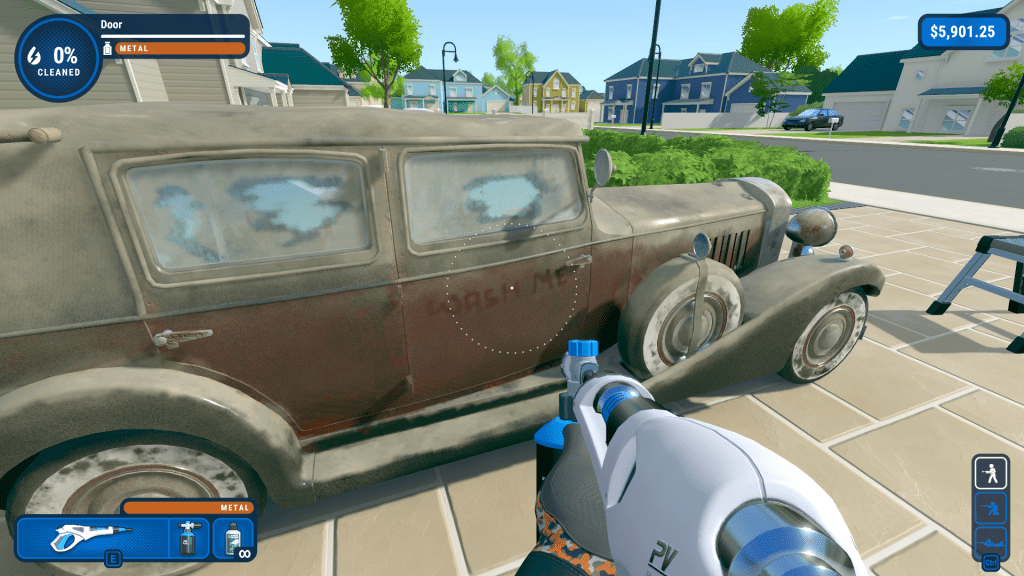
Playing PowerWash Simulator is like using a colouring book. It is something mindless to keep your hands and a specific part of your brain busy while you are doing something else such as watching a show or listening to a podcast. I never intended on finishing this game but I have had a challenging month, and this game turned out to be the perfect white noise that I needed to get by. It has a very similar feeling to the paint-by-numbers game I play on my phone when I want to pass time without engaging my brain.
+ (Non-)realism
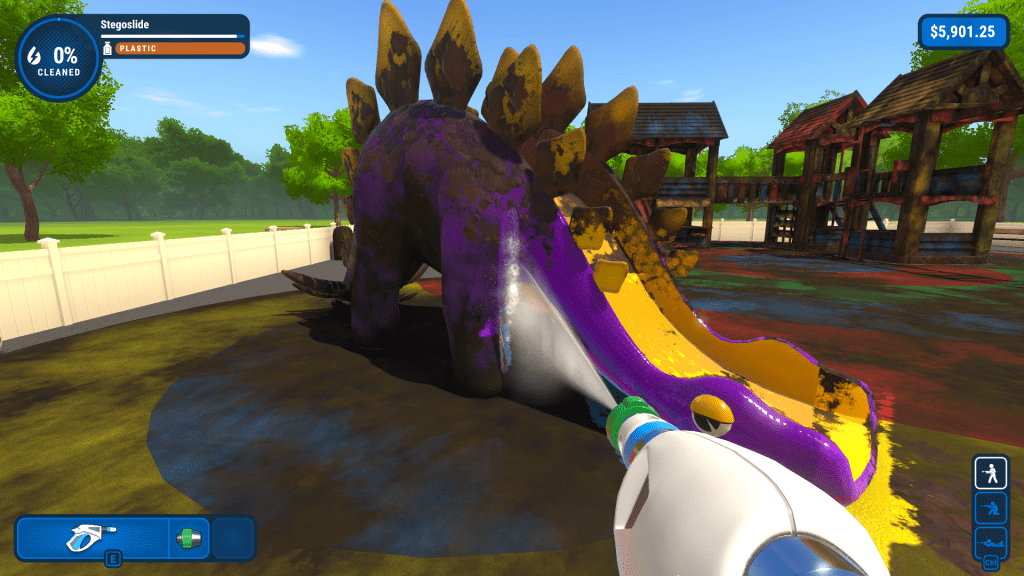
Upon cleaning my first van I felt slightly irritated. Bugged by the fact that this is not how cleaning works. I can be a very systematic person. I have a set way that I wash my dishes, and that is because cleaning is annoying and awkward and putting things in water doesn’t = clean. So imagine my confusion when this game allowed me to clean the windows of the vehicle before I did the roof. How could that be? Everyone knows the dirt would come off the roof and re-dirty the parts you have already cleaned. This was against the laws of cleaning nature and I had a hard time accepting it. I finished up my now squeaky clean van and got to work on a huge garden. Slightly overwhelmed, I started on the fences and worked my way around. But then while I was doing the fences, I may as well do the floor between them. But I hadn’t done that bench yet so I should probably do that too. Then it clicked. If this game had real life cleaning physics it would be unbearable. It would go from an alternative to colouring in, to absolute chore simulator. I thanked the game dev gods that it wasnt me making this game, petitioning to make it realistic. Instead, they took fun and convenience into consideration, which enabled my compulsion to do things in any order that made sense to me in that very moment without consequence.
+/- The Compulsionism
I found my rhythm by the end of the game. Go around the edges of things, then do the betweeny parts. The only problem with this – how do you ever stop. Everytime I splash a bit of water onto a new section, I feel like I have signed my soul to a soapy devil and I am now committed to finishing this piece. Do my edges, splash onto the next area, sign a new contract, rinse, repeat. It is very hard to stop. Some times it feels less out of enjoyment and more of a duty. Of course, this isn’t a problem with the game, this is entirely in my head and if anything, it shows good game design. Not being able to put a game down is often a goal in making a game and usually the sign of a successful one.
– Bugs
I had a couple of bugs while playing. One time I got stuck somewhere unable to move. Then there were multiple times where my ‘show me the dirt’ button wasn’t working. Thankfully all of these were solved by either leaving then re-entering the level, or restarting the game. Nothing too major, just little annoyances but I could never tell when they were going to happen.
+/- Navigation
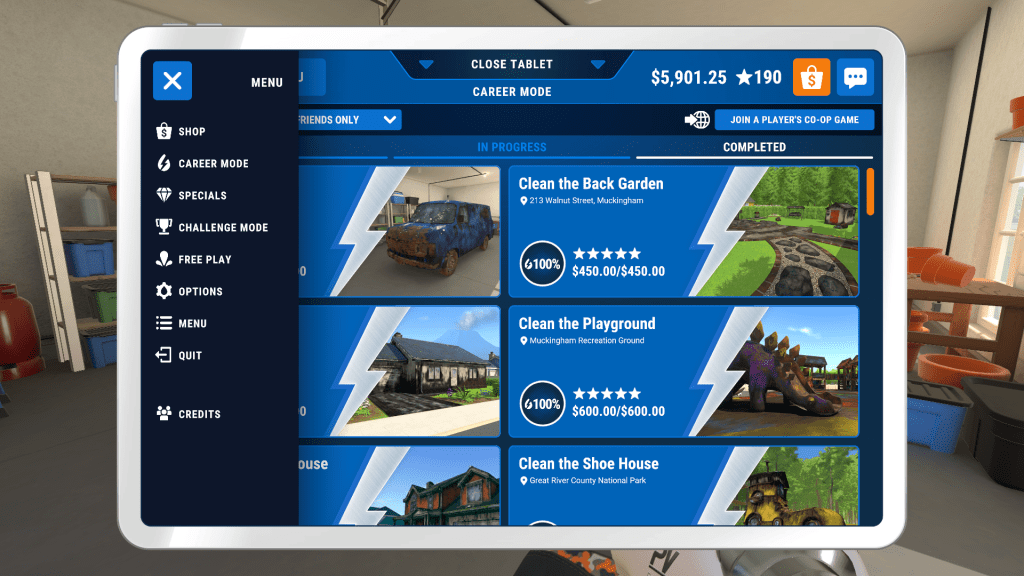
The menu is generally laid out well. It is really easy to jump between levels in seconds should you need to. It is designed as a tablet which works well with the theming of a mobile business. You can use the menu button to get a list of things like ‘Shop’ and ‘Settings’. That was all very clear. What wasn’t as clear to me was how to change your clothes. Throughout your cleaning career you are constantly opening your equiptment tab to change the length of your machine, so often that you cease to actually see the menu. What I didnt notice is that within that tab there is a clothing tab. I only realised after a google search because I was near the end of the game and desperate to try on my new gear. I never actually figured out how to change the skin of my Power Washer until I purposefully reloaded the game to figure it out specifically for this review. It is a triangle on top of a tab and it is so easy to miss. Again, only minor things but they felt worth mentioning.
+ Game Modes
Career mode is the bulk of the game. You will receive texts from clients offering you jobs. Near the beginning you can often choose between two or three, but by the end it becomes one at a time. As you complete jobs you will earn stars which will unlock upgrades in the shop, and money that will allow you to buy said upgrades. When you are done with career mode you can use free play mode to redo previous areas with all of the shiny equiptment and unlimited soap supplies. Also, there are special levels that contain 4 novelty scenarios to clean. I wonder if this is going to be added to over time. Co-op mode is an option if you want to clean with your friends, or just clean you friends. Finally, there are challenge modes, including time challenges and water usage. I tried and failed a time challenge three times before I gave up. I am no speed cleaner but they are there for others if you are up for perfecting your power washing technique.
+ Story
Wait.. This game has a story? Actually, kind of! As you play through career mode you will recieve funny texts that may or may not be related to the job you are doing. Admittedly, I was so absorbed in my podcasts (Bonfireside Chat in case anyone was wondering) that I didn’t read them for most of the game. As I got to the final third or quarter of the game, things begun happening and the messages were catching my eye more and more. At this point, I was ready to stop. When I started flagging I went to trusty google to see how many levels were left, and seeing some of the titles of said levels gave me a bit of a second wind. True enough, I was then committed and had to see it all the way through to the end. I had to know what would happen. The game has a fun tone and it really works in its favour.
+ The little things
There was something so joyful about seeing something you have previously cleaned show up on a level. One example is seeing vehicles you have previously cleaned in the background of your current job. It happens more as the game goes on and consistently gave me a little dopamine boost.
+/- It’s a time sink
If I can loop back round to the intro, you can spend a lot of hours in this game. On one hand, fantastic. My time is filled without allowing and creeping thoughts or problems. Just keep washing. On the other hand though, where the hell did my time go? So many hours… down the drain (hur hur).
I think that is all I have to say about PowerWash Simulator! Overall, I finished the game. Considering I cleaned every inch of this world, I still feel so dirty that I put so many hours into it. Truth is, it is so much easier than cleaning in real life but has a similar satisfying effect. Trouble is, you then stand up from your computer and realise that there will always still be cleaning to do in real life. It served me well, but I am pretty happy to be hanging up my Prime Vista PRO for good.
I feel I need to start this one with a disclaimer. Reviews are subjective. I am going to talk about my experience with the game as a person who doesn’t play games for their combat. People who like the challenge may disagree with what I say, as I have seen many people online say this game is too easy. I, personally, am not a god at video games. I can only talk from my own point of view, that this game can also be great for people like me, even if it does have its drawbacks.
+ The Premise
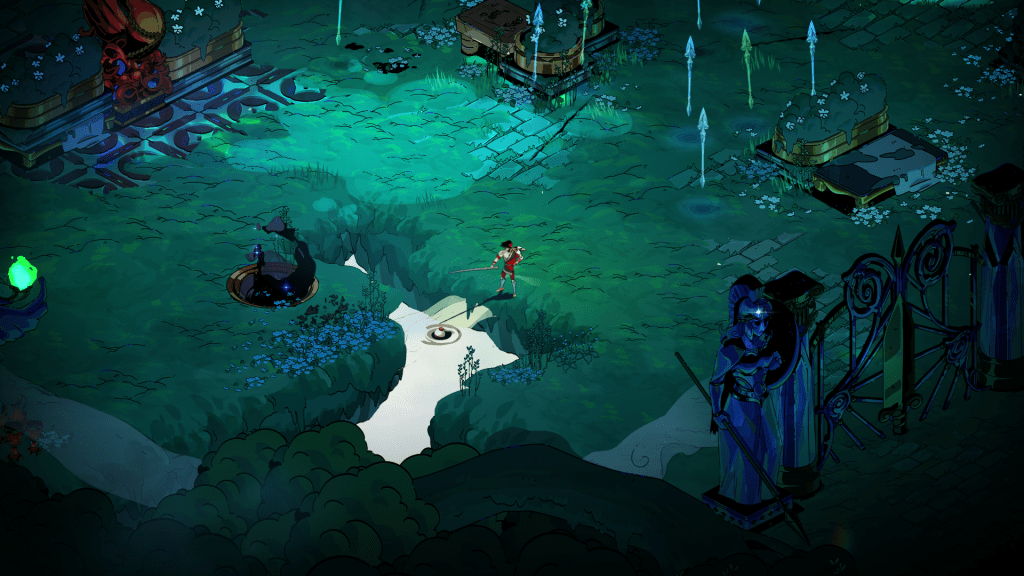
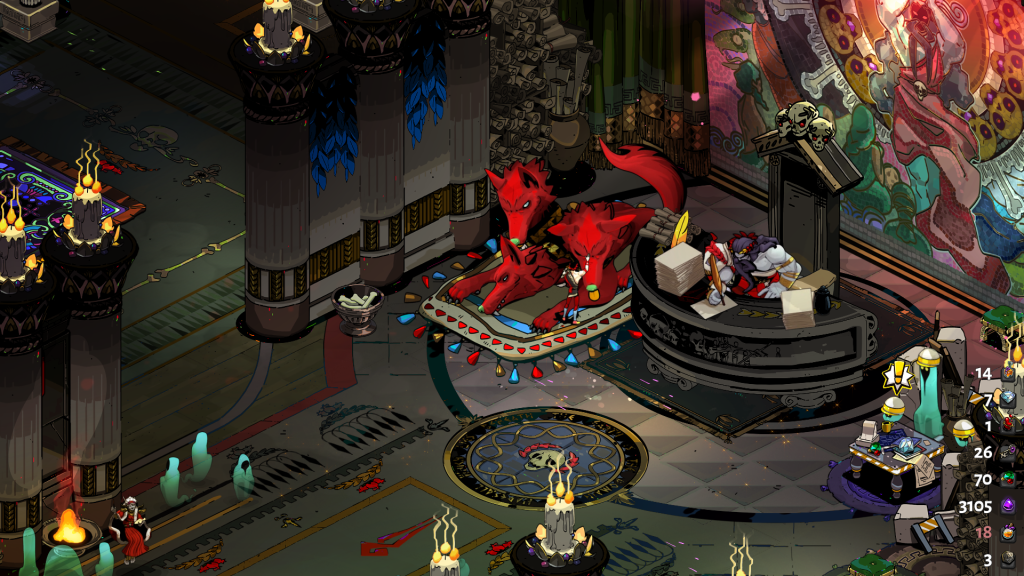
Alright, so Hades is an artistic, stylish rogue-lite based in Greek Mythology. We play as Zagreus – the Son of Hades – and we have one goal. Escaping the underworld. Everytime you die you are transported back home, which makes sense as that is where the majority of the dead end up sooner or later. This alone is such a fantastic concept. I love when game mechanics are tied to the story and I can think of no better set up for a rouge-lite. Throughout our escape attempts, our family on Olympus will offer us aid in the form of boons and this is where the classic roguelike gameplay factors in. Different perks combine in different ways to allow a variety of playstyles. Throughout our escape attempts – and eventually escapes – we get more and more story, be it characterisation of the gods, or directly talking to everyone back home. We also get more and more mechanics, including weapons to shake up your playstyle and difficulty modifiers, for better or worse. The best part of this set up is that death doesn’t always feel bad. In fact, sometimes I wanted a death just so that I could go back to the house and see what everyone was up to.
+ Aesthetics
At first, when I had only seen others play and not played myself, I didn’t love the aesthetics. Everyone was raving about them but I didn’t really get it until I tried it myself. You would think that the staple colours of red and green would shout Christmas. But they dont. Instead they evoke this regal hell. Rather than a festive cheer, it feels expensive and strict, yet also has a sense of home. The music is so good, everytime I start a run my head has to bob, it is perfect to hype you up for the challenge ahead. There is also diegetic music that is appropriately beautiful and evolves in fun ways as you go. The art in both the portraits of the characters and the movement itself is quite busy, but so unique. When things are busy sometimes my senses freeze up, but once I got used to it I really enjoyed looking at the details put into the characters. Then somehow everything also looks great when it moves. Overall, they took a premise that is already fantastic on its own, but then executed it so stylishly that it oozes personality.
+ The Voices/Dialogue
Before I was familiar with the game I heard a lot of praise for the voice acting. This was another thing that I didn’t really ‘get’ when I started playing myself. I don’t find them traditionally ‘good’. I do find them very stylised in a way that once I got used to it, I loved. As an example, lots of lines are read very quickly and don’t seem to pause in places that you would usually pause. Or there would be no gap between sentences. It felt very unnatural to me for a while, but in the end I feel like it becomes a defining factor in the style of the game. What I do love about the voices are the effects that are used on them. Some of the characters in the game are even beyond gods, and the audio designers did a fantastic job of creating ethereal effects that really characterise the way they speak. This, on top of the fun dialogue and the beautiful art, creates these very evocative and memorable characters, even if we do only meet them one line at a time. There is also so much dialogue. It will be a long time before you hear anything repeated. It is very impressive and a great hook to keep you coming back for more.
+ The Family Dynamics
Family drama is something that can be hit or miss. In real life, it SUCKS. But when that family are Greek Gods? There is something very enticing to be involved in the dynamics of these extremely powerful, extremely temperamental folk. I don’t know much about mythology in general, but I do know a lot of these characters are known for being petty, dishing out punishments, holding grudges etc. I do also believe they know how to have a good time. So having these colourful characters as our uncles and cousins and such was a rush. I didn’t trust them at all, but they so were fun to interact with. The family dynamics in the house are great too and you get to know more as you progress through the game. I really started to care and as dysfunctional as it is, some qualities shine through that you root for.
– The Difficulty Curve
Moving onto the gameplay itself, it is a very mixed bag for me. I am not that experienced with roguelikes but I do know that the more you play, the better you get. You learn the game and you improve. I did enjoy the process in the beginning, however there are certain blocks that felt like a huge wall to me. I managed to overcome some of them, but that doesnt stop them from becoming tedious. Without spoiling too much, the third area enemies often have a lot of armour and can respawn. It would sometimes take me minutes to complete a room. It was frustrating and boring. That might not sound like much but when you have been flying through the first area it feels like molasses. The same thing goes for bosses beyond the second area, I just don’t enjoy them. Thankfully, with every run you are collecting darkness and other items which you can use to upgrade your character. For me though, the satisfaction of coming back upgraded and getting further does not overcome the frustration of the halt of progress in the first place. (This may sound like I just don’t like rogue-lites. The only real point of reference I have is The Binding of Isaac, and I feel like that game moves a lot faster while also having more to think about, so there is less time to be bored). It is not a good feeling when over half of a run feels like a slog and I sometimes feel like throwing it because I can’t be bothered with the boss.
+ God Mode
God Mode is genius and I thank the Devs so much for including it. If you are playing for the story rather than the challenge, God Mode is an optional setting that can progressively make the game easier until it balances out at your level. Every time you die, you will gain a bonus to your damage reduction stat. Meaning enemies will hurt you less. You can turn this on or off at any time and it was a life saver for me. I played the game without it until I got my first clear. To get to credits you need 10 clears. I kept playing and playing but I wasn’t getting any more clears. Then the tedium mentioned above set in. I decided to turn on God Mode and it was the best decision I made. Two clears in a row and my enthusiasm for the game was back. After dying a few more times I reached the correct difficulty for me and got an 8 win streak. These weren’t easy wins either, it was just right that it was down to the wire most times. I urge you that if you are finding it tedious, getting bored, or doing a collect-a-thon, use God Mode. I certainly wouldn’t have got as far as I did without it.
+/- The Pacing
In a game with two distinct sections (gameplay during runs then story time and upgrading between) it was always going to be hard to pace it well. For a lot of people, the story sections ruin the pace of the gameplay. They are ready to jump straight back in but have to go around talking to everyone, breaking their momentum. For me, it was the other way around and play almost felt too long. I wanted to be back at the house for the next story beats and to upgrade my stuff. Based on those two types of players, I don’t really see how they could have a middle ground. It is not detrimental to the game, but it is a common complaint that I have heard and felt myself occasionally, even if it is opposite ends of a spectrum.
+ Other Objectives
There is a lot more to do than just clearing runs. These aren’t things that you have to do but are an option if you need something other than combat like I do. Some characters have side quests that you progress by gifting them items between runs. You can improve relationships, unlocking new dialogue and scenes. Then there are the Boons. If you are a compulsive list taker like me, collecting every Boon is so much fun. Some Boons require you to have other Boons first, and navigating that was a game that I enjoyed more than getting clears. I have officially collected them all and really enjoyed doing so. By the end, every fated choice (one you havent picked up yet) received a celebratory fist bump from me. There are also heat levels that you can unlock to make the game more difficult if you are so inclined. All of these things provide rewards that you can either put towards improving more runs, or buying house fashion.
I hope that if anything, this review shows that Hades can be enjoyed by many different types of people. It is very accessible as a first foray into the genre, while equally providing a new challenge for the genre savvy. While I don’t think it is a perfect game, I do believe it deserved all of the love, praise and awards it recieved. By the end, the game was leaving Game Pass so I was rushing to complete everything that I wanted to. I really don’t think this is the way to play. Chipping away with a few runs here and there after the initial addiction keeps the runs more palatable in my opinion. You can definitely have too much of a good thing! Having said that, it has provided me with many hours of entertainment and I will think back on it very fondly.
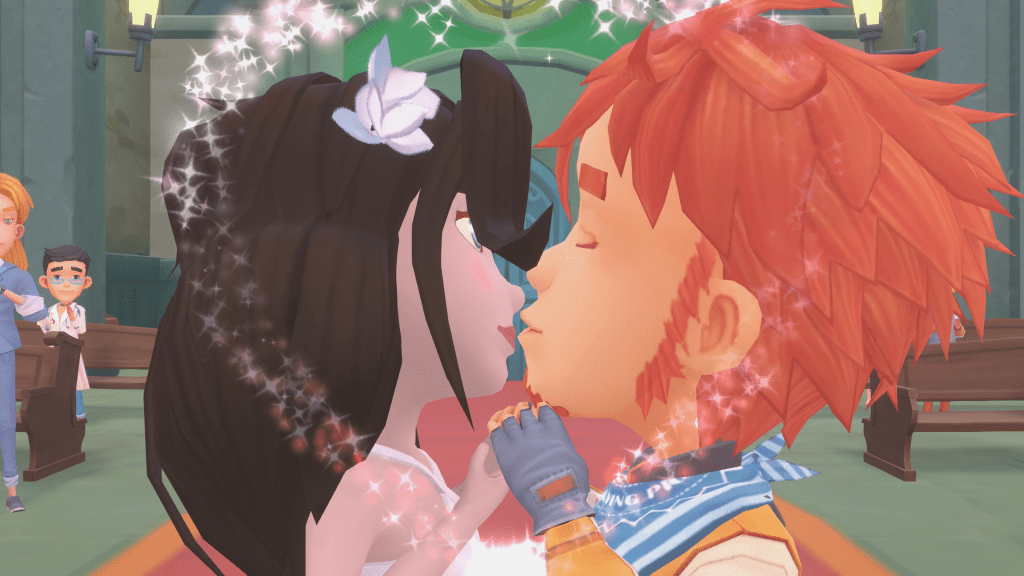
My Time at Portia is a game with many flaws, but if you can look past them then it can be an absolute delight. I feel like Portia is ideal for the people who love Stardew Valley/Harvest Moon type games but find the farming tedious after a while. These aren’t the only type of people who might enjoy this game, but if that resonates with you then it could be worth a shot! Not only through the first few hours but throughout my entire playthrough, I was constantly surprised, confused and amused by the stuff I would find and the things that would happen, leading to the affectionate nickname of ‘My Weird Time at Portia’.
– Doesn’t know what it wants to be
When I first started playing My Time at Portia, I got the sense that it didn’t know what it wanted to be. Games like Stardew Valley have a lot to do. You can farm, craft, cook, mine, forage, fish, create relationships. I feel that all of these things are key to the slice-of-life farm sim genre that these games are part of, which is already quite a lot of things to do. Portia is similar in that sense, except, add a main story, side quests left right and centre, dungeon crawling, named boss fights, a full on skill tree with three entirely seperate sections to go down, a photo menu, a workshop manual, a research system, a fluctuating economy, social mini games, regular mini games, festival mini games. It is a lot, and for a while the main thought going through my head was ‘What on earth is this game’.
+ Something for everyone
Though the absolute muddle of things to do and potentially overwhelming vibes this game gives out, the bright side is there is probably something for everyone. If you are like me and enjoy the systematic collection of things and ticking things off lists, you can do that. If you like making friends with everyone in town, you can do that. If you like spending your time decorating your home rather than completing commissions, you can do that. If you like dungeon crawling and fighting for loot.. I can’t say that I recommend it but it is there. More on that later!
– The jank
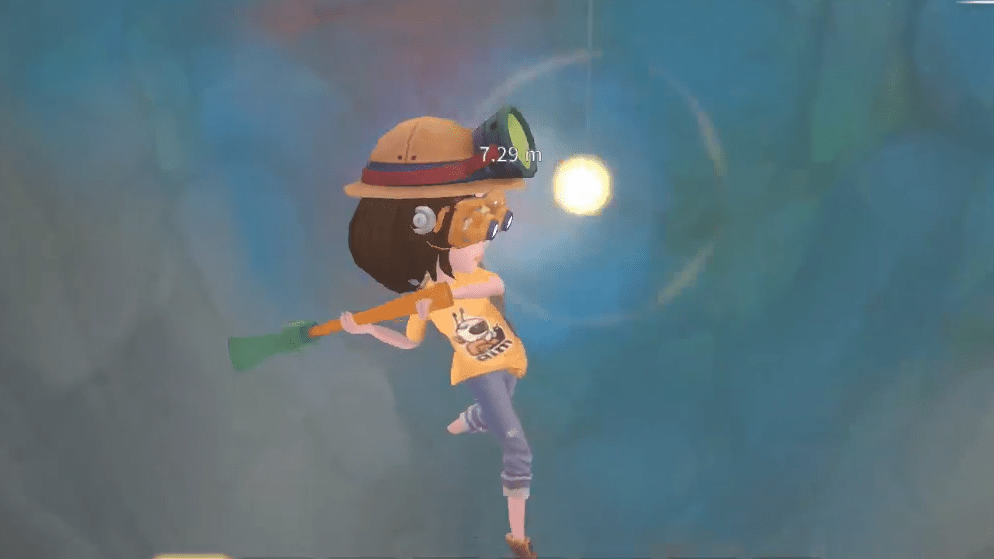
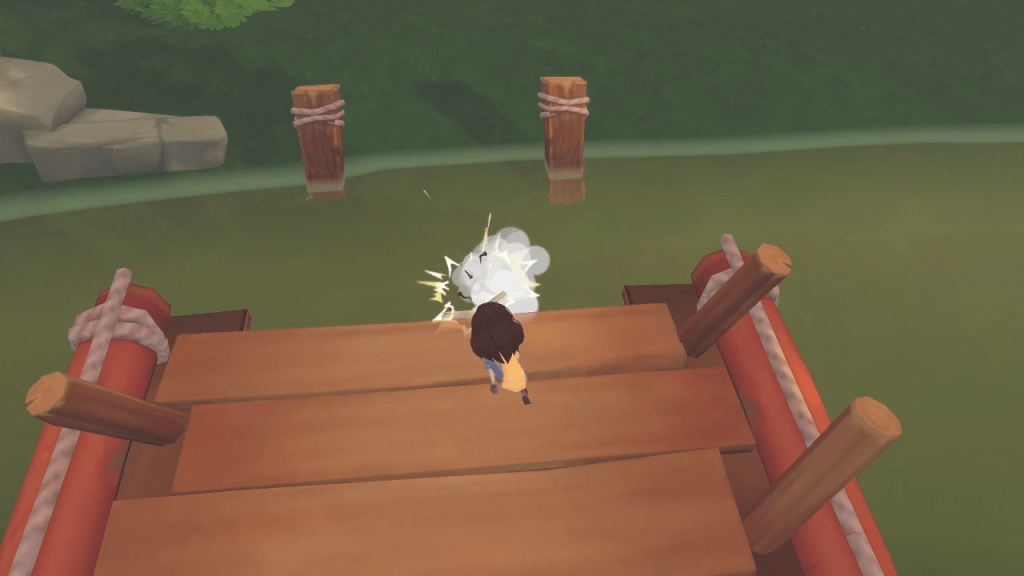
Before you even think about playing this game there is something that you have to accept. This game is Janky. And I mean Janky. Sometimes characters speak out loud, sometimes they dont, when they do it is generally awful. Sometimes they will say the right words, sometimes they will say something entirely different, sometimes they won’t actually be there while they are talking. Sometimes the camera will focus on weird things. NPCs are constantly stuck on the environment and will occasionally teleport. Photo quests break often. Mounts become unmountable. The game does a lot and generally it works, but with love, I do have to say that it can be quite a mess.
+ The jank
On the other hand, if this game didn’t have its Jank then I don’t think it would be half as memorable than if it were perfect and smooth. If you have a mount they are going to be running around in the background of every cutscene. When you get past how awful some of the cutscenes are they become hilarious and you look forward to the next one. When creating my character I couldn’t figure out how to change her name on console so she ended up being Linda. I gave her some pink cheeks that looked nice in the character creation menu. As soon as we got into the game though, it turns out those pink cheeks basically glow. Every day in game, something in the world is going wrong and it was a constant source of glee for me. A lot of the Jank is graphical or in the animations, and they can be the best.
– The combat
Okay… if there is something that I have to give my biggest criticism in this game, it is the combat. I don’t enjoy combat at the best of times but I can usually appreciate it if done well. It isn’t the end of the world since this game isn’t about combat, but you have to do it often enough that it can become frustrating and tedious. There is no feedback, or at least it tries to give you feedback through visual effects, which in the end just feel like a mess on the screen. I genuinely cannot tell when I am getting hit. There are numbers popping up but there is no feeling to it at all. Sometimes you can hit through or be hit through walls. Sometimes the enemy ends up in the air and doesn’t come back to the ground. Timing doesn’t feel like it matters much and when it does it can be frustrating. Hit boxes are hit and miss. AI companions will run at enemies and agro them when you are trying to draw them out one at a time. Thankfully, if you die during a boss fight you will respawn without their health being replenished. This is a mercy that I am grateful for, but it almost feels like confirmation of an awareness that the combat isn’t the best. Throughout the main story you will be put into multiple combat scenarios. As long as you keep plenty of health replenishing items in your inventory then you can tank your way through without too much pain. It can be a huge drag though.
+ Low stakes
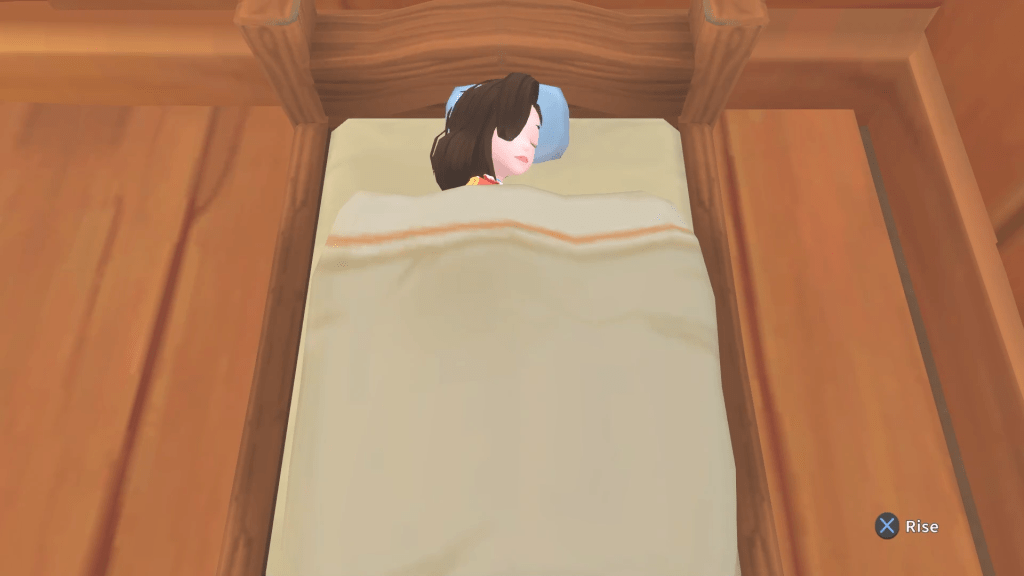
I think what I love the most about this game are the low stakes. Sure, there are optimal ways to play and you can min/max if that is how you like to do it. But if not, there aren’t really any punishments for going slow. The only things that are timed are daily commissions (which you can choose to do) and very few quests/side quests. Other than that.. go nuts. Fancy spending an entire week in the mines? Go for it. As long as you have set your machines away there is really no reason to come home at night, so you can pass out at 3am doing whatever you were doing and wake up with full stamina the next day without losing anything. This all makes it really easy to pick this game back up even if you haven’t played for a month. I really appreciate it when I compare it to say, Stardew Valley, where I don’t want to boot up my game without my notebook in hand because I need to stick to my plan.
+ Crafting
I believe Crafting is a really clever way to solve the problem that I mentioned in the intro. By the end, I usually find farming really tedious in these games. Having to water everything every day, plant them at the right time, harvest and replant, then if you miss the window you have to wait an entire year. I always pray for rainy days so that I can go and do other things. Instead, in this game you have to gather materials and process them, to then craft them into different items. Different materials can be processed in different ways, so it is up to you to manage what you have, what you need, and that is the loop rather than plant, water, harvest, repeat. It is much more flexible and, for me at least, enjoyable.
+ Progression
The fact that I already enjoy the crafting is doubled when paired with progression in this game. Throughout the main story you will get many different commissions to help make the city a better place. If there is something I love in a game, it is an environment that evolves over time. Not only does Portia do that, but it only does so thanks to your efforts. Building bridges will allow you to access new areas. Building busses will unlock fast travel. You will build buildings and areas that from that moment onwards will be a permanent part of the town. It never stops being satisfying. On top of this, the crafting progression itself also feels nicely done and natural to me. Once you are able to build everything available, you know that you will then need to upgrade your equiptment to unlock more options. If you have options available that you dont yet have the materials to build, you know that your next quests are going to unlock an area that allows you to access new resources. It is a cycle that repeats throughout the game and works very well.
+/- Relationships
I don’t really know where to place relationships here. There are things I really like and things that I really dislike about them. On the positive side, relationships bloom themselves as you progress through the story, which I think is very naturally done. As you help improve the town, the townsfolk will like you more. As you do commissions for individuals they will like you even more. Then as you grow relationships with them you will start to get cute little side quests which I found to be a nice touch. Becoming friends with certain vendors will get you discounts, and you will occasionally receive gifts from your buddies.
The relationship system is let down in two ways in my opinion. Firstly, I don’t think it’s very fun. There is the traditional system of giving the person daily gifts that they like which isn’t bad, but it isn’t great. Then there are some more unique systems, most of which didn’t land for me. Some characters have their own minigames you can play, some can spar (see combat above to explain why this doesn’t hit) and once you become their friend you can go on playdates (or proper dates if you are romancing). After I had done two dates I was already bored of the system and just wanted go back to old fashioned gift giving. Secondly, when it comes to romance, I don’t feel like there are many good options, specifically for husbands. I didn’t really want to marry anyone. Six of the options are identical. Having kids is as far as you can go down the family route and they don’t grow up from being a toddler. So relationships in general in this game are a really mixed bag for me.
+ Attention to detail
The attention to detail in this game is great. While some systems feel unnecessary, there are others that add to the overall charm of the game. My favorite thing is that anything you are holding, your character will be holding it in their hand. If it’s big they will carry it over their head. Most accessories that you can wear for stats you can also see on your character. They didn’t have to do these things but it really adds to the experience, and it will always be funny running along carrying a giant poop above your head.
– Navigating crafting
Navigating the crafting systems does not flow well, and while you do get used to it, it could be better (and I believe they may have solved this in the sequel). For example, if you are assembling a big product, having the ingredients in your inventory will not do. They have to be directly in your hand to place them. Eventually you get some automation options but it is so late in the game and unintuitive that I have to mark the game down for it. When I don’t play for a while, the hardest part is reacquainting myself with all my stuff since I need to know where to grab things from.
+/- Festivals
Something else to watch out for in this game are the festivals. Many slice-of-life games have them.. But none of them have them quite like this.
++++ Pinky
And the final positive point of this game, saving the best till last. Pinky.
There are a lot of reasons to like this game and many surprises along the way. As long as you know that you are going into a very imperfect experience and are open to some fun, there is such a good time to be had. If you like what you heard above then you should definitely jump in. If you claim the free games on the Epic store you may already own it, or it is currently on the PS Plus Extra Tier and Xbox Game Pass. The Sequel ‘My Time at Sandrock’ is in Early Access right now so it is the perfect time to jump into the series.
– Doesnt know what it wants to be
+ Something for everyone
– Thejank
+ The jank
– The combat
+ Low stakes
+ Crafting
+ Progression
+/- Relationships
+ Attention to detail
– Navigating crafting
+/- Festivals
+ Pinky
I did stream my first few weeks in Portia, I’ll leave this here in case anyone is in need of misadventures.















![A Noob’s [Mini] Review – Death Trick: Double Blind](https://ctrlaltnoob.com/wp-content/uploads/2024/06/death-trick-double-blind-review.png?w=840)
























 CtrlAltNoob